
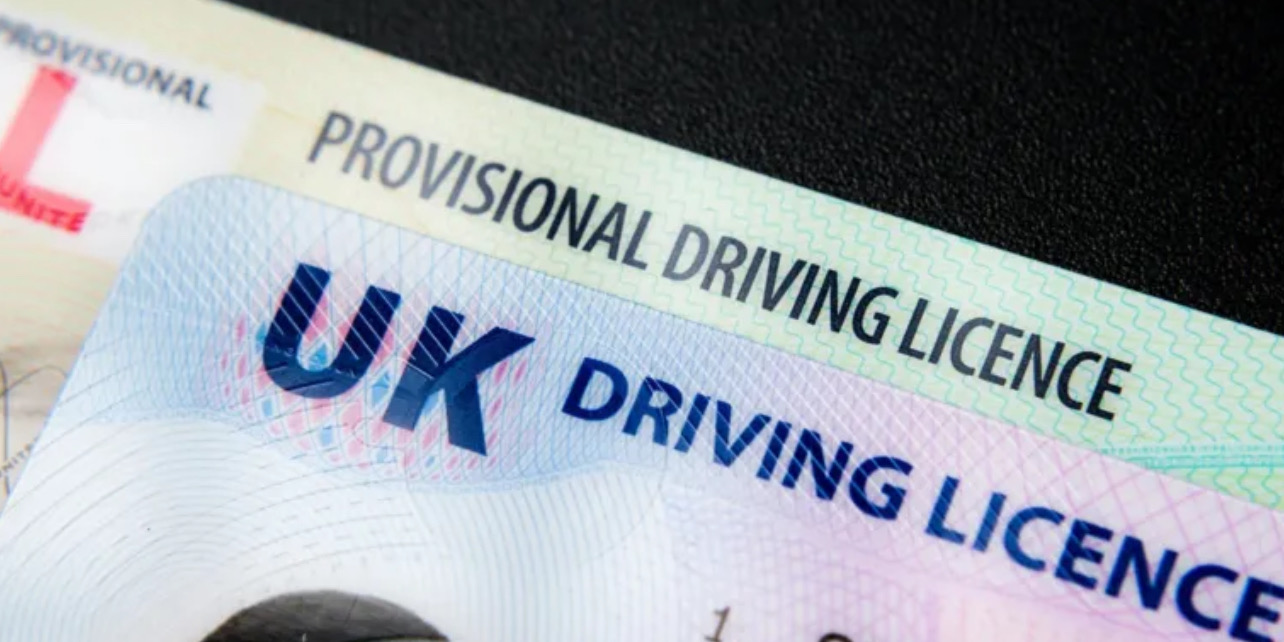
In a significant step towards modernising public services, the UK government has announced the forthcoming launch of digital driving licences.
These licences, accessible through a newly developed government smartphone application, promise to streamline daily activities by potentially serving as valid identification for alcohol purchases, voting procedures, and domestic air travel.
Despite the shift towards digitalisation, physical licences will continue to be available. Government officials are championing this optional digital upgrade as a move to propel governmental operations into the modern era.
A spokesperson for the government highlighted to the BBC the commitment to enhancing public services through technology, stressing that while digital identities may offer enhanced security over traditional forms, their use will not be compulsory.
The forthcoming digital licences, as reported by The Times, could also facilitate age verification at supermarket self-checkouts, enabling a quicker, staff-free process.
Set to be introduced later this year, these licences might also include features that allow users to conceal their home address under certain circumstances, enhancing privacy in settings such as bars and shops.
According to recent figures, there are over 34 million full or provisional driving licence holders in the UK.
The digital version is expected to be part of a “wallet” feature within the new Gov.uk app, which will secure user data similarly to mobile banking applications and include advanced security measures like biometrics and multifactor authentication.
Plans are also in the works to expand the app’s utility by incorporating other government services such as tax filings and benefits claims. There may be further additions like national insurance numbers, although complete replacement of physical IDs with digital ones is not anticipated.
This initiative stops short of establishing a comprehensive digital ID card, a concept previously advocated by political figures such as Sir Tony Blair and Lord William Hague.
Privacy concerns remain paramount, with leading privacy advocates warning of potential significant impacts on personal privacy.
Notably, the UK is not alone in its digital licence journey. Countries like Australia, Denmark, Iceland, Norway, and certain US states have already adopted similar technologies.
The European Union has mandated that all member states must introduce at least one digital ID option by 2026, aligning with a global trend towards digital integration in identity verification.
