
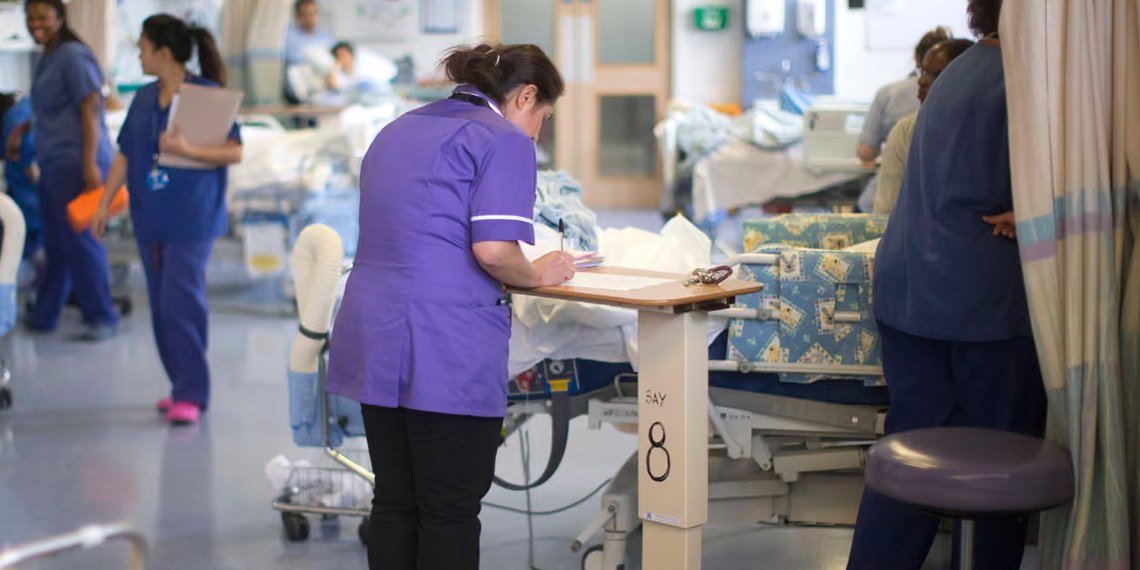
The UK is experiencing a dramatic fall in the number of overseas nurses and midwives entering the workforce, with rising racism and tougher immigration rules cited as key factors behind the decline.
New figures from the Nursing and Midwifery Council (NMC) show that only 6,321 internationally trained nurses and midwives joined the UK register between April and September this year. This is a steep drop from the 12,534 who registered in the same period in 2024. At the same time, increasing numbers of international staff are leaving Britain altogether.
Health experts warn that the shift will place even greater pressure on the NHS, already struggling with chronic staff shortages and long waiting lists. Suzie Bailey, an NHS workforce specialist at the King’s Fund, said: “The dramatic fall in international nurse and midwife recruitment and retention should be sounding alarm bells for politicians, health and care leaders and people who rely on health and care services.”
The decline mirrors similar concerns in the medical profession. A recent report from the General Medical Council revealed that overseas-trained doctors are leaving the UK in record numbers, and the surge in international medical recruits seen in recent years has levelled off.
Unions and NHS staff groups say rising hostility towards migrants and hardline changes to visa rules are driving nurses away. Labour’s decision to double the time foreign workers must wait before applying for indefinite leave to remain – from five years to ten – has been criticised as politically motivated and damaging to recruitment efforts.
Louie Horne, Unison’s national nursing officer, said: “For decades, nurses and midwives from around the world have brought invaluable skills to the NHS. It would be a disaster to lose that contribution to vital services. This exposes the damage being inflicted by the government’s unfair and ill-conceived immigration changes. An urgent rethink to these policies is needed.”
Health Secretary Wes Streeting said last month that NHS workers were facing a resurgence of “ugly” 1970s and 1980s-style racism, adding to concerns that the UK is becoming a less welcoming destination for overseas staff.
The NMC noted that international nurses may also be choosing alternative destinations with higher salaries or more attractive residency pathways. Paul Rees, its chief executive, said: “The high-growth era of international recruitment appears to be ending.”
Between April and September, the number of new registrants from India – historically the NHS’s largest source of overseas nurses – dropped by 58%. The number coming from the Philippines fell by 68%, from Nigeria by 28%, and from Ghana by 9%.
Despite the decline in international recruitment, the overall size of the nursing and midwifery register has risen to a record 860,801. Of these, 96,593 are men – the highest number ever recorded.
