
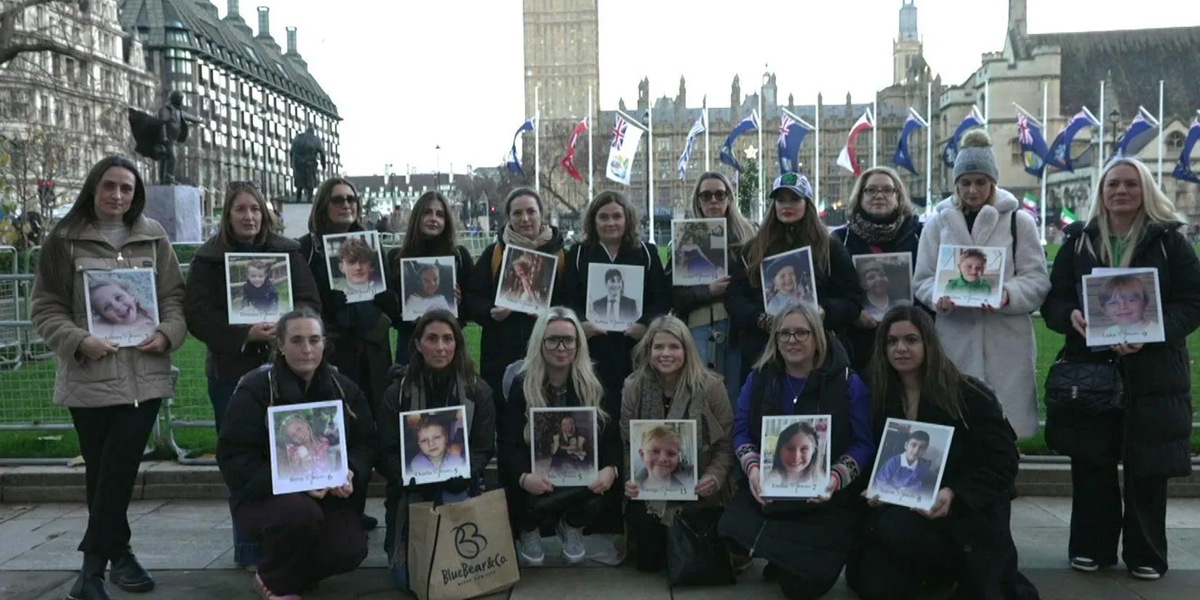
Children diagnosed with brain tumours in the UK are facing stark differences in NHS care depending on where they live, according to a new report that warns of postcode-driven inequalities. The review, carried out by the Tessa Jowell Brain Cancer Mission, found that access to testing, clinical trials, rehabilitation and specialist support can vary dramatically between regions, leaving many families navigating an uneven system at the most vulnerable moment of their lives.
The findings echo long-standing concerns among parents and campaigners who say support for childhood cancer patients remains inconsistent despite repeated calls for national standards. The issue also comes as the NHS continues to face staff shortages, rising diagnostic pressures and ongoing delays in whole genome sequencing, an essential tool for tailoring cancer treatment.
Families warn of postcode differences in life-saving care
One of the voices highlighted in the report is that of Louise Fox, from Barton-le-Clay in Bedfordshire. Her son, George, died in 2022 aged 13 after developing a glioblastoma. She said it had become “heartbreakingly clear” that the level of care a child receives may hinge on their postcode. George, whom she described as a “bright, kind and caring boy who dreamed of becoming an architect”, represents the struggle many families face as they try to secure equal treatment across the country.
The review found significant gaps in the paediatric neuro-oncology pathway, including delays in genetic testing and limited availability of whole genome sequencing. These challenges often determine how quickly treatment plans can be personalised, a critical factor in outcomes for aggressive brain tumours.
Shortages in specialist staff and uneven education support
The report notes that some specialist centres face shortages of rehabilitation staff, while children living far from major hospitals often struggle to access core services. Only half of young patients were found to have access to play specialists, and educational support was described as inconsistent. These disparities, according to the authors, also extend to clinical trials, with many children unable to join research programmes if they live too far from large academic centres.
Campaigners argue that this inequality not only limits treatment options but also removes opportunities for children to access the newest therapies being tested in the UK.
Campaigners push for reform as charity launches national road map
The Tessa Jowell Brain Cancer Mission, named after former Labour cabinet minister Dame Tessa Jowell who died from a brain tumour in 2018, said geographical location should never determine the quality of a child’s care. On Tuesday, a group of bereaved mothers walked from Westminster to Great Ormond Street Hospital to honour their children and raise money for the mission.
Nicky Huskens, the mission’s chief executive, said the study shows that living in a city or rural area can influence the treatment children receive. She stressed that postcode should not decide access to high-quality medical support. Huskens added that many centres are already introducing targeted improvements, and the organisation has issued a national “road map” calling for urgent upgrades in testing, staffing, rehabilitation and trial access to ensure equal care for all children.
The report arrives at a time when paediatric cancer services are under increasing scrutiny, with NHS England facing pressure to expand diagnostic capacity and reduce regional divides in specialist care.
