
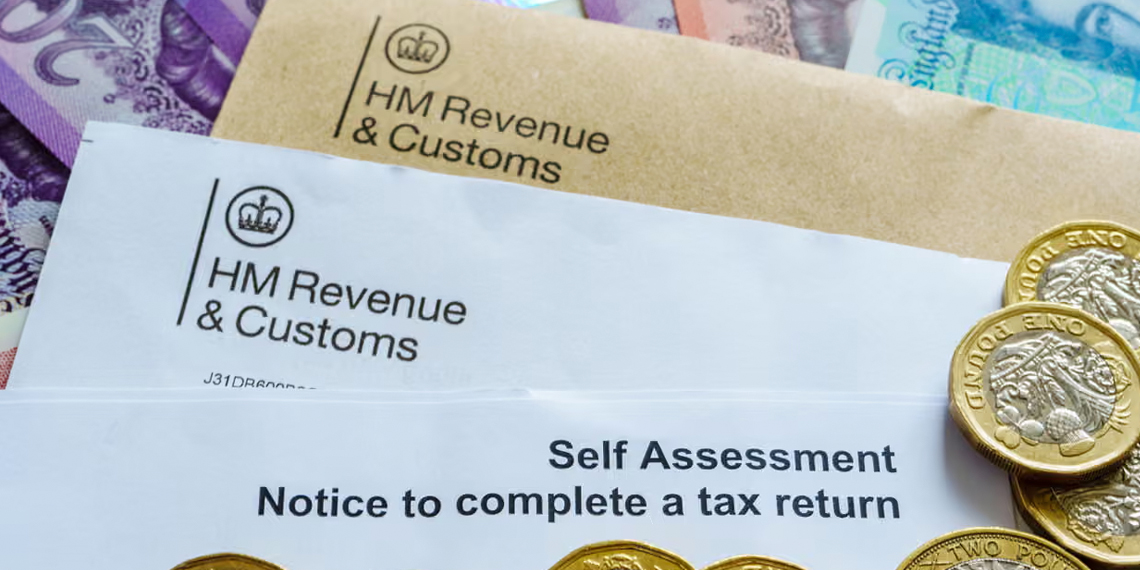
Rachel Reeves’ decision to extend the freeze on income tax thresholds for a further three years will hit poorer households harder than wealthier ones, two leading thinktanks have warned.
The measure, announced in Wednesday’s Budget, is expected to pull millions more workers into paying tax or into higher tax bands, despite Labour pledging not to raise headline tax rates.
The Resolution Foundation said that extending the freeze on income tax thresholds to 2031 would significantly damage living standards for those in the bottom half of the income scale. More than 1.7 million workers are now expected either to pay tax for the first time or to move into a higher bracket because both income tax and national insurance thresholds will remain frozen. Reeves admitted that the policy would affect “working people” but denied breaching Labour’s manifesto commitments, saying the move would raise £12.4bn by 2030-31.
Ruth Curtice, chief executive of the Resolution Foundation, argued that Reeves should have opted for a rise in income tax rates instead of freezing thresholds. She said this alternative approach “would have affected all households, but generated more cash for the Treasury from the better off.”
She added: “The manifesto tax pledge has cost working people. Having previously hinted at raising income tax rates, the chancellor chose instead to freeze personal tax thresholds for three more years.”
Curtice said that a 1p rise in income tax would have raised a similar amount of revenue but been “less costly than freezing thresholds for anyone with an income below £35,000.”
She warned that “all but the top 10% of the income distribution are worse off because of opting for threshold freezes over rate rises,” adding that “ironically, sticking to her manifesto tax pledge has cost millions of low-to-middle earners.”
Last month, Reeves suggested she might break Labour’s pledge not to raise income tax, national insurance or VAT, after the Resolution Foundation proposed a 2p rise in income tax offset by a 2p cut to national insurance — a combination that would have left only those earning above £50,000 worse off. However, she later abandoned the idea and instead chose to continue with threshold freezes.
The National Institute of Economic and Social Research (NIESR) echoed the concerns, saying the Budget “lacks economic vision” and warning that freezing income tax thresholds until 2030 “will fall disproportionately on the bottom half of the income distribution.” In its Budget review, NIESR said the government’s decision to increase its financial buffer from £10bn to £22bn had reassured financial markets but left Reeves with limited room to stimulate economic growth.
NIESR said the Budget “locks in a high-tax, high-debt steady state in a world of low productivity growth and higher interest rates,” raising concerns about long-term prospects for the economy.
The Resolution Foundation said Reeves delivered “a far more upbeat budget than many were expecting, with significant cost-of-living support and sensible, progressive measures that reduce some of the distortions in the tax system.” However, it stressed that the Budget “was far from pain-free, with major tax rises and cuts to public services coming down the line.”
It also challenged Reeves’ claim that government departments would avoid real-terms cuts, pointing out that planned spending levels in the later years of the parliament would be close to the austerity-era reductions under former chancellor George Osborne.
The thinktank warned that the combination of commitments to protect health, defence and school funding would leave “£6.4bn of cuts to other departments like the Home Office, justice and local government.” It said these cuts would represent “88% of the average annual cuts made during the austerity years – 2009-10 to 2018-19.”
