
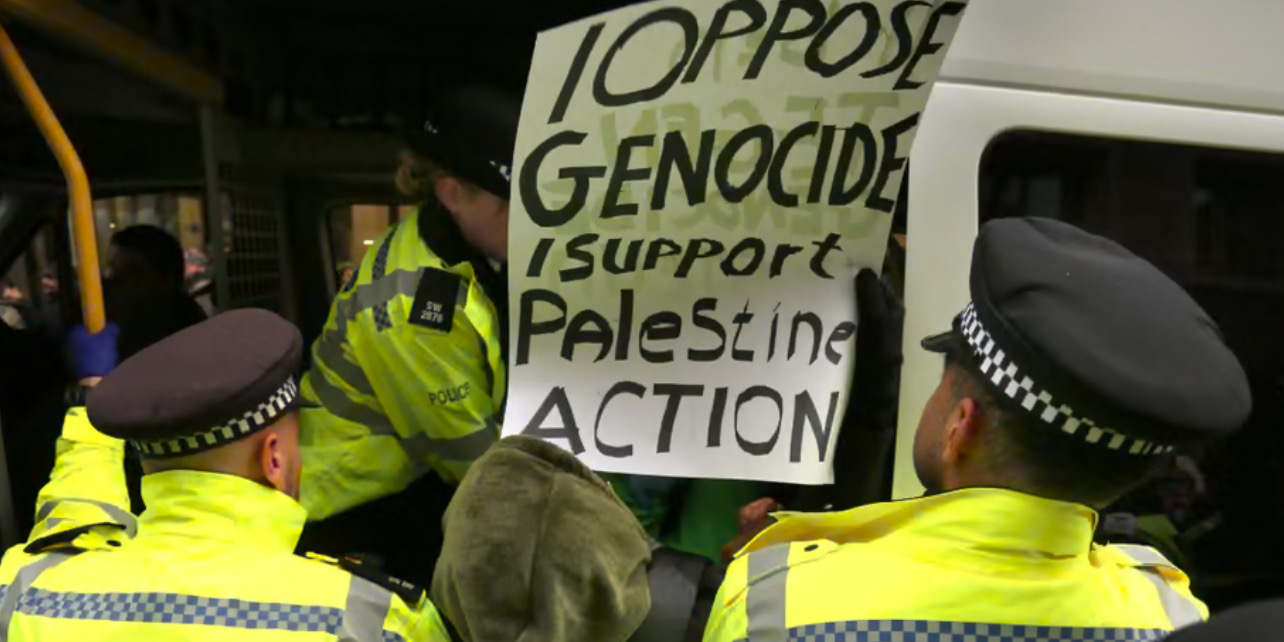
A senior member of the Home Office’s homeland security group has warned that the government’s decision to proscribe Palestine Action may overwhelm the Prevent programme and increase the risk of people being wrongly criminalised.
The official, who works closely with Prevent and requested anonymity, said the ban has already led to confusion across counter-terrorism policing, education, healthcare, and local authorities.
Palestine Action was officially proscribed on 5 July, making membership of – or support for – the organisation a criminal offence under the Terrorism Act. The official expressed concern that individuals engaged in general advocacy for Palestine, but not aligned with Palestine Action, may be incorrectly labelled as extremist, while others who express sympathy for the group could be referred to Prevent despite posing no threat.
They noted: “I’m concerned about a surge in referrals to the Prevent system that might have a link to Palestine advocacy in light of the fact that this very high profile group is now proscribed, and the confusion there might be on the frontline in schools and healthcare settings and all the other places that are expected to make Prevent referrals.”
Senior counter-terrorism officers have reportedly flagged similar problems, with confusion emerging over whether certain cases warrant referral to Prevent. The official said they were aware of testimonies from local Prevent leads voicing concern about the impact of the ban on their areas and on frontline decision-making.
Prevent places a statutory duty on specified authorities, including schools, the NHS, and local councils, to report concerns about individuals who may be vulnerable to radicalisation. Newly released figures show referrals to Prevent rose by 27% in the year to March 2025, reaching the highest level since records began.
The official warned that Prevent could be “overwhelmed” at a time when it is already under “unprecedented” pressure following the Southport attacks and a rise in cases involving individuals fascinated by violence but lacking a defined terrorist ideology.
They added: “We have already seen police officers, let alone frontline Prevent practitioners, mistakenly arrest or interfere with people for supporting Palestine, not supporting Palestine Action.” They cautioned that the criminalisation of support for Palestine Action could make Prevent an “unwitting sort of gateway” through which people, particularly young people unaware of the legal implications, are wrongly criminalised.
Similar concerns were raised in the House of Lords before the ban was enacted. Independent Prevent reviewer David Anderson KC warned that proscription would mean “anyone who is young and foolish enough to say that its heart is in the right place, or that the government should listen to it, is committing a very serious offence for which they could be prosecuted, convicted and imprisoned as a terrorist”.
The Homeland Security official said they feared the ban had further damaged confidence in the government’s counter-terrorism work. “The proscription has damaged trust in the government more widely and Prevent specifically – so potentially eroding Prevent’s effectiveness to tackle the real issues even further,” they said.
A Home Office spokesperson responded: “We do not comment on anonymous briefings. Supporting Palestine is not the same as supporting a proscribed terrorist organisation. There are many lawful ways to express support for Palestinian rights and sovereignty without being a member of, or associated with, this harmful group.”
