
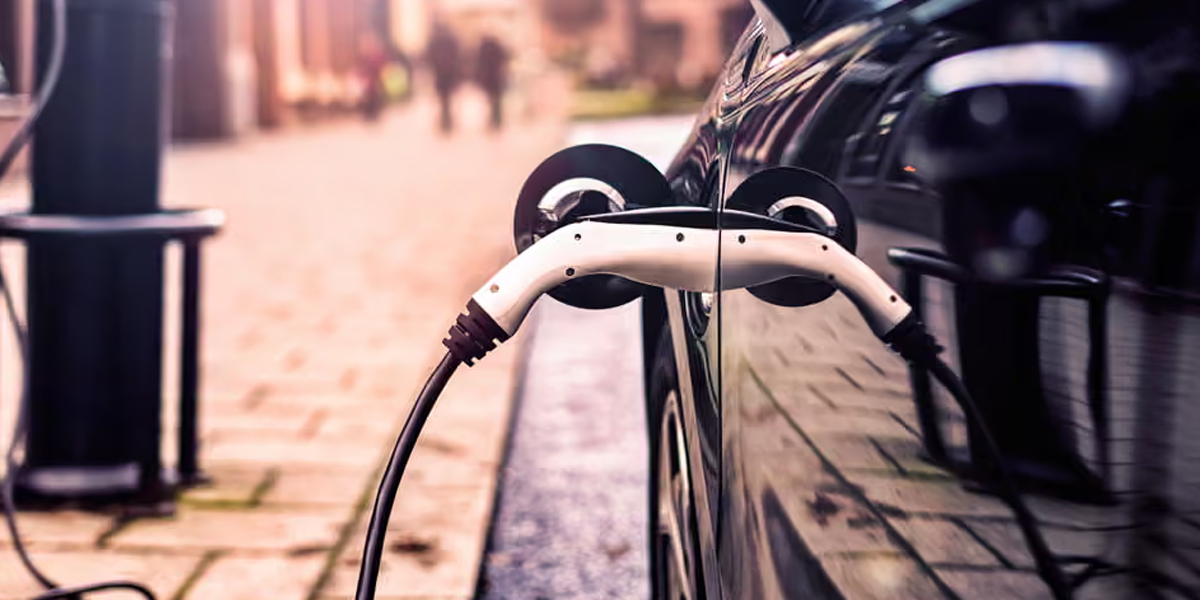
Ford UK has urged Chancellor Rachel Reeves not to introduce new taxes on electric vehicles in next week’s Budget, warning that any additional costs could discourage drivers from switching from petrol and diesel. Lisa Brankin, Managing Director of Ford UK, said it was “certainly not the right time” to consider extra levies on electric vehicles, amid reports the Treasury is reviewing plans for a pay-per-mile charge on EVs from 2028.
Under proposals being examined, drivers of electric cars could face a 3p-per-mile charge to help replace revenue lost as petrol and diesel sales decline. This would be on top of road duty changes already scheduled for the coming years. Speaking to the BBC, Brankin warned that such measures risk slowing the UK’s progress at a moment when EV demand is “really fragile”.
Concerns Over EV Demand and Market Instability
Brankin said the EV market had become increasingly volatile, with many manufacturers forced to discount heavily and second-hand electric vehicles losing value much faster than expected. “Electric vehicles in some instances have gone from being a great thing to being something that we’re trying to push people into,” she said, warning that further taxation could deepen consumer uncertainty.
Ford, which builds the UK’s bestselling model—the Ford Puma—is among the companies required to meet the government’s Zero Emission Vehicle (ZEV) mandate, which requires 80% of new car sales to be electric by 2030. Carmakers have repeatedly raised concerns about failing to reach this target without stronger and more predictable government support.
Government Brought Back EV Grants After Industry Pressure
In July, ministers reinstated an electric car grant worth up to £3,750 after intense lobbying from major manufacturers. Since then, electric car sales have surged, hitting record levels throughout the summer and autumn. Brankin said these grants were essential and acknowledged that Ford would struggle to meet the 2030 targets without ongoing financial incentives.
She said the market was “distorted” by deep discounting and supply-chain pressures, adding that consumer demand today does not match the optimism that existed when the 2030 goals were originally set. “It’s really easy to sell people things they want. It’s hard to sell people things they don’t want,” she added.
Calls to Maintain Company Car Tax Incentives
A significant share of EV sales in the UK is driven by businesses offering electric company cars, which currently benefit from lower taxation than petrol or diesel alternatives. Brankin urged the Chancellor to retain these incentives, saying they were crucial for companies attempting to “green” their fleets and accelerate the transition to low-emission travel.
Ford’s UK Operations and the Future of Dagenham
Ford employs around 6,000 people across the UK, including at its diesel engine plant in Dagenham, which will continue producing diesel engines until 2030. Brankin said no decisions had been made about the long-term future of the plant. “We’re working really hard on what the next life of Dagenham looks like,” she said, adding that discussions were ongoing.
Treasury Responds: “We Need a Fairer System”
A Treasury spokesperson said the government must find a sustainable way to replace lost fuel duty revenue while still supporting the transition to EVs. “Fuel duty covers petrol and diesel, but there’s no equivalent for electric vehicles. We want a fairer system for all drivers whilst backing the transition to electric vehicles,” the spokesperson said.
The government has invested £4 billion in EV support measures, including grants to reduce upfront costs by as much as £3,750 per eligible vehicle. The Treasury added that ministers will continue exploring options to make EV ownership more convenient and affordable, even as they review long-term taxation models.
Growing Tension Between Industry and Government
The warning from Ford comes as UK carmakers face tighter regulatory deadlines under the ZEV mandate. In recent months, several manufacturers—including Stellantis, Nissan and BMW—have publicly pressed the government to maintain or expand incentives amid slowing consumer enthusiasm. Meanwhile, the Treasury is under pressure to address a growing tax shortfall caused by declining petrol and diesel sales.
The Chancellor’s first full Budget is widely expected to address EV taxation, road funding, and long-term plans for Britain’s net-zero transition.
