
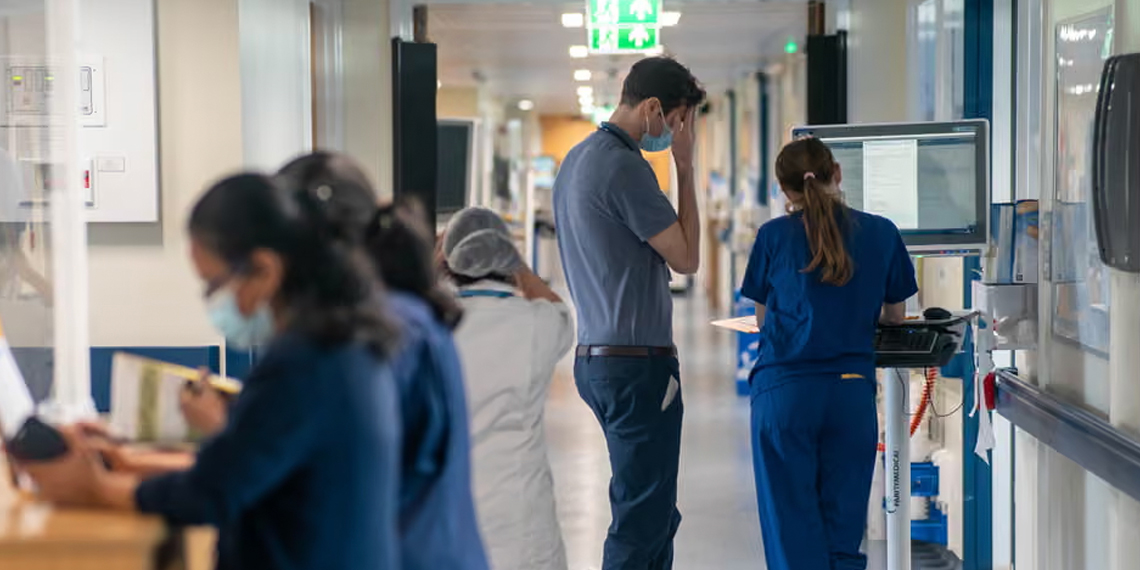
A growing number of nurses across the UK are working while unwell amid chronic understaffing and rising stress levels, according to major new research from the Royal College of Nursing (RCN). The survey, which gathered responses from more than 20,000 nursing staff, found that 66% had worked when they should have taken sick leave, a dramatic jump from 49% in 2017.
The findings reveal a deepening crisis inside the National Health Service (NHS), where persistent vacancies, excessive workloads and burnout have pushed staff to breaking point. Data shows that the NHS in England alone currently has over 25,000 nursing vacancies, contributing to widespread pressure on frontline workers.
Stress Identified as the Leading Cause of Ill Health Among Nurses
The survey found that 65% of staff cited stress as their biggest cause of illness, up sharply from 50% in 2017. Seven in ten nurses said they had worked more hours than they were contracted for at least once a week, and over half (52%) reported doing so unpaid.
Prof Nicola Ranger, the RCN’s chief executive and general secretary, said nursing staff were being pushed into ill health by “understaffed and under-resourced services”.
She added that nurses are regularly faced with the “impossible task” of caring for dozens—sometimes even more than a hundred—patients at a time. “The reality is they’re not breaking; many are already broken,” she warned.
Ranger stressed that these results provide “cold, hard evidence” of a workforce stretched beyond safe limits. She called for urgent investment in staffing and resources to ensure safe working conditions and improved patient care.
Burnout, Panic Attacks and Nightmares Reported by Staff
The RCN revealed it receives around six calls per day from nurses reporting dangerous staffing shortages, burnout, anxiety and deteriorating mental health. The union estimates it will receive 2,175 staffing-related distress calls by the end of 2025, up from 1,837 recorded last year.
The survey included deeply personal accounts of nurses who feel trapped in unsafe work environments. One NHS nurse in England said they had developed a chronic stress-related illness but felt unable to leave due to severe understaffing. Another nurse working in an independent care home described “dreading going to work knowing we’d be short-staffed” and routinely having to work unpaid hours just to finish essential tasks.
NHS and Government Respond With Promises of Support
An NHS spokesperson acknowledged the pressure nurses are under, emphasising that they “work hard every day to look after our patients” and that more must be done to tackle burnout. The NHS highlighted initiatives such as the expansion of professional nurse advocates and the graduate guarantee, which helps newly qualified nurses and midwives secure employment while easing pressure on the frontline.
A Department of Health and Social Care spokesperson said the government “hugely values the work of talented nurses” and pointed to the long-term workforce reforms included in its 10-year health plan. They added that the new graduate guarantee aims to make it easier for newly qualified staff to access roles, reducing pressure on overstretched teams.
Long-Standing Staffing Crisis Shows No Signs of Easing
The UK has faced persistent nursing shortages for more than a decade, worsened by Brexit’s impact on recruitment, the COVID-19 pandemic, and years of underinvestment. Last year’s industrial action—some of the largest in NHS history—highlighted demands for better pay, safer staffing levels and improved working conditions.
Although recent government initiatives have attempted to improve recruitment, retention remains a major challenge, with thousands leaving the profession due to exhaustion, poor pay and unsafe workloads. The latest RCN survey reinforces concerns that without immediate and meaningful investment, the NHS will continue to lose vital staff, further intensifying the crisis.
