
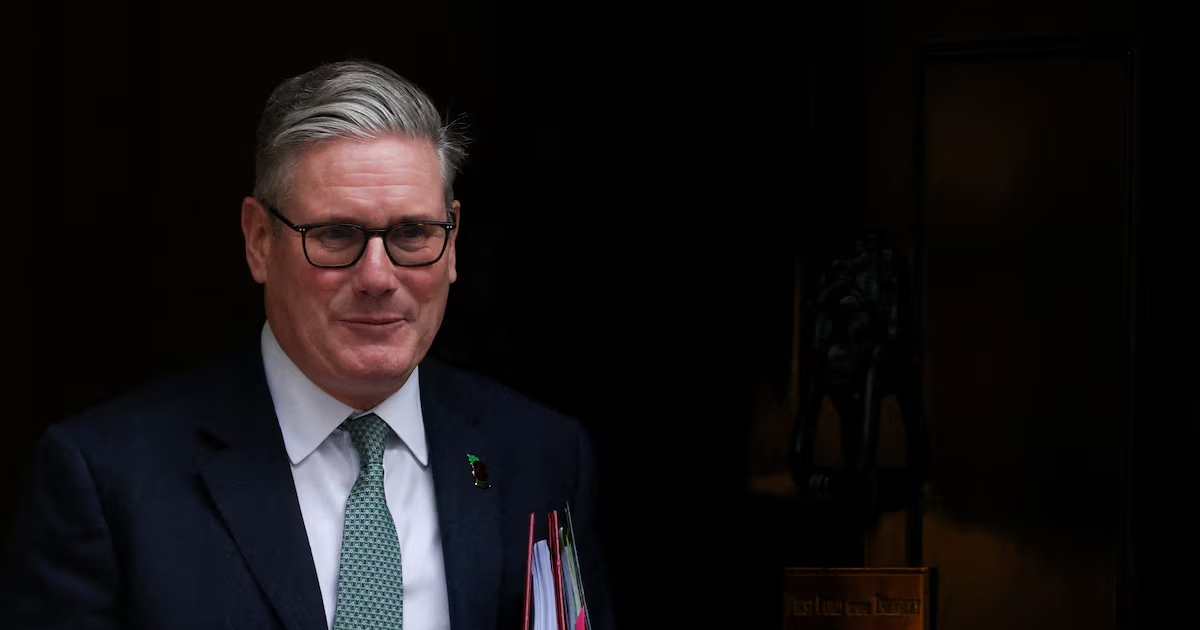
UK Prime Minister Keir Starmer moved swiftly on Wednesday to quash internal speculation about his authority, rejecting reports from unnamed allies that he would fight any leadership challenge and throwing his public support behind his health minister, Wes Streeting. The comments came after select media outlets received briefings late Tuesday suggesting that Starmer would resist any bid to unseat him, and that Streeting along with interior minister Shabana Mahmood could replace him.
In a session of Prime Minister’s Questions in Parliament, Starmer declared that he had “never authorised” attacks on ministers and described any such behaviour as “completely unacceptable”.
Backlash from the health secretary and market signals of unease
Streeting rejected the allegations of plotting a challenge, telling broadcasters the idea was “categorically untrue” and even “self-defeating”, arguing the briefings had come from people around the prime minister rather than from Starmer himself.
The turmoil triggered early signs of market jitters: UK government bond (gilt) yields rose and the pound fell slightly against the US dollar as investor unease over Starmer’s prospects surfaced.
Several Labour MPs expressed frustration, criticising the surprise briefings as underscoring a weak leadership and a “bunker mentality” in Downing Street.
The leadership challenge context: polls, budget pressures and internal strain
Starmer’s authority has been under pressure since his landslide July 2024 election win. His party’s poll ratings have slid amid public cynicism over tax rises and stalled reforms, while media speculation about possible successors has gathered pace.
Labour is bracing for the forthcoming budget on November 26, in which Chancellor Rachel Reeves has indicated the need for tax increases to plug a significant fiscal gap—an announcement that could break a key election pledge. The leadership saga comes at a sensitive moment for Starmer’s team.
Furthermore, many Labour insiders believe internal discipline and communication at No. 10 have deteriorated—with ministers pointing to the growing influence of top aide Morgan McSweeney and the fallout from an extensive reshuffle in September 2025.
Under party rules, a formal leadership challenge would require 20 % of Labour MPs’ backing—about 80 nominations—making an immediate bid unlikely. Nonetheless, the episode exposes deepening fractures in the ruling party.
Implications for governance and party cohesion
Unless addressed, the turbulence raises risks for government policy delivery. A distracted leadership team may struggle to enact major fiscal or public-service reforms. The public airing of internal conflicts ahead of the budget may damage the party’s credibility and provide ammunition to opposition forces such as Reform UK or the Conservatives.
Starmer’s attempt to restore control hinges on uniting his frontbench, regaining parliamentary support, and reassuring markets that the UK’s leadership remains steady amid economic uncertainty. Whether Wednesday’s reassurances will be sufficient remains to be seen.
