
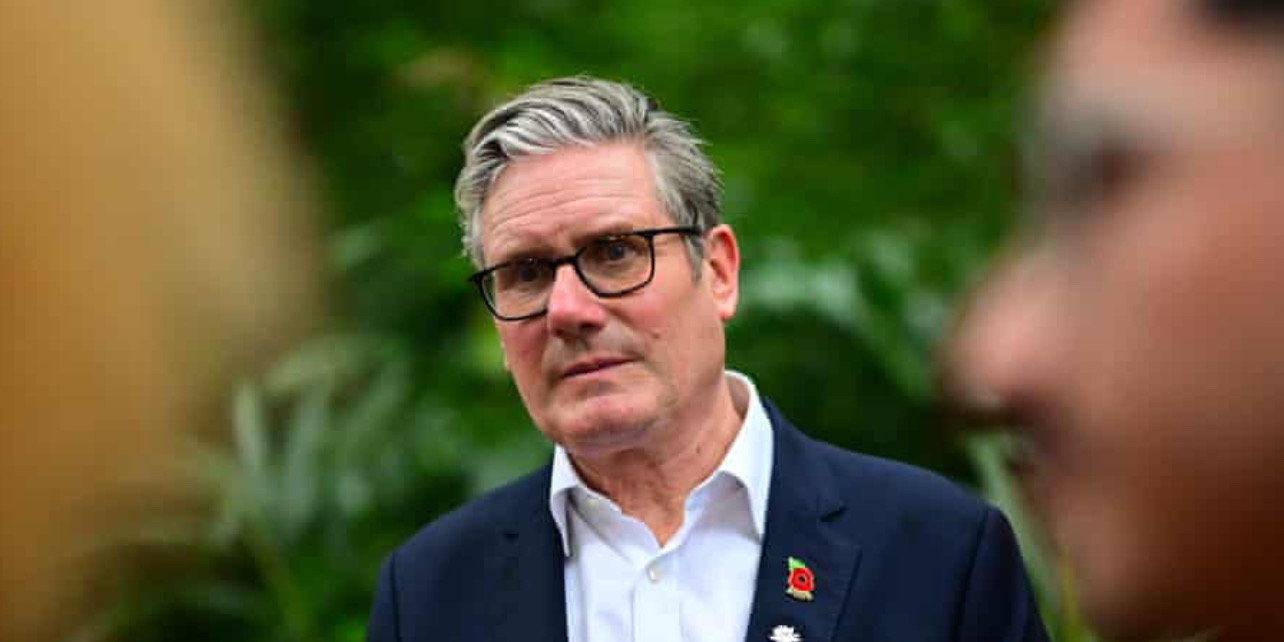
A group of seven former ministers from the Keir Starmer-led Labour government have written to the prime minister urging him to reverse an anticipated cut in the UK’s contribution to the Global Fund to Fight AIDS, Tuberculosis and Malaria (Global Fund), describing a potential decision to reduce the funding as both a moral failure and a strategic disaster. With a decision expected within days on the UK’s pledge for the 2027-29 replenishment, the letter ramps up internal pressure and draws attention to wider concerns over the UK’s shifting aid strategy.
The letter emphasises that ministers and senior officials are poised to announce a contribution cut of about 20% to the Global Fund, reducing the UK’s commitment from around £1 billion to approximately £800 million, a move that aid groups warn could imperil hundreds of thousands of lives. The seven signatories, all of whom served as junior ministers under Starmer but lost their posts in the September reshuffle, warn that such a cut would send a damaging signal about the UK’s global health priorities and undermine its reputation in multilateral cooperation. One of the signatories, Gareth Thomas, who served as Minister for Africa and Business Minister, noted his first-hand experience of the Fund’s impact: “These were not abstract statistics. They were healthy babies who would not have survived without this assistance.”
The Stakes: Lives, Strategy and UK Soft Power
Since its establishment, the Global Fund has been credited with saving some 70 million lives and building health systems across the world. The former ministers warn that a 20% reduction in the UK pledge could lead to nearly 6 million preventable infections and thousands of avoidable deaths — figures that mirror worries raised by leading charities. Moreover, they argue this is not just a matter of health outcomes but of UK national security and global influence: healthy, stable societies abroad reduce the drivers of conflict and migration that affect UK interests. Thomas underlined that this cut would amount to “not only a moral failure but a strategic one.”
UK Aid Cuts and Shifting Priorities
The alarm about the Global Fund pledge comes against the backdrop of major shifts in the UK’s international development policy. In February 2025, the government announced that the UK’s official development assistance (ODA) would be gradually reduced from 0.5% of gross national income to 0.3% by 2027/28 — a move intended to free up funding for rising defence and security spending. Aid experts warn this pivot will erode the UK’s role as a major donor. The government has also signalled a move away from bilateral development programmes toward “modernised” multilateral support and investment-style partnerships — with organisations such as the Global Alliance for Vaccines and Immunisation (Gavi) and the Global Fund prioritised, according to the latest strategy. The concern among MPs and NGOs is that the cut to the Global Fund would send the opposite message: that the UK is stepping back from global health leadership, not stepping up.
Timing, Public Opinion and Political Pressure
The decision on the UK’s pledge comes as the Global Fund prepares for its 2027-29 replenishment summit, held on the margins of the upcoming G20 Summit in South Africa, which the prime minister will attend. A recent poll by the advocacy group ONE Campaign found that 62% of Britons believe the UK should maintain or increase its contribution to the Fund. Meanwhile, other Labour backbenchers are also mobilising: some 43 MPs sent a separate private letter to the prime minister expressing their concerns. The combination of intra-party pressure, public opinion and media scrutiny places the government in a delicate position.
What’s at Risk and What Comes Next
If the UK proceeds with the cut, development and health groups say the fallout could be swift: stalled progress in HIV, TB and malaria programmes, strained health systems in vulnerable countries, and a blow to the UK’s standing among donors. For the government, reversing course would require additional funding or reprioritisation, raising questions over how foreign-aid spending fits with defence and domestic fiscal pressures. Observers expect the pledge announcement imminently; whether it will reflect the full £1 billion commitment or a reduced figure remains uncertain. As the debate intensifies, the final outcome will signal whether the UK is maintaining its leadership role in global health — or stepping back.
