
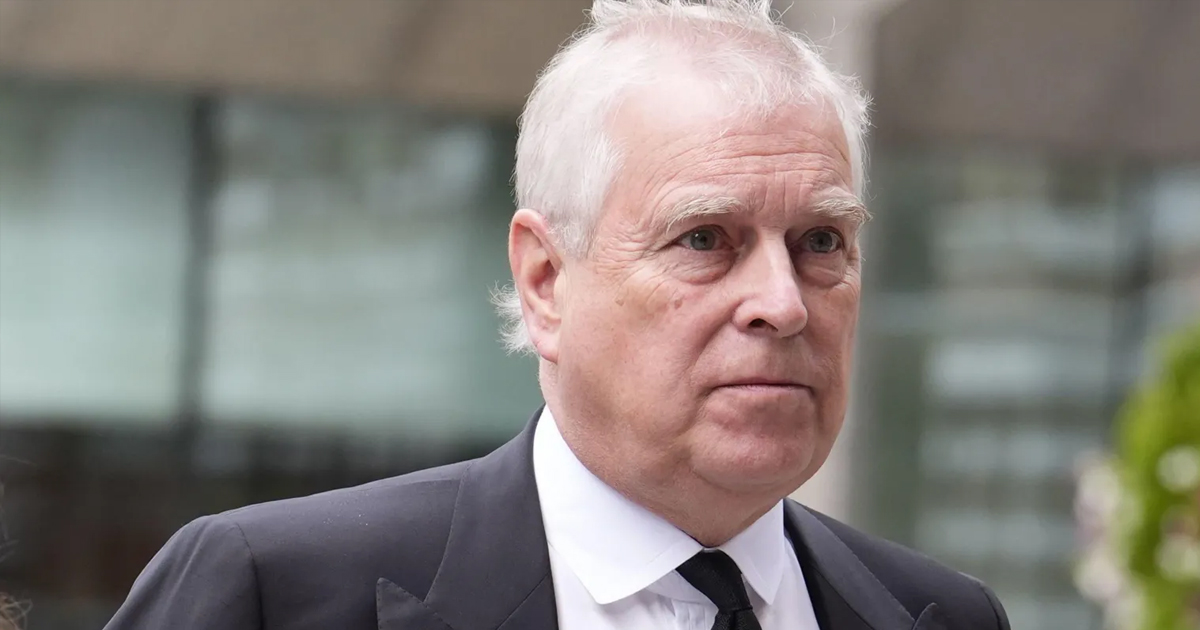
King Charles III has officially removed the style “His Royal Highness” (HRH) and the titular dignity of “Prince” from his younger brother, Andrew Mountbatten Windsor (formerly the Duke of York). The change was published in The Gazette — the United Kingdom’s official public record — and came into effect via Letters Patent under the Great Seal of the Realm dated 3 November 2025.
The formal entry states: “The King has been pleased by Letters Patent under the Great Seal of the Realm … to declare that Andrew Mountbatten Windsor shall no longer be entitled to hold and enjoy the style, title or attribute of ‘Royal Highness’ and the titular dignity of ‘Prince’.”
Removal of ducal peerage and other titles
The action goes beyond style and title: Andrew has also been removed from the Roll of the Peerage as the Duke of York under a Warrant dated 30 October 2025.
In previous announcements, he had relinquished use of the Duke of York title in October 2025 amid rising scrutiny.
Reasons behind the move
King Charles’s decisive move comes after weeks of intense media and public scrutiny over Andrew’s long-standing links to convicted financier Jeffrey Epstein and associated allegations. These include renewed attention via the posthumous memoir of Virginia Giuffre — a prominent Epstein accuser — who alleged that she had sex with Andrew on three separate occasions when she was a teenager. Andrew has always denied these allegations.
The monarchy and government appear to have judged that the reputational damage to the royal institution required a clear and formal break.
Residence and personal consequences
Following the announcement, Buckingham Palace stated that Andrew would leave his residence at Royal Lodge in Windsor. He is expected to relocate to private accommodation on the estate of Sandringham Estate.
Notably, the decision was not contested publicly by Andrew — he did not object to the King’s formal removal of titles.
What remains for Andrew Mountbatten Windsor
While the titles and styles have been removed, Andrew has been permitted to retain his South Atlantic Medal, awarded for his service as a Sea King helicopter co-pilot during the 1982 Falklands conflict. The government confirmed that operational campaign medals would not be withdrawn even though his honorary military ranks and royal patronages have been stripped.
He will also still be known in public records as Andrew Mountbatten Windsor, rather than Prince Andrew, Duke of York.
Historical significance and monarchy implications
This is an unprecedented move in modern British royal history, underscoring the continued impact of the Epstein affair on the monarchy. The use of royal prerogative — via Letters Patent under the Great Seal — rather than parliamentary legislation, reaffirms the monarch’s capacity to remove royal styles and titles.
The development arrives at a time when the monarchy is under heightened scrutiny over transparency, accountability, and relevance to younger generations. The decision may signal a broader effort by King Charles to safeguard the institution’s public standing.
What this means for the royal family and Andrew
For the royal family, this public purge of a disgraced senior member may stabilise public trust and reduce ongoing distractions from its core duties. For Andrew, it marks the end of his formal royal status and a sharp curtailment of public roles. His future will likely see a far more private existence. Additionally, the case may influence future discussions about the removal of titles by act of Parliament or through reforms to the royal honours system.
For legal and institutional observers, the method of removal sets a precedent: while some titles like peerages historically require parliamentary action, the style “Royal Highness” and dignity of “Prince” were removed via the Crown’s prerogative alone.