
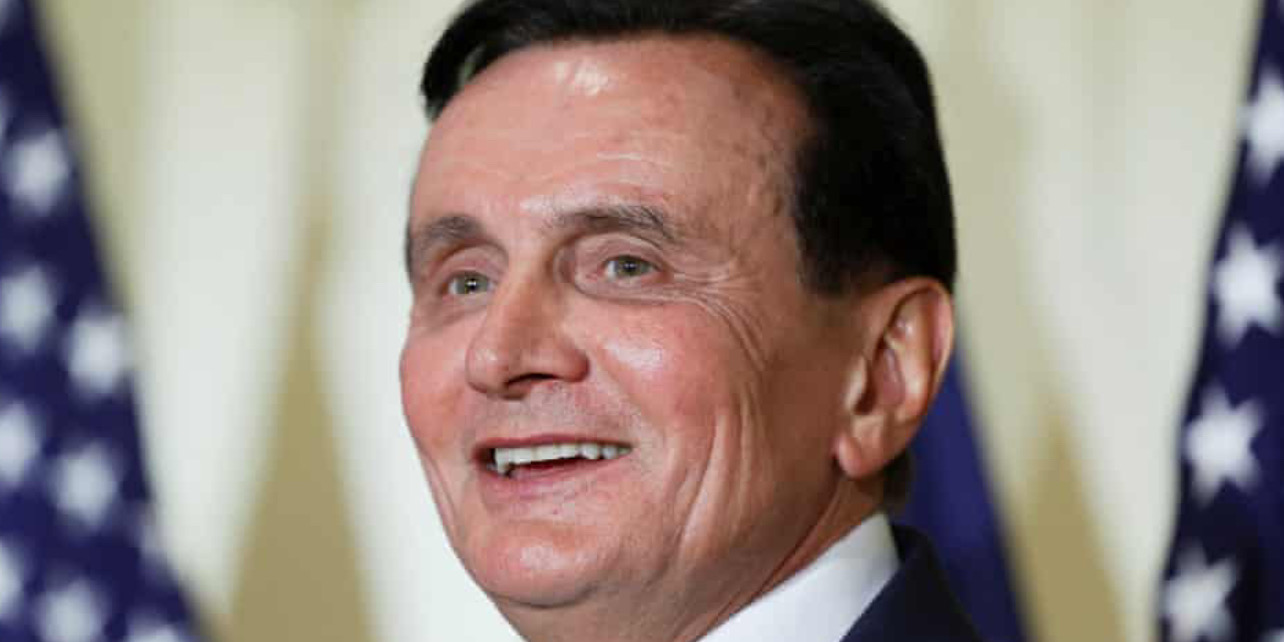
The boss of AstraZeneca, Pascal Soriot, has issued a stark warning that the United Kingdom is on a pathway that could see it limited to generic medicines unless it significantly increases investment in new-drug innovation. He made the comments amid an escalating confrontation between the pharmaceutical sector and the UK government over drug-pricing policies — a dispute blamed for nearly £2 billion in delayed or abandoned UK investments this year.
Soriot emphasised that while the UK is not yet in a generics-only scenario, unless the ongoing trend over the past 15-20 years is reversed, it becomes “actually possible … if the ongoing trend … doesn’t change.”
Why UK spending needs to increase
According to Soriot, the UK currently spends around 0.3 % of GDP on new medicines; he argues that this should be doubled to 0.6 % to align the UK with rival countries. He also criticised the National Institute for Health and Care Excellence (NICE) cost-effectiveness thresholds for new drugs, which have remained unchanged for around two decades despite back-to-back years of inflation. Under the current framework, medicines costing between £20,000 and £30,000 per year of good health gained are deemed cost-effective for the National Health Service (NHS). The Association of the British Pharmaceutical Industry (ABPI) has called for these thresholds to be roughly doubled, to between £40,000 and £50,000.
Soriot also highlighted the impact of the UK’s voluntary scheme under which drug-makers repay a large share of their UK revenues — currently around 25 %, compared with 5.7 % in France and 7 % in Germany. He called for “substantial moderation” of this rate.
Investment flight and UK competitiveness
The warning comes as AstraZeneca and other companies scale back UK investment. AstraZeneca paused a planned £200 million research centre in Cambridge and cancelled a £450 million vaccine facility expansion in Liverpool’s Speke earlier in the year. The firm is simultaneously committing large investments in the United States — including a $4.5 billion manufacturing facility in Virginia and a $50 billion investment plan.
Soriot warned that Europe, including the UK, risks losing “health sovereignty” if it fails to invest in innovation — with technologies migrating to the US and China.
Government response and future outlook
In response to the industry pressure, the Labour party has begun drawing up fresh proposals aimed at settling the pricing impasse, including raising NICE cost-effectiveness thresholds by “less than 25 %” plus further adjustments to reach a full 25 % increase. Soriot welcomed such steps but stressed that what would truly attract investment to the UK is meaningful change — not just marginal increases. “The only thing I can say is what I believe would attract investments in the UK, and really create economic growth on top of improving access for patients,” he stated.
Global drug-pricing pressure
The UK’s predicament is amplified by global pressures. In the United States, former President Donald Trump has pressured pharmaceutical companies to lower drug prices in the US and raise them elsewhere, thereby affecting pharma strategy globally.
Meanwhile, the UK’s drug-pricing and innovation environment has been under scrutiny as part of the broader debate over how developed economies reward pharmaceutical innovation while controlling costs.
Implications for patients and the NHS
Were the risk Soriot describes to materialise, patients in the UK could face a delay or denial of cutting-edge therapies, with the NHS increasingly reliant on older, generic treatments. From a cost-perspective, Soriot and others argue that investing in novel therapies may in fact save the NHS money in the long run by preventing more expensive complications, prompting earlier diagnoses and treatments. However, without higher thresholds or increased spending, the system may struggle to keep pace with innovation, which could shift to other geographies.
Looking ahead: what needs to change
To reverse the trend, key actions include:
•Raising the NICE cost-effectiveness threshold to reflect inflation and align with other countries.
•Reducing the pay-back/rebate burden on drug-makers to a level closer to international peers.
•Increasing direct spending on new medicines to 0.6 % of GDP.
•Strengthening the UK investment environment, especially for life sciences manufacturing and R&D, to stay competitive in the global pharma market.
Unless these reforms are enacted, the UK risks falling behind in the global pharmaceutical innovation race — potentially locking patients out of next-generation therapies while industry directs resources to more favourable jurisdictions.
