
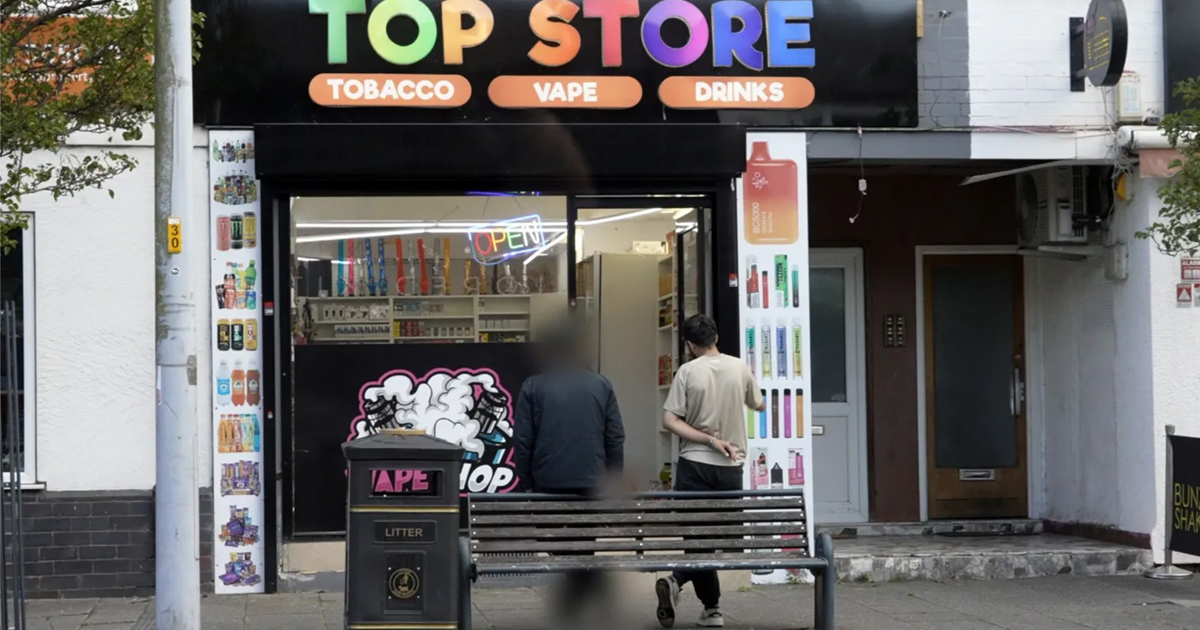
A large-scale criminal operation is enabling undocumented migrants to work illegally in mini-marts, barbershops and car washes across the UK, a thorough investigation by the BBC reveals. The network uses “ghost directors” who lend their names to shell companies, facilitating the unlawful employment of vulnerable people and the sale of illicit goods.
Investigative reporters, posing as Kurdish asylum-seekers, discovered that setting up a shop was deliberately made easy. One insider claimed weekly takings from illicit tobacco could “sometimes, up to £3,000”.
The process involves fake company directors who appear in official filings but play no role in running the business. One such person told undercover reporters: “The shop doesn’t belong to me, it’s just under my name.” The businesses are often dissolved after about a year and then relaunched with minor changes to avoid detection. Financial-crime investigators describe the operations as having “all the red flags” of organised crime.
Scale and Scope of the Network
Investigators linked more than 100 mini-marts, barbershops and car washes from Dundee to south Devon to the network. One named “ghost director” is listed as director in dozens of companies registered at Companies House, yet claims no involvement in their daily operation. The investigation found adverts on a Kurdish Facebook group listing dozens of businesses for sale, charging up to £300 per month to register a shop under someone’s name, and builders offering hidden compartments in shops to conceal illegal cigarettes and vapes.
Migrant Labour and Exploitation
Asylum-seekers, barred from most legal employment while their claims are processed, are being drawn into this underground economy. One Kurdish shopworker said he worked 14-hour shifts for just £4 an hour. Another reported paying £250 monthly to a ghost director for the lease of a Crewe mini-mart. In some cases, the businesses operate in deprived High-Street locations and openly sell counterfeit or smuggled cigarettes for a fraction of legal UK price.
Enforcement and Government Response
The Home Office has announced it will investigate the BBC’s findings. Home Secretary Shabana Mahmood stated: “Illegal working and linked organised criminality creates an incentive for people to come here illegally. We will not stand for it.” The government has already increased raids on suspected illegal-working sites and raised the maximum business fine for illegal employment to £60,000 per worker.
Illegal Working and Border Enforcement Intensify
This investigation comes amid a wider crackdown. Between July 2024 and January 2025, illegal-working visits and arrests rose by around 38 % compared to the previous year, with 828 premises raided in January alone—a 48 % increase on the prior year. The government has labelled illegal working a key driver of irregular migration and is using tougher border and labour-enforcement measures.
Recent cases also show that criminal networks facilitating illegal employment are linked to migrant-smuggling routes – illustrating the inter-linked nature of modern immigration-crime challenges.
Implications and Risks
The uncovered scheme presents multiple risks: it enables the exploitation of vulnerable migrants, undermines legal businesses by under-cutting them on labour and goods, bypasses tax and regulatory systems, and supports the wider infrastructure of organised crime. Financial-crime specialists warn that such networks could number in the hundreds across the UK. One investigator commented: “I certainly think it’s hundreds. It could easily be bigger than that.”
Looking Ahead
The government’s legislation under the Border Security, Asylum and Immigration Bill will grant stronger powers to target labour-exploitation schemes and illegal employment. Delivery-platform enforcement initiatives and tighter checks on businesses are also underway. For businesses and vulnerable workers alike, the message is clear: this is now high-priority for enforcement.
