
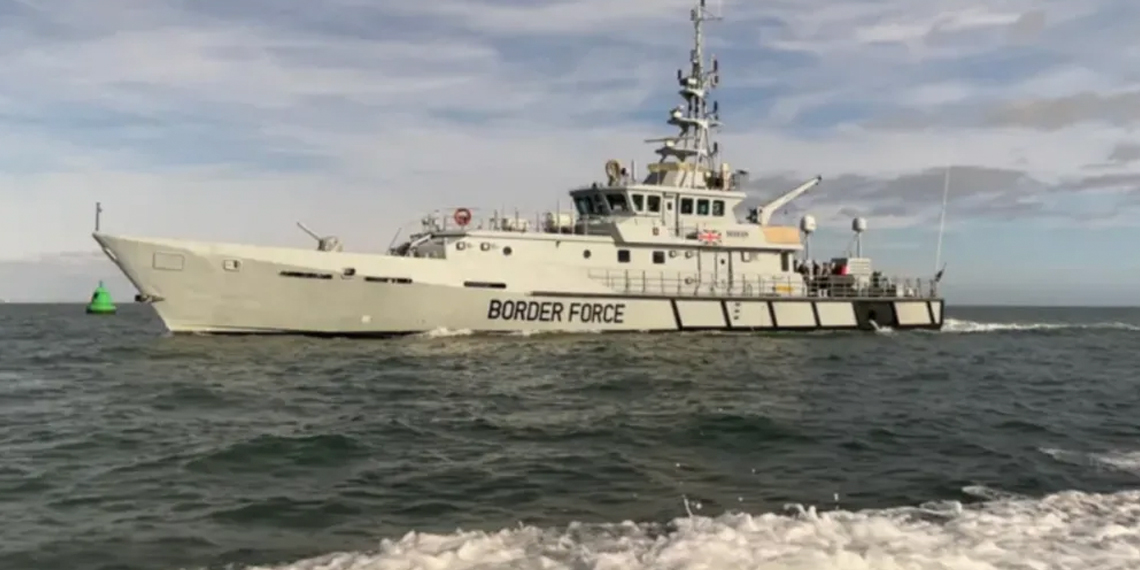
The UK’s vast and remote coastline is creating growing opportunities for smugglers of goods and people, according to an inspection by the Independent Chief Inspector of Borders and Immigration (ICIBI).
The report found that the scale and isolation of Britain’s shores make it easier for small vessels, including yachts and fishing boats, to enter the country clandestinely. It warned that Border Force’s data collection and understanding of such maritime threats remain inadequate.
The inspection, conducted while David Bolt was still in post but released under new Chief Inspector John Tuckett, examined Border Force’s capacity to protect the UK border from general maritime (GM) threats. It concluded that the department lacked a comprehensive understanding of all coastal locations where GM vessels could land, limiting its ability to respond effectively.
Inspectors also highlighted that the Border Force fleet’s age requires extensive maintenance to keep it operational. They said an effective response depends heavily on collaboration with the Ministry of Defence and UK police.
The Home Office confirmed that a ship life extension programme is underway to maintain service levels and said it accepted or partially accepted all 16 recommendations made in the report.
A Home Office spokesperson stated: “Maritime assets patrol and protect all 11,000 miles of the UK coastline, this includes harbours and marinas. We work closely with the National Crime Agency and local communities to utilise intelligence that helps to disrupt the gangs and make record-breaking seizures.”
The findings follow repeated warnings about the use of yachts for illegal entry. Former border watchdog John Vine recently told the BBC there was “a very real threat that small ports and harbours are used in this way.”
Several recent cases highlight the scale of the issue. Last week, an Iraqi national was sentenced after arriving from France on a yacht with a group of migrants, including a baby. Earlier this year, two men were convicted for smuggling Albanian nationals into Suffolk, while another was jailed for seven years for transporting 21 migrants across the Channel on a hired yacht.
Drug smuggling also remains a concern. In August, four men were jailed for attempting to bring £18m worth of cocaine into the UK by boat, and in March, four others were convicted after being caught at sea with £100m of cocaine on a fishing vessel.
Experts including Tony Smith, the former director general of Border Force, said the number of maritime smuggling incidents is still low compared with small boat crossings in the Channel.
Dover MP and Home Office minister Mike Tapp told the BBC: “The focus and priority is stopping those boats and bringing down illegal migration.”
