
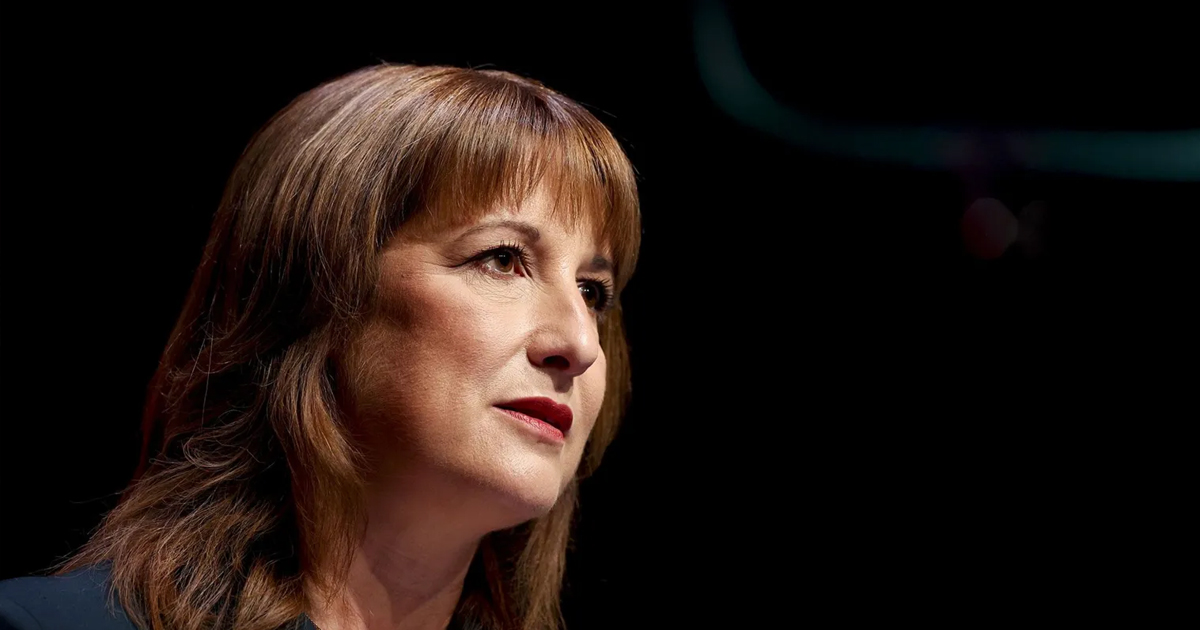
The British government is confronting a steeper-than-expected hole in the public finances as it heads into next month’s Budget, following reports that the Office for Budget Responsibility (OBR) is preparing to lower its productivity forecasts. Analysts now suggest Chancellor Rachel Reeves could face a £20 billion shortfall under the revised outlook. Reeves has confirmed that tax rises and spending cuts remain on the table as potential remedies.
Productivity measures output per hour worked, and the OBR’s prior forecasts assumed a modest rebound after years of stagnation. The new downgrade — reportedly around 0.3 percentage points — draws the baseline closer to the more cautious outlooks of the Bank of England. According to the Institute for Fiscal Studies, each 0.1 point downward revision could add £7 billion in borrowing by 2029–30, making a 0.3 point cut roughly equivalent to £21 billion.
Budget rules complicate options for Reeves
Rachel Reeves has made two budget principles non-negotiable: that day-to-day spending must not rely on borrowing by the end of this Parliament, and that debt must decline as a share of GDP. But the new fiscal shock will make adherence to those targets much harder. She has already indicated in Saudi Arabia that the OBR is “likely to downgrade productivity,” pointing to weak performance since the financial crisis and Brexit as underlying causes.
Potential levers: taxes, cuts, or borrowing
Faced with the gap, government options include raising taxes, cutting public spending, or increasing borrowing. Some speculate that Reeves may have to break earlier commitments — for example, raising income tax, adjusting thresholds, or introducing new levies like a “mansion tax.” Other offsetting factors may help: falling debt financing costs, stronger-than-expected growth in other sectors, or favorable scoring of new trade deals.
External pressures and trade deals as side supports
As concerns over the fiscal outlook intensify, the government is simultaneously touting trade and investment deals struck during Reeves’s Gulf tour. These include £5 billion of UK Export Finance backing, a £37 million Saudi cybersecurity investment in London, and £75 million into a British digital bank. These deals may play into narratives of growth, but they will likely be insufficient to close a multi-billion-pound Budget gap caused by structural weakness.
Looking ahead: OBR forecast and political fallout
The OBR is scheduled to publish its full forecast alongside the Budget on 26 November. If the downgrade holds, Reeves may face mounting pressure to abandon manifesto pledges or implement unpopular fiscal measures. Analysts warn that she faces one of the most politically delicate Budgets in recent memory.
