
The Home Office has wasted billions of pounds on asylum accommodation due to years of mismanagement of what MPs described as a “failed, chaotic and expensive” system, according to a report released by the Commons Home Affairs Committee.
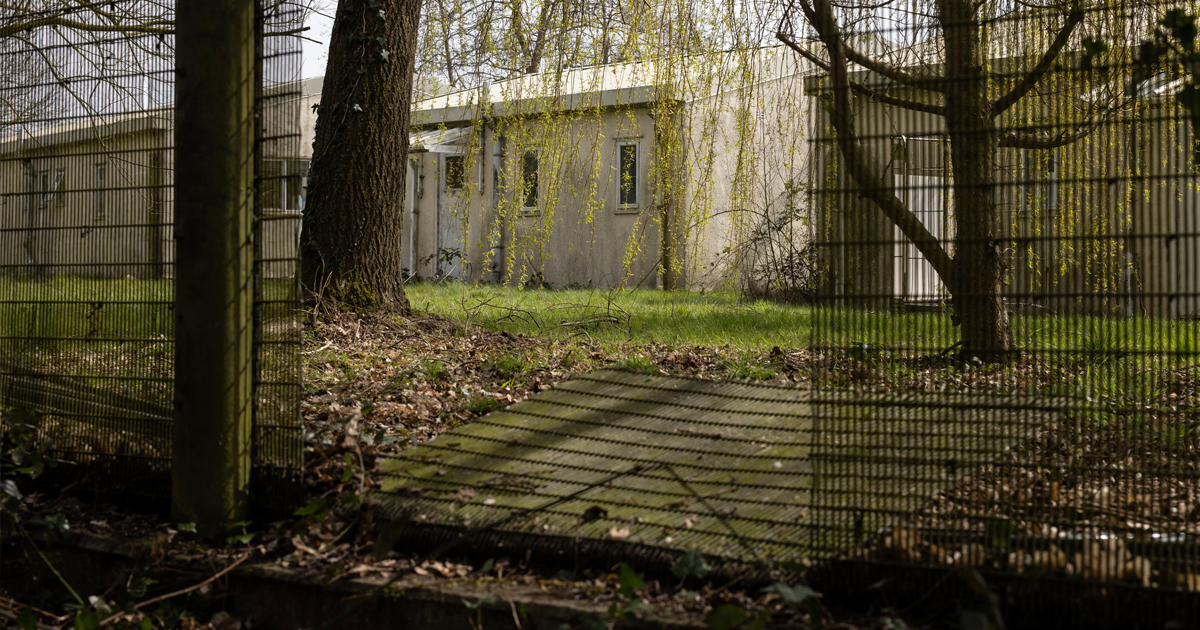
The cross-party committee’s report, published on Monday, accuses both the current and previous governments of failing to manage asylum housing effectively, including hotels, large-scale sites such as the former Wethersfield military base in Essex, and shared accommodation.
It found the Home Office “incapable of getting a grip on the situation” and highlighted “failures of leadership at senior level”. The report warned of major financial mismanagement in the 10-year contracts with private providers Clearsprings, Mears and Serco, which began in 2019 and ballooned in value from £4.5 billion to £15.3 billion.
According to the committee, poor performance went unpunished and excess profits were left unrecovered, with oversight described as deeply inadequate. Despite hotels accounting for over 75% of asylum accommodation costs, no penalties were imposed on hotels or major sites such as Napier Barracks and Wethersfield. Under existing profit-share agreements, Mears owes £13.8 million and Clearsprings £32 million, yet the Home Office has not completed the necessary audit.
The report stated: “We are deeply concerned by the volume of evidence indicating significant safeguarding failings in asylum accommodation,” particularly highlighting cases where children were wrongly age-assessed as adults and placed in inappropriate housing.
In response, a Home Office spokesperson said: “The government is furious about the number of illegal migrants in this country and in hotels. That is why we will close every single asylum hotel – saving the taxpayer billions of pounds … We have already taken action – closing hotels, slashing asylum costs by nearly £1bn and exploring the use of military bases and disused properties.”
MPs also criticised reckless spending on failed projects. In one case, the department purchased the Northeye estate in East Sussex for £15.4 million in 2023, only a year after it had sold for £6.3 million, later discovering the site was contaminated. The Home Office also spent £48.5 million on RAF Scampton in Lincolnshire before cancelling the plan due to rising costs. A separate taskforce found 244 bed spaces billed for that did not exist.
Hundreds of millions were also lost on the Rwanda scheme, including £290 million paid to the Rwandan government, despite only four asylum seekers volunteering to go there. The report noted that shared asylum housing costs an average of £23.25 per night compared to £144.98 for hotel accommodation.
Steve Lakey, managing director of Clearsprings, told MPs that hotels were more profitable than other housing options. The committee warned this created “a great disincentive” for providers to move people out of hotels.
Committee chair Dame Karen Bradley urged the Home Office to “get a grip” on the crisis, saying: “The Home Office has presided over a failing asylum accommodation system that has cost taxpayers billions of pounds. Its response to increasing demand has been rushed and chaotic, and the department has neglected the day-to-day management of these contracts.”
She added that “urgent action is needed to lower the cost of asylum accommodation and address the concerns of local communities,” warning that unrealistic promises risk setting the department up “for more failure”.
A British Red Cross spokesperson said: “This report confirms what we’ve long seen: asylum accommodation often leaves people feeling unsafe and, at times, having their basic needs go unmet.”
Enver Solomon, chief executive of the Refugee Council, said: “Hotels should never have become a long-term solution. There is a better way. By speeding up decisions for people from countries where we know most asylum applications succeed, subject to rigorous security checks, the government could end the use of expensive asylum hotels in 2026.”
