
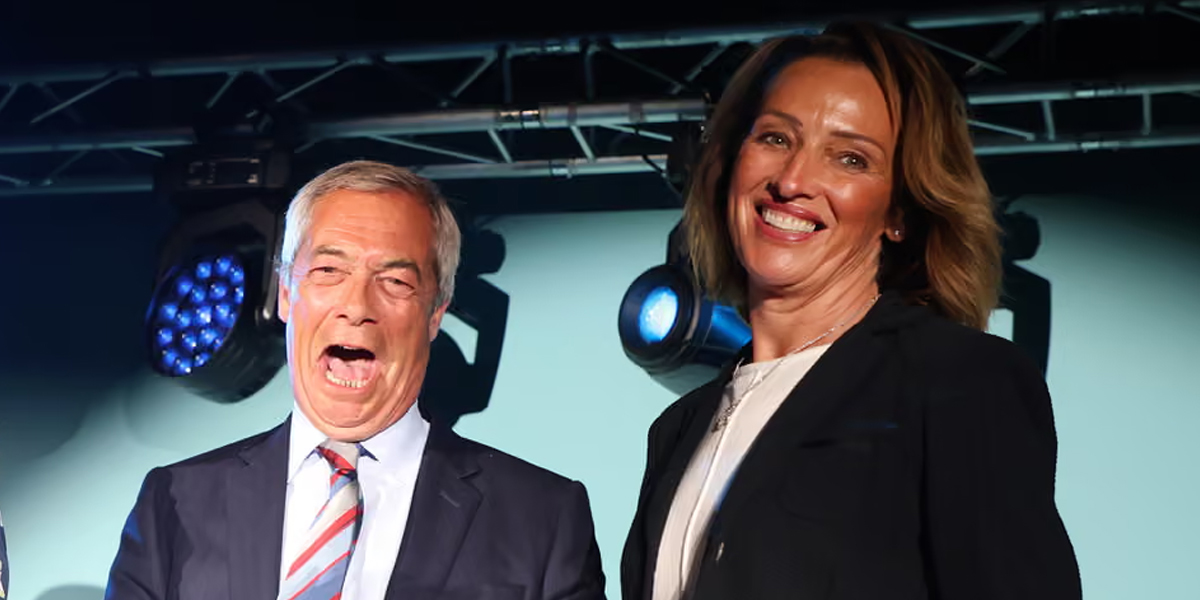
The controversy erupted when Sarah Pochin, MP for Runcorn & Helsby representing Reform UK, made comments that many labelled “Sarah Pochin racist remarks”, stating that seeing adverts “full of black and Asian people” “drives her mad”.
Health Secretary Wes Streeting swiftly condemned the remarks as racist and accused her of saying “the quiet bit loud”, warning of a resurgence of “1970s-, 1980s-style racism”.
The remarks
In a phone-in on TalkTV, Pochin responded to a viewer complaint about the demographics of advertising by declaring that “every advert” seemed to feature “black and Asian people”. She added: “It doesn’t reflect our society and I feel that your average white person, average white family is … not represented any more,” and blamed what she termed the “woke liberati” and “arty-farty world”. Shortly afterwards she offered an apology, saying her comments had been “phrased poorly” and that she was attempting to highlight that the British advertising and agency world had gone “DEI [diversity, equity and inclusion] mad”.
Political fallout
Streeting, speaking on the BBC’s Sunday programme, described the remarks as a “disgrace” and explicitly stated they were racist. He said: “She’s only sorry she’s been caught and called out… what we have seen on our streets in recent weeks and months is a return of 1970s-, 1980s-style racism I thought we had left in the history books.”
The Labour Party’s chair, Anna Turley, condemned Pochin’s comments and accused Reform of being “more interested in dividing our country than uniting it”. However she stopped short of describing the remarks as racist.
The Liberal Democrat leader, Ed Davey, labelled the comments “racism, pure and simple” and criticised the Conservatives for being too scared to call out Reform.
Meanwhile, Reform’s head of policy, Zia Yusuf, defended Pochin, stating her apology was “right” and that people must be able to talk about representation in advertising.
Shadow Home Secretary Chris Philp initially refused to label her remarks racist, but later conceded they were.
This episode comes amid escalating debate in UK politics around race, representation and identity politics. Earlier in the year, leading British Muslim figures accused Reform UK of stoking anti-Muslim sentiment after Pochin had earlier pushed for a ban on the burqa during Prime Minister’s Questions — an intervention which triggered the temporary resignation of Reform’s chairman Zia Yusuf.
The advertising industry itself has faced scrutiny for how it represents ethnic minorities and the “average” British family; Pochin’s remarks tapped into those debates, though in highly controversial fashion.
The row is likely to deepen fissures within UK politics over how parties address race, immigration, integration and national identity at a time when public concern over demographic change is high.
What happens next?
Labour has called on Nigel Farage, Reform UK’s leader, to publicly denounce the remarks and consider withdrawing the party whip from Pochin.
If Reform fails to act swiftly, the incident could damage the party’s broader appeal among minority communities, particularly as they attempt to build a credible national platform.
For Pochin, the remarks and the backlash will test her ability to recover politically and manage her profile as an MP navigating national controversies.
For advertisers and media agencies, the episode underscores the tensions between diversity & representation initiatives and public perceptions of fairness, identity and demographic change.
