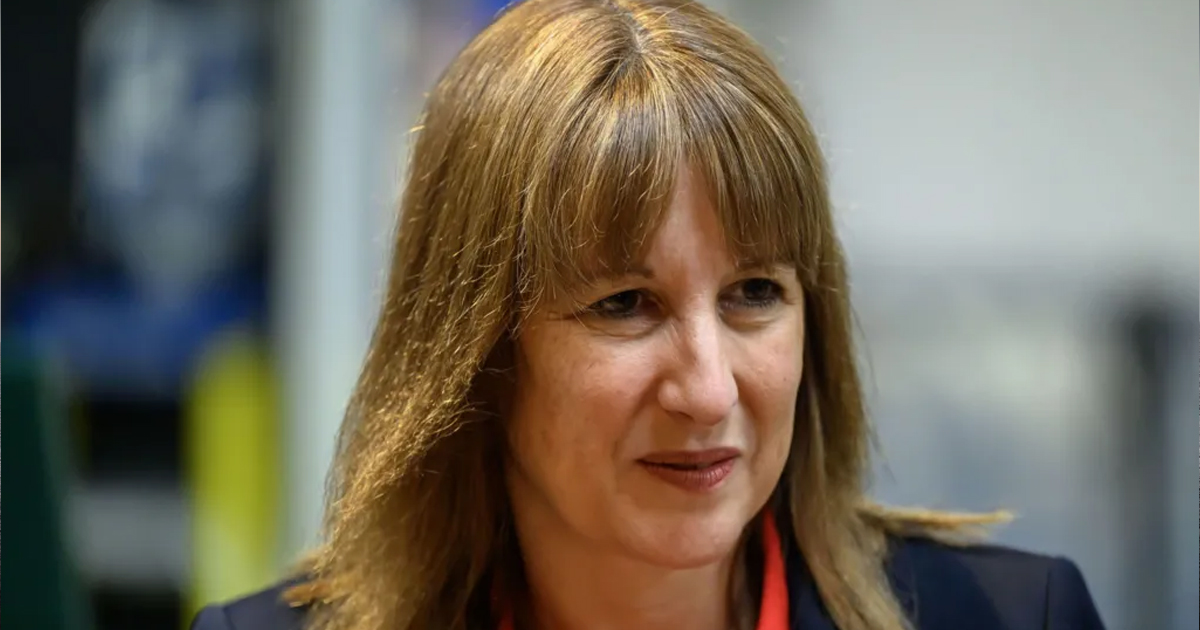
Chancellor Rachel Reeves has declined to rule out a rise in income tax in next month’s Budget, fuelling speculation she could break one of Labour’s key election promises.
When asked about reports that the Treasury is considering an increase in the basic rate, first published by *The Guardian*, Reeves said she would “continue to support working people by keeping their taxes as low as possible”.
While her refusal to confirm or deny the move does not guarantee a tax rise, it marks a shift in tone from her previous statement in September that “manifesto commitments stand” on not raising income tax, National Insurance, or VAT. Labour’s 2024 manifesto pledged not to increase “the basic, higher, or additional rates of income tax”.
Speaking in Leeds on Friday, Reeves emphasised that she understood the continued strain of the cost of living on households, saying her focus was on “supporting working people” but that she was still “going through the process” of finalising the Budget. She added that, although inflation figures had improved this week, “there is obviously much more to do.”
The Chancellor is expected to target wealthier individuals and high earners in her fiscal plans, saying recently that “those with the broadest shoulders should pay their fair share.” Reports suggest that officials are examining options such as higher taxes on professional partnerships used by lawyers and accountants.
However, economists have warned that such measures will not generate enough revenue to close the significant gap in the government’s finances. The Institute for Fiscal Studies (IFS) has estimated that Reeves will “almost certainly” have to raise taxes to plug a £22 billion shortfall.
This financial pressure stems from the Office for Budget Responsibility’s (OBR) decision to downgrade productivity forecasts, which wiped out much of the £10 billion “headroom” Reeves had set aside in her spring statement. Government borrowing in September reached £20.2 billion — the highest for that month in five years, according to the Office for National Statistics.
Although interest rates on government debt have fallen, Reeves has limited room to manoeuvre under her self-imposed fiscal rules. These require government debt to fall as a share of national income by 2029–30, and that everyday spending must be funded by tax revenue rather than borrowing.
If Reeves does opt for an income tax rise, it would be the first increase in the rate since 2010, when Labour introduced a 50% rate on incomes above £150,000 — later cut to 45% by the coalition government.
Currently, income tax is applied to earnings above the £12,570 personal allowance. The basic rate of 20% applies up to £50,270, the higher rate of 40% covers income up to £125,140, and earnings above that are taxed at 45%.
According to The Guardian, Treasury officials are in “active discussions” about adding 1p to the basic rate of income tax, which could raise more than £8 billion annually. The paper also reported that higher rates for top earners are under review.
The basic rate of income tax has not been increased since the 1970s, meaning any rise would mark a significant shift in the UK’s fiscal landscape — and a major political gamble for Reeves.