
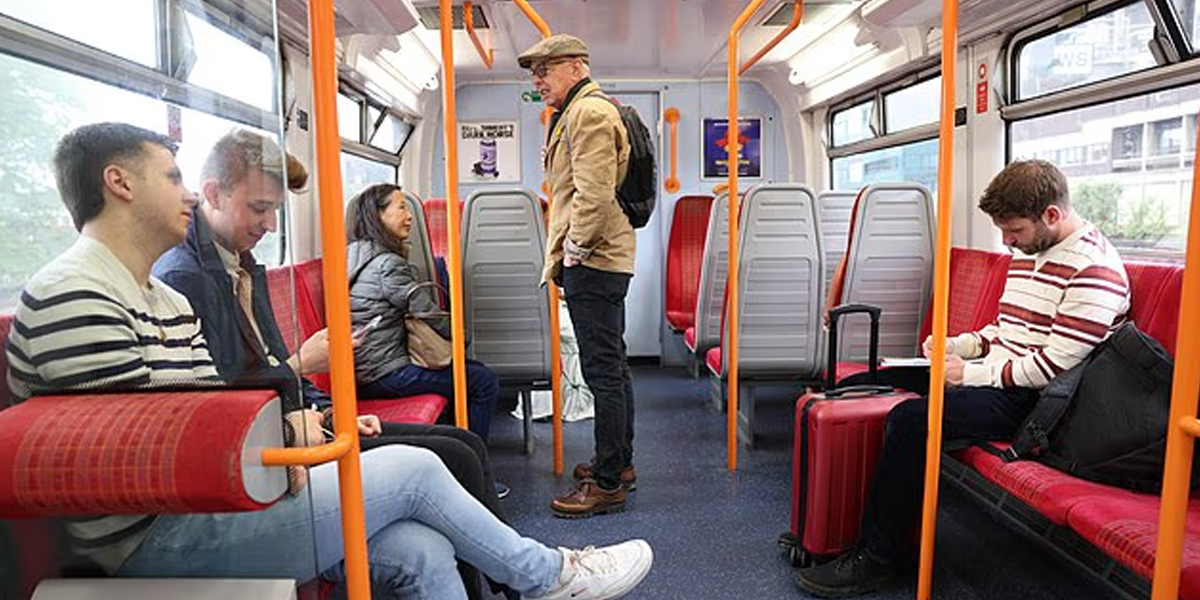
South Western Railway (SWR) is reportedly losing around £45.5 million in annual revenue due to passengers failing to pay for tickets, according to new data revealed through a Freedom of Information (FOI) request.
The figures, obtained by a rail campaign group, show that while fare evasion remains a costly issue, ticketless travel on SWR services has dropped to its lowest level since records began, currently standing at about 3.9 per cent — a 40 per cent reduction since 2017.
Across the UK, fare evasion costs the rail industry approximately £240 million each year.
SWR, which operates routes across London, Surrey, Hampshire, Dorset, Devon, Berkshire, Somerset and Wiltshire, said it remains focused on “effectively deterring fare evasion” and reducing the rate of ticketless travel further.
The FOI request also revealed that SWR paid more than £370,000 in hotels and taxis for passengers whose journeys were disrupted by delays or cancellations. Over the past 12 months, 7,293 trains were short-formed — meaning they operated with fewer carriages than scheduled — due to train faults and other operational issues.
However, the operator noted that only 0.18 per cent of its total services were affected, adding that the introduction of new trains would enhance capacity and reliability across its fleet.
Jeremy Varns, a member of the SWR Watch travel group, told the BBC that service standards had declined since Labour’s renationalisation of SWR in May. She said: “My primary concern is a lack of accountability. There’s still no publicly accessible contract between the operator and government and Department for Transport.”
SWR confirmed that a copy of the final Service Agreement, currently being amended, will be published in due course.
Varns urged the company to prioritise passenger experience and criticised frequent station skipping, saying SWR should “ensure operational decisions are not made at the expense of already inconvenienced passengers.”
An SWR spokesperson said the firm makes “every effort” to help passengers complete their journeys during major disruptions, including by providing “refundable taxis or overnight accommodation” when reasonably possible.
Meanwhile, CrossCountry has been named the UK’s worst-performing major train operator for cancellations this year.
According to Office of Rail and Road data for 2025, nearly one in ten CrossCountry trains have been cancelled — the highest rate of any operator. TransPennine Express and Avanti West Coast ranked second and third, with 8.48 per cent and 8.19 per cent of trains cancelled respectively.
Northern also performed below the national average, with 7.09 per cent of services cancelled compared to the overall UK rate of 3.43 per cent.