The UK cuts aid to Global Fund are poised to provoke serious health consequences worldwide, with charities warning that slashing Britain’s contribution by 20 % could cause more than 300,000 preventable deaths over the 2027–2029 period. The proposed reduction—expected to be announced during the upcoming G20 summit in South Africa—is stirring alarm among global health groups and development experts.
Senior UK government circles are reportedly deliberating a drop in the nation’s Global Fund pledge from £1 billion to £800 million. The announcement may coincide with the G20 summit, which Labour leader Keir Starmer is scheduled to attend. The cut would build on a previous 30 % reduction made in the prior replenishment cycle, compounding fears over the erosion of critical disease-control programs.
This move would follow a similar pattern: in recent years, the UK also reduced funding to the Global Alliance for Vaccines and Immunisation (Gavi) by roughly 25 %. Although the eventual commitment to Gavi reached £1.25 billion over five years, many agencies viewed that as a narrow relief compared to projected losses.
Global Fund’s Gains and Risks of Reversal
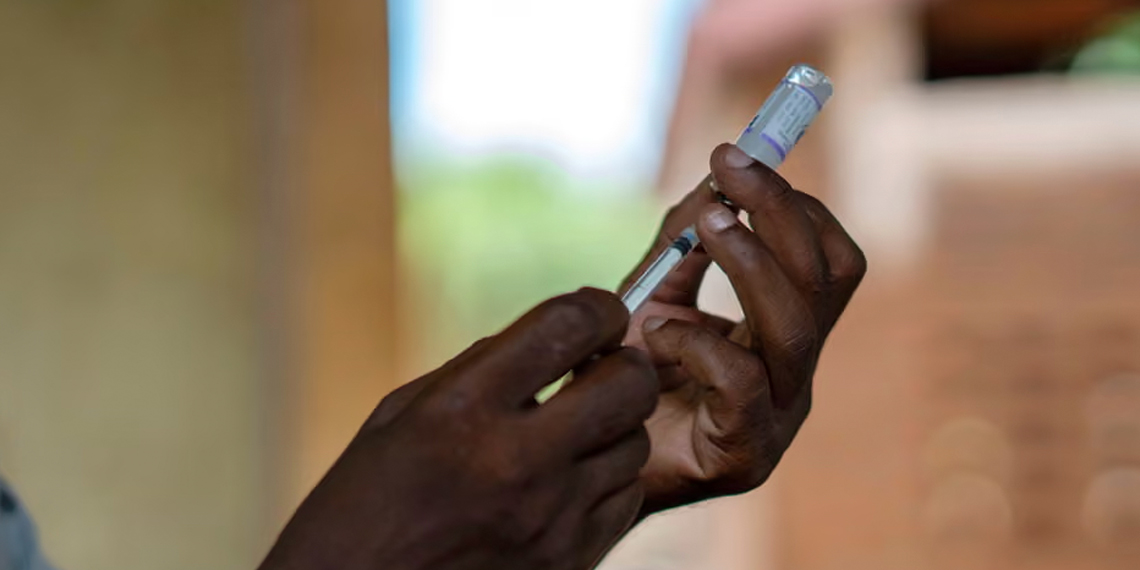
The Global Fund to Fight AIDS, Tuberculosis and Malaria has played a central role in saving tens of millions of lives since its founding. In 2024, the fund backed treatment programmes for 7.4 million TB patients, distribution of 162 million insecticide-treated nets, and expanded HIV care to 25.6 million people.
Charities fear that a £200 million cut alone could lead to up to 340,000 additional deaths and nearly 5.9 million avoidable infections in the next funding period.
Charities and Experts Sound the Alarm
Gareth Jenkins of Malaria No More UK warned the UK stands “on the brink of a malaria resurgence,” noting that reduced UK support would undermine health systems, cost lives—especially among children—and ripple into economic fallout and weakened global health security.
Mike Podmore, CEO of StopAIDS, criticized the reduction as a “terrible message” given the UK is co-hosting the replenishment event. He highlighted that no prior host country has ever cut its pledge between funding rounds, framing this cut as undermining Britain’s leadership in global health.
Adrian Lovett of the campaign group One cautioned that the cut would “put at risk decades of progress” against AIDS, TB, and malaria. Monica Harding, international development spokesperson for the Liberal Democrats, called cutting aid “an indictment of our global leadership.”
UK’s Aid Cuts in Broader Context
This proposed Global Fund cut builds upon a broader shift in UK aid policy. In early 2025, the government announced plans to reduce the aid budget from 0.5 % to 0.3 % of GDP, freeing up funds for increased defense spending.
The decision triggered sharp backlash. NGOs warned that it would damage the UK’s international reputation, destabilise health services in fragile states, and undo advances made in immunization, maternal health, and poverty relief.
Frontline AIDS and UK civil society groups have urged the UK government to maintain or exceed its £1 billion pledge in the upcoming replenishment. They argue that commitments are critical in preventing regression after years of progress.
Potential Fallout and Strategic Risks
If the cut is confirmed, donor confidence could falter, forcing recipient countries to scale back life-saving programs. The imbalance could hit nations disproportionately dependent on external funding, especially in sub-Saharan Africa.
Health experts warn of collateral damage: weakened surveillance of new infectious threats, reduced immunisation coverage, less capacity to respond to outbreaks, and reversal of gains in maternal and child health.
In strategic terms, the UK risks losing soft-power influence in global health, handing leverage to rival donors such as China, the US (if funding resets), or private foundations. The decision comes at a time when multilateral cooperation is under strain, making leadership in global health both a moral standing and a geopolitical asset.
The Foreign Office has yet to publicly respond to queries about the possible cut.