
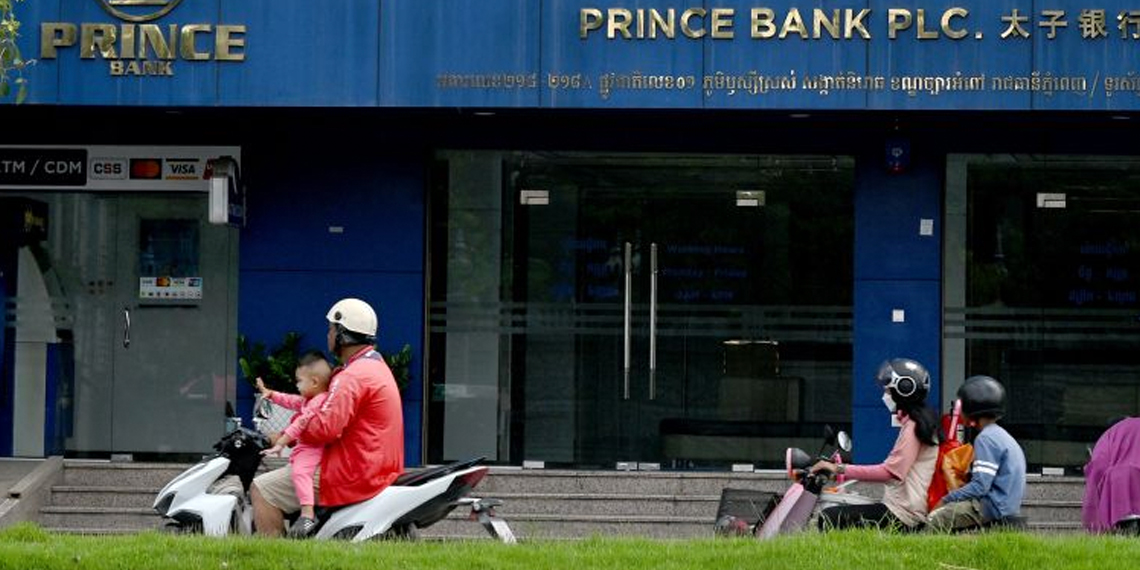
The Bellwether US-UK sanctions on Prince Group scam network mark one of the most sweeping actions yet against cyber-enabled fraud and human trafficking in Southeast Asia. The effort targets a sprawling enterprise of “scam centres” across Cambodia, Myanmar and nearby states, accused of exploiting trafficked workers to run fake cryptocurrency investment frauds worldwide.
On October 14, 2025, the US Treasury’s Office of Foreign Assets Control (OFAC) designated 146 individuals and affiliated entities connected to the Cambodia-based Prince Group, declaring it a Transnational Criminal Organization (TCO). Simultaneously, the UK imposed sanctions on six Prince Group associates and froze 19 London properties valued at over £100 million.
The UK government statement notes that homes and offices bought by the network in the City of London, Kensington, and Nine Elms have been locked down under new asset freeze orders.
Indictment, Historic Bitcoin Seizure, and Criminal Charges
In parallel with sanctions, US federal prosecutors unsealed a criminal indictment against Chen Zhi (aka Vincent), 37-year-old Chinese-Cambodian tycoon and chairman of Prince Group, on charges of wire fraud and money laundering. The Justice Department also filed the largest forfeiture action in its history, seizing approximately 127,271 bitcoins (worth over US$14–15 billion) linked to the fraud network.
In the government’s language, Chen is portrayed as the “mastermind behind a sprawling cyberfraud empire”, orchestrating a network of forced-labor scam compounds across Southeast Asia.
Modus Operandi: “Pig-butchering” Scams and Forced Labour
Investigators say the Prince Group network lured workers—especially from China and neighboring nations—using fraudulent job advertisements, then trapped them in compounds where they were forced under threat, coercion, or torture, to run crypto romance and investment scams globally.
The so-called “pig-butchering” scam technique involves building emotional rapport online, often via fake romantic encounters, then persuading victims to invest in fraudulent cryptocurrency platforms and draining their accounts. The ill-gotten gains were laundered through front companies, gambling operations, real estate, and luxury purchases including yachts, jets, and even a Picasso painting.
Cambodia’s Response and International Fallout
The government of Cambodia has urged due process and said that Prince Holding Group had met legal requirements to operate, while stressing it would cooperate if credible evidence is presented. Some local observers have raised concerns about Cambodia’s role or complicity in letting scam compounds flourish with impunity.
This crackdown arrives amid mounting global scrutiny of Southeast Asia scam centres, which have become notorious hubs of online fraud and forced labour. The coordinated US-UK action signals a shift toward multilateral enforcement in tackling cross-border crypto fraud, human trafficking, and money laundering.
What Happens Next: Prosecutions, Asset Recovery, Future Risk
Chen Zhi remains at large, possibly within Cambodia, and faces up to 40 years in prison if convicted. Authorities expect more designations, arrests, and forfeiture efforts in the months ahead.
The success of this operation will hinge on tracking down blockchain infrastructure, unmasking shell entities, and securing global cooperation on extradition and asset repatriation. In the broader picture, analysts warn that other criminal networks may rebrand or emerge in new jurisdictions, if enforcement is not sustained.
