
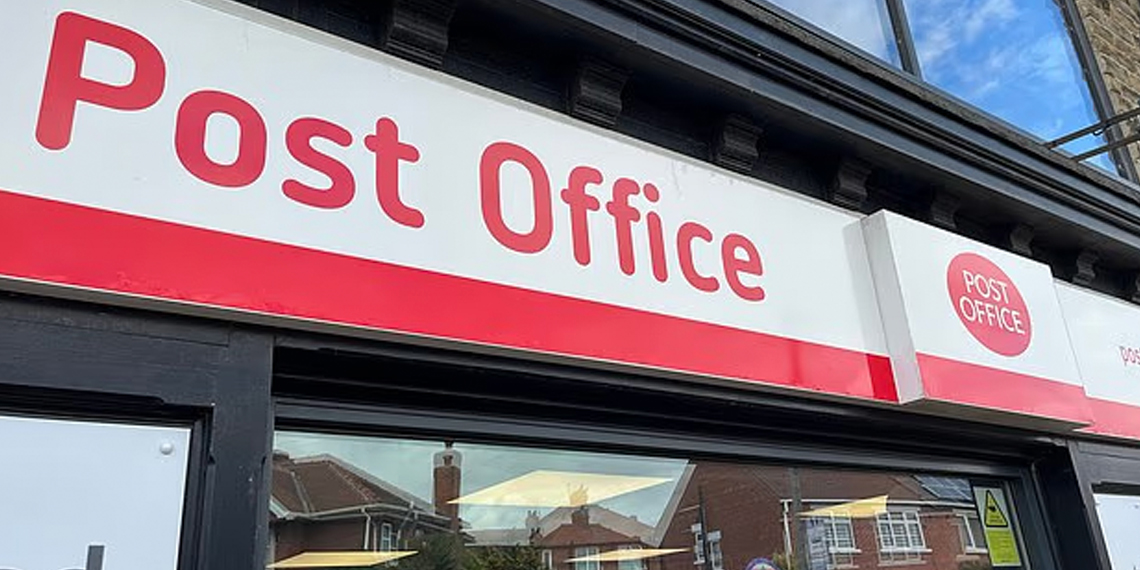
Thousands of Post Offices across Britain could face closure under Labour plans to halve the size of the network, a move expected to hit elderly residents in rural communities the hardest.
The Government has admitted that almost half of the UK’s 11,500 Post Office branches are no longer profitable, describing current subsidies as unsustainable. According to the Future of Post Office consultation, around 6,000 branches could be at risk, particularly those in villages or operating on a part-time basis.
Smaller branches that open only a few days a week or share premises with other businesses are most vulnerable. The consultation also proposes a new definition of what qualifies as a ‘branch’, meaning that drop-and-collect boxes could be counted as Post Offices — a move critics say would further undermine vital rural services.
The Government document acknowledges that Post Offices serve as crucial community hubs, especially for older residents who rely on them for social interaction and essential services such as cash, parcels, and communications. It concedes that those living in rural and isolated areas would be most affected by any large-scale closures.
The Conservative Party has launched a petition opposing the potential cuts. Shadow Post Office Minister Harriett Baldwin warned: “Post Offices are a precious part of our critical national infrastructure. Every community must have access to essential services like cash, parcels and communications.”
Many postmasters remain entangled in the fallout from the Horizon IT scandal, still awaiting compensation after years of financial and emotional hardship caused by faulty accounting software.
A Department for Business spokesperson said: “It is right to consider a range of options to secure the organisation’s long-term future, but our preference is to keep the overall size and shape of the network the same.”
The consultation, which closes tomorrow, marks a pivotal moment for Britain’s Post Office network. Campaigners warn that large-scale closures could further isolate vulnerable residents and erode one of the few remaining lifelines in rural Britain.
