
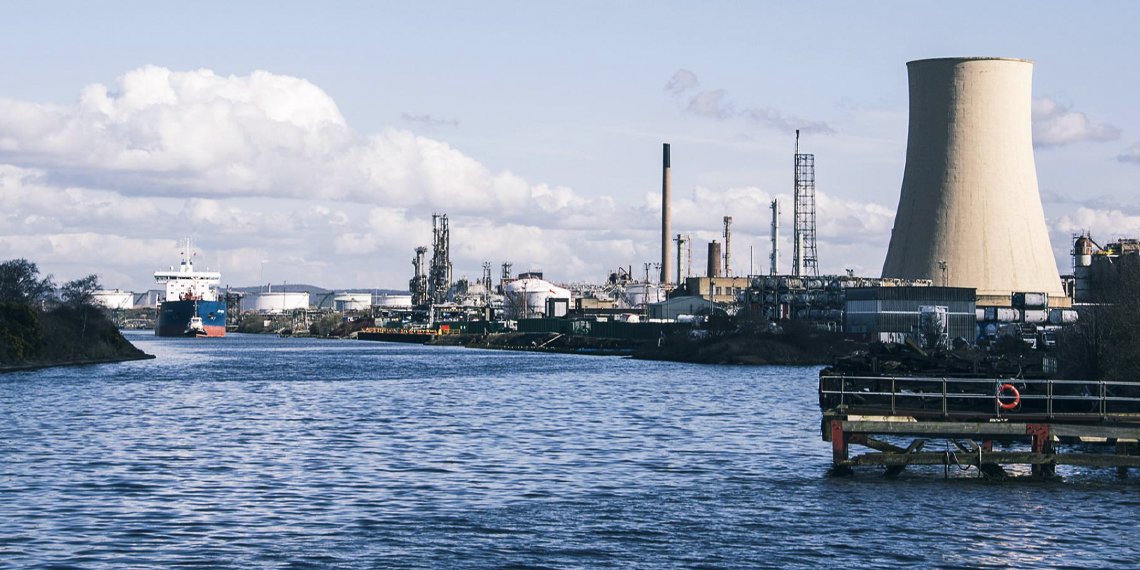
The UK Government has confirmed final contracts for two major carbon capture projects in North Wales and the North West of England, creating 500 skilled clean energy jobs and driving forward Britain’s net zero strategy.
The projects include the UK’s first carbon capture-enabled cement plant at Padeswood and one of the world’s first full-scale waste-to-energy carbon capture facilities at Protos in Ellesmere Port. Together, they will remove 1.2 million tonnes of CO₂ each year, decarbonising two of the country’s most emissions-intensive industries.
These developments are the first anchor projects to join Eni’s Liverpool Bay Transportation and Storage network, part of the HyNet carbon capture cluster. Approved earlier this year, HyNet will use new and repurposed infrastructure to transport and store captured carbon safely underground across North Wales and the North West.
The cement and waste-to-energy facilities will directly support 500 skilled jobs, including engineers, technicians, construction specialists and safety professionals. Across the wider HyNet network, a total of 2,800 roles are expected to be created.
Backed by £9.4 billion in government funding announced in the June Spending Review, these projects are a cornerstone of Britain’s Industrial Strategy. They aim to secure long-term employment in key industrial regions while establishing the UK as a global leader in carbon capture technology.
The Government said: “Our clean energy mission means good jobs, regional growth, and investment for local communities. These trailblazing projects showcase North Wales and the North West’s workforce on the global stage – leading the charge in the clean industries of the future and powering Britain’s reindustrialisation.”
The final investment decisions were signed with the Low Carbon Contracts Company, meaning construction will begin shortly. Officials emphasise that carbon capture provides a critical pathway for industries such as cement and waste, which cannot otherwise cut emissions.
By advancing these facilities, the UK is positioning itself at the forefront of the global green economy, safeguarding traditional industries, and generating export opportunities for homegrown expertise.
As Britain accelerates towards net zero, the launch of these carbon capture projects underlines a clear message: clean growth, secure jobs and industrial resilience will define the country’s green transition.
