
Concerns have emerged over how the Police Service of Northern Ireland (PSNI) used journalists’ phone numbers in surveillance operations, raising serious questions about press freedom and data protection. A new independent report revealed that PSNI unlawfully used covert powers 21 times to try to uncover reporters’ sources—double the number previously disclosed.
The 200-page report by lawyer Angus McCullough KC reviewed PSNI surveillance practices from 2011 to 2024. It concluded that surveillance of journalists and lawyers was not “widespread or systemic” but identified multiple unlawful and disproportionate practices.
Between 2011 and 2015, the PSNI unlawfully accessed communications data of eight journalists, including investigative reporter Barry McCaffrey. The force previously admitted to only 10 such attempts, but the report confirmed the number was actually 21.
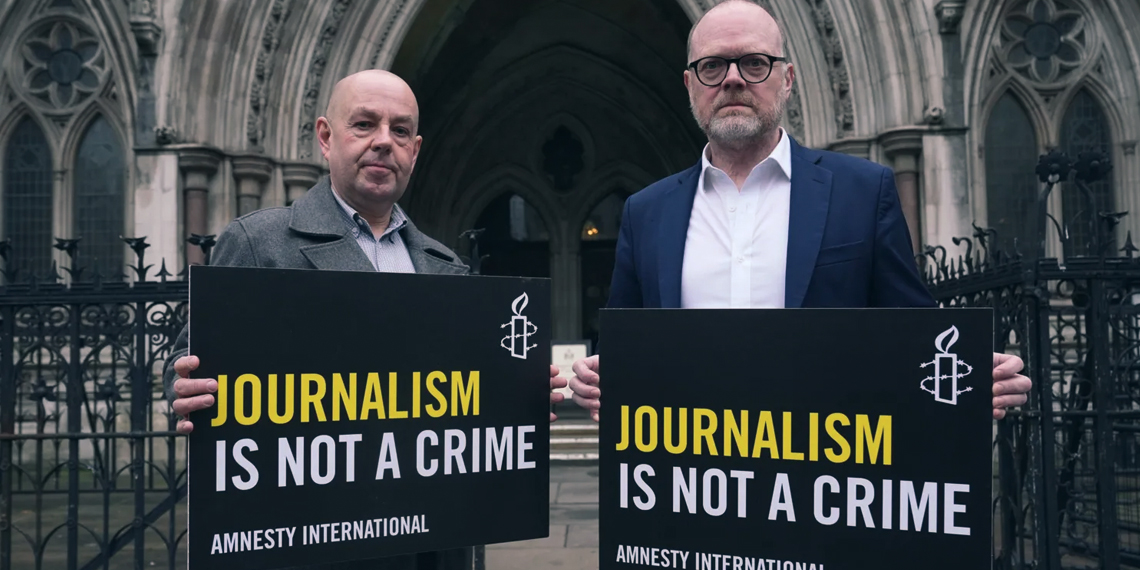
McCullough was appointed in 2023 by PSNI Chief Constable Jon Boutcher following legal action by journalists Barry McCaffrey and Trevor Birney. The pair had previously won £875,000 in damages after being arrested in connection with their 2017 documentary No Stone Unturned, which exposed failures in the investigation of the 1994 Loughinisland massacre.
Journalists’ Phone Numbers Used in Leak Checks
The report also highlighted that from 2011 to 2023, journalists’ phone numbers provided to the PSNI press office were repeatedly “washed through” internal systems. The aim was to detect any leaks by checking them against officers’ and staff communications records.
At one point in 2011, 65,000 calls were checked against 383 journalists’ phone numbers without seeking legal advice or considering privacy rights. McCullough criticized the lack of oversight, saying the practice was “neither necessary nor proportionate” and called on the PSNI to self-report to the UK’s Information Commissioner’s Office.
The practice was only formally discontinued in May 2023.
High-Profile Journalists and Lawyers Targeted
The report named investigative journalist Donal MacIntyre as having been subject to directed surveillance after posting about the case of schoolboy Noah Donohoe, whose death is under investigation. While the review found no evidence that MacIntyre’s private communications were accessed, McCullough expressed concern about the authorisation process.
Two cases of unlawful surveillance against an unnamed lawyer were also uncovered, including one incident inside a court building without proper clearance.
Wider Context and Press Freedom Concerns
The revelations come amid ongoing debates about press freedom in the UK and Ireland. The use of surveillance against journalists has long been criticized by human rights groups as undermining the protection of sources, a cornerstone of investigative reporting.
The No Stone Unturned case has become symbolic of the struggle for press freedom in Northern Ireland, with campaigners warning that such practices risk intimidating journalists and weakening public trust in law enforcement.