
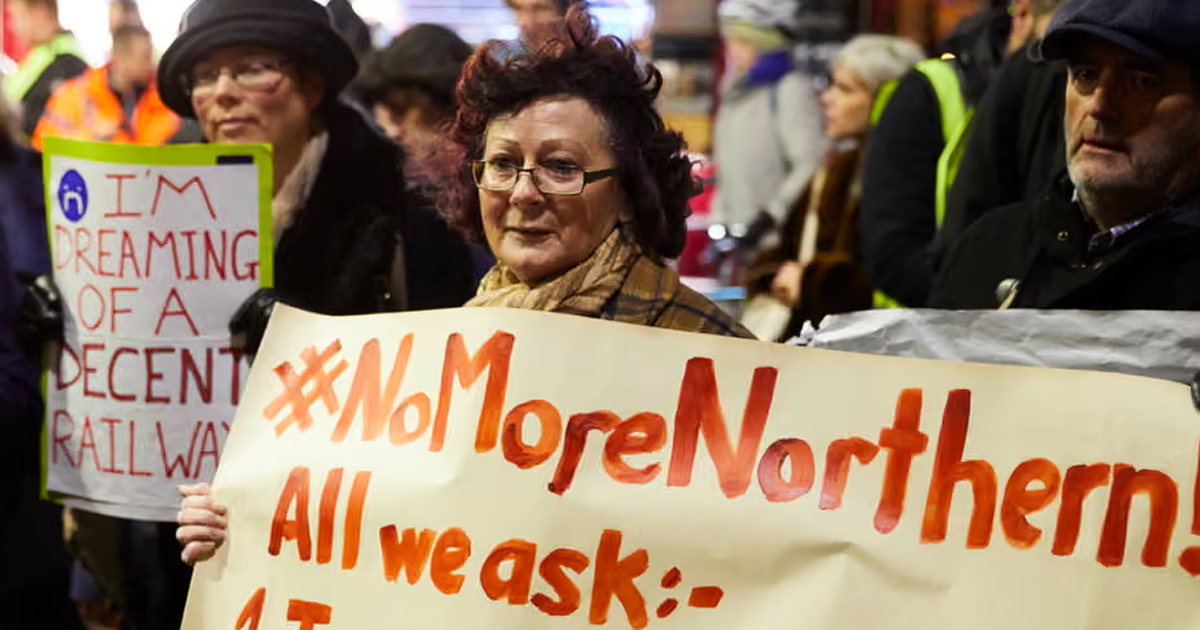
The British public has paid nearly £200bn to shareholders of privatised industries since the 1990s, according to new research, reigniting the debate over whether utilities and transport should return to public ownership.
The report, published by the thinktank Common Wealth, reveals that families are facing soaring bills and deteriorating services while dividends continue to flow to private investors. The findings have fuelled calls for greater accountability and for Labour to revisit its position on nationalisation.
The scale of the privatisation premium
Since 2010, households have been paying what researchers call a “privatisation premium” — an average of £250 per year. In total, £114.6bn has been funnelled to shareholders of energy, water, rail, bus, and mail companies over the past 14 years.
The analysis shows that at least £193bn has been distributed to investors in these sectors since privatisation began under Margaret Thatcher’s Conservative government in the 1980s and 1990s.
Water industry under scrutiny
The water sector has come under particular fire. Companies have taken on £73bn in debt while paying out £88.4bn in dividends over the past 34 years, during which record sewage spills have polluted rivers and seas. Directors at water firms received more than £660m in pay packages between 2020 and 2024.
Energy and transport profits
Energy firms also stand out: between 2020 and 2024, UK energy network companies reported operating profit margins of 55% — far higher than the FTSE 100 average of 15%. Nearly a quarter of the average household energy bill in 2024 was used to fund corporate profits.
Rail and bus services have also been under strain. Half of rail industry income in 2023-24 came from taxpayer subsidies, yet dividends still went to shareholders. One in five bus services has disappeared since 2019, and rolling stock companies have paid dividends equivalent to 102% of their post-tax profits in the past eight years.
A historic transfer of wealth
Mathew Lawrence, director of Common Wealth, said: “It was sold as the dream of a shareholder democracy but instead created the nightmare of rip-off Britain: families paying more for essential services while shareholders pocket billions.”
The report also warns that Britain’s rapid privatisation between 1981 and 1996 was one of the most radical in the developed world, comparable only to “shock therapy” privatisations in post-communist Eastern Europe.
Calls for reform and public ownership
Experts argue that public or common ownership is now necessary to meet climate goals, ensure infrastructure resilience, and cut costs. Ewan McGaughey, professor of law at King’s College London, said: “Virtually all wealthier democracies have mail, transport, energy and water in public ownership. We still do not.”
Labour has partly moved towards public control with measures such as the publicly owned GB Energy and the renationalisation of the National Energy System Operator. In cities like Nottingham and Manchester, local public ownership of bus services has already shown positive results.
The politics of privatisation
Privatisation was a cornerstone of Margaret Thatcher’s economic reforms, but public opinion has shifted sharply. A YouGov survey in 2024 found most Britons believe utilities and public transport should be state-run.
Despite this, Labour under Keir Starmer has ruled out full-scale nationalisation of the “big six” energy firms, water companies, or Royal Mail. Instead, the party has pursued partial reforms and regional public ownership projects.
Ofwat, the water regulator, maintains that companies must comply with financial rules when paying dividends, but critics argue the system still favours shareholders over consumers.
