
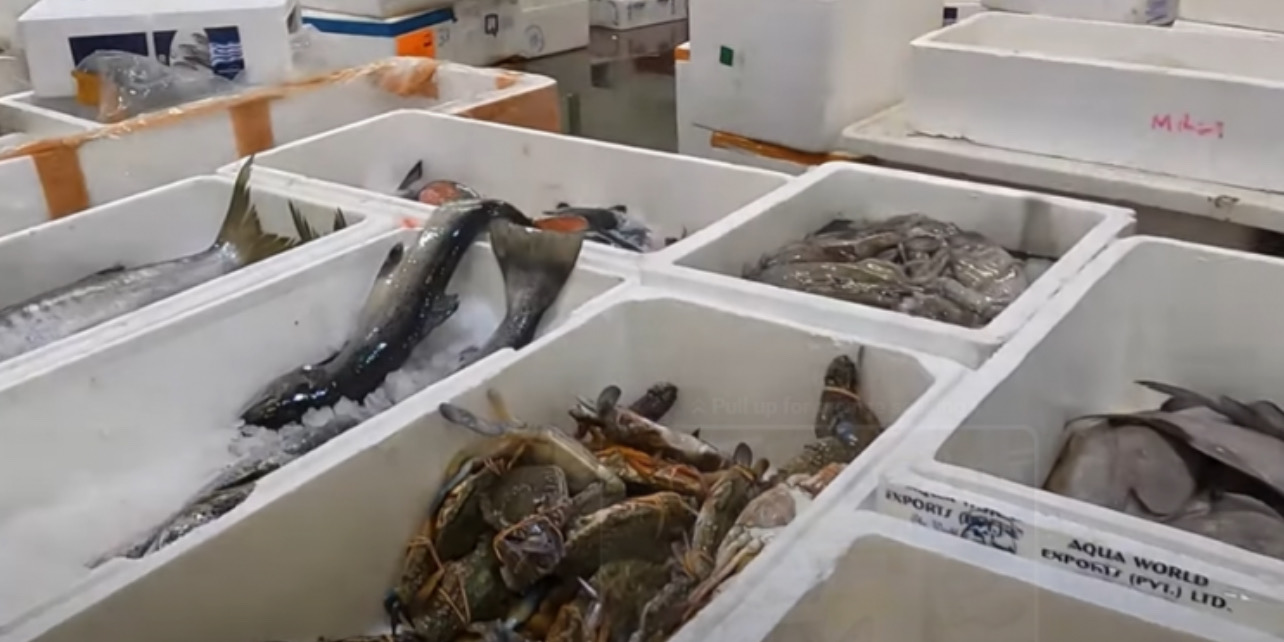
A new report has highlighted serious risks in the UK seafood supply chain, urging the government to take immediate action to prevent illegal and unethical seafood from entering the country.
Findings indicate that British consumers may unknowingly purchase seafood linked to illegal fishing, environmental damage, and human rights violations, a problem exacerbated by reduced import checks since Brexit.
The report, accompanied by the documentary “Criminal Catches: How to Stop the Supply of Illegal Seafood to the UK”, was produced by the Coalition for Fisheries Transparency, which includes the Environmental Justice Foundation (EJF) and Open Seas. These organisations advocate for sustainable fishing and responsible seafood sourcing.
Based on official UK data and years of investigative research, the findings reveal troubling links between UK seafood imports and illegal, unreported, and unregulated (IUU) fishing, particularly involving China’s distant-water fishing fleet. These vessels have been associated with environmental harm as well as serious human rights abuses, including forced labour, human trafficking, and modern slavery.
Despite receiving around 1,000 catch certificates annually from China—representing approximately 58,000 tonnes of seafood—the UK has rejected only four consignments since 2012. The EJF warns this suggests that imports are not being adequately screened, leaving consumers exposed to products of dubious origin.
The report further notes that since leaving the EU, the UK has significantly reduced inspections on imported seafood. This regulatory gap leaves authorities effectively unable to trace the origins of fish and seafood products, increasing the risk of human rights violations and ecosystem damage reaching British consumers.
In 2024, more than a quarter of UK seafood imports originated from countries flagged with a “yellow card” warning by the European Commission for failing to properly address IUU fishing.
The EJF emphasises that the UK has a critical role in shaping global fishing standards, as over 80% of seafood consumed in the country is imported. By restoring robust monitoring and enforcing ethical and environmental standards, the UK could protect its market from illegally caught fish, promote human rights at sea, and safeguard marine ecosystems for the future.
The report calls for urgent government intervention, including adequate funding for the Department for Environment, Food and Rural Affairs (DEFRA) and the Marine Management Organisation (MMO), to restore monitoring and reporting capabilities and ensure all seafood entering the UK complies with environmental and ethical regulations.
