
A growing number of disabled doctors say the National Health Service (NHS) is failing to provide them with reasonable support, pushing many to consider leaving the profession. A new survey by the British Medical Association (BMA) found that more than half of disabled and neurodivergent doctors believe ableism is a bigger issue within medicine than in wider society.
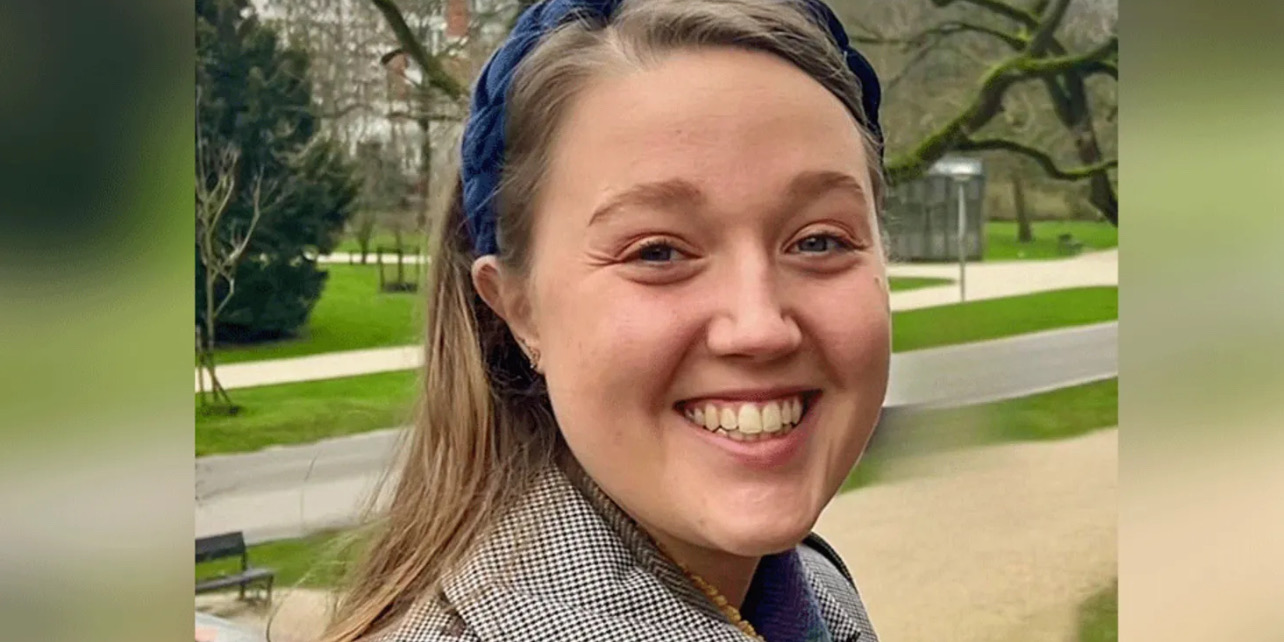
Dr Alice Gatenby, a south Wales-based doctor with epilepsy, revealed that senior colleagues have dismissed her as “not a real doctor” because she cannot work night shifts. “The irony of a healthcare system being unwilling to make small adjustments for someone with epilepsy isn’t lost on me,” she said. “It feels like the system sees supporting me as too difficult or inconvenient, even if it means losing someone capable and passionate about caring for patients.”
Doctors Leaving NHS Due to Barriers
The BMA survey revealed that 53% of respondents had either left medicine in the past two years or seriously considered it. More than a third reported bullying or harassment linked to disability, neurodivergence, or chronic health conditions.
Norfolk-based Dr Liz Murray, who has lupus, severe endometriosis, and hip problems, left the NHS after requests for flexible working were denied. “I was seen as the problem. I realised how much of a toll it was taking on my health and had to say enough is enough,” she said. Dr Murray now works as a locum for greater flexibility and has founded a charity, Mortal and Strong, to support those with chronic illnesses.
Calls for Inclusive Support
Despite doctor shortages, many disabled doctors feel excluded due to rigid rota systems. Dr Gatenby explained she must repeatedly prove her disability to panels every year. “If I were a teacher, I wouldn’t need to go through this lengthy process,” she said.
The BMA is pushing for reforms, stressing that appropriate support is not only a legal obligation under the Equality Act but also essential to retaining skilled doctors. BMA Chairman Dr Amit Kochhar stated: “Disabled doctors and medical students are present at every level of the profession. A lack of disability and neurodiversity awareness, coupled with discrimination and stigma, can significantly impact their careers.”
Welsh Government Response
The Welsh government insisted that all NHS organisations are legally required to promote inclusion and provide reasonable adjustments. NHS Wales Shared Services Partnership echoed this, stating it works with health boards to implement necessary support, including rota and shift pattern changes.
However, advocacy groups like Disability Wales warn the issue is wider than staffing alone. “Without the inclusion and representation of disabled people in all areas of life, society-wide empathy and accessibility will never be achieved,” said Leandra Craine.
