
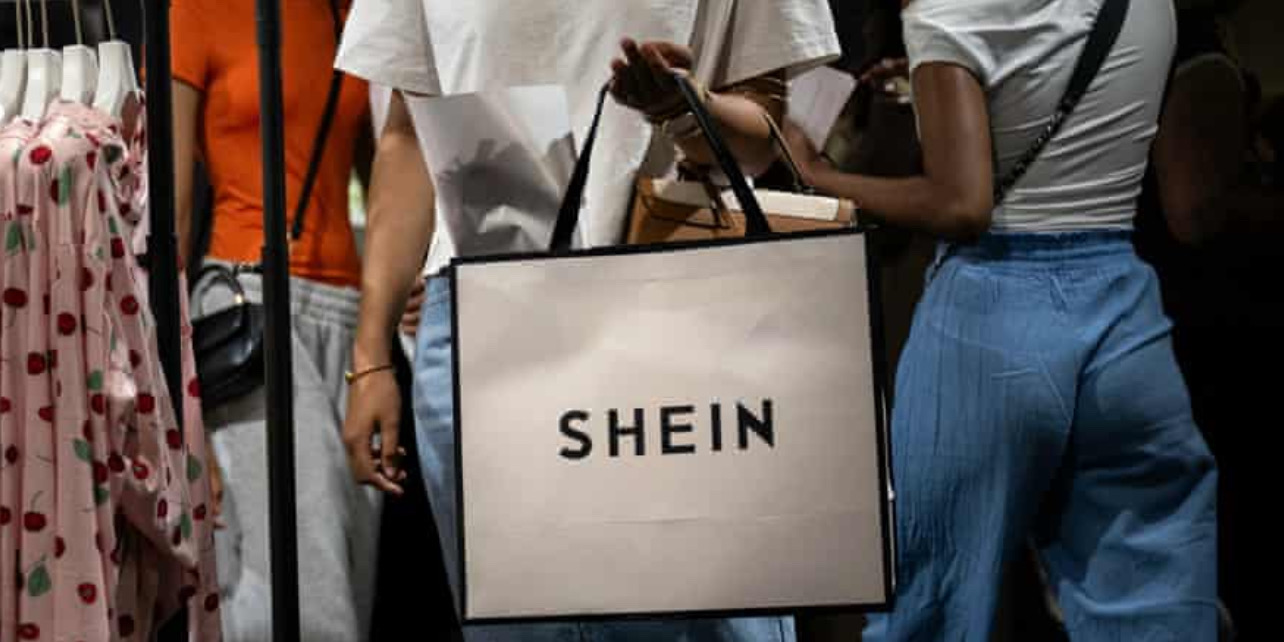
Fast-fashion giant Shein is facing fresh criticism in the UK after campaigners accused its British arm of transferring the “vast bulk of income” to its Singaporean parent company in order to slash its tax bill. The claims come as the retailer, once considering a £50 billion London Stock Exchange float, is now expected to pursue a Hong Kong listing.
According to accounts filed at Companies House, Shein UK generated £2 billion in sales in 2024 but paid just £9.6 million in corporation tax. That figure reflects 25% of its £38.2 million pre-tax profits, in line with the UK tax rate. However, critics argue the bill is disproportionately low compared to its huge revenues.
Shein’s Income Transfer to Singapore
Campaigners highlighted that around 84% of Shein’s UK sales — roughly £1.72 billion — was shifted to its parent group Roadget Business Pte Ltd in Singapore as a so-called “purchasing cost.” This left only a fraction of the company’s earnings taxable in Britain.
Paul Monaghan, Chief Executive of the Fair Tax Foundation, compared the strategy to controversial tax practices once used by tech giants Amazon, Apple, and Microsoft. He warned that the fast-fashion industry risks becoming the “new wild west for tax.”
Singapore’s corporate tax incentives are significantly lower than the UK’s, with Shein’s parent reportedly paying an average effective tax rate of just 9.4% between 2021 and 2023.
Shein Rejects Allegations
Shein strongly denied any wrongdoing, calling the allegations “preposterously wrong.” A company spokesperson said its UK operations purchase products from its parent company “at arm’s length” prices consistent with global market conditions, stressing that the brand operates in a “low-margin, high-volume industry.”
“Shein complies with all relevant tax laws and regulations in every market,” the spokesperson added.
Customs Duty Loophole Under Review
Beyond corporation tax, Shein has also come under scrutiny for using the UK’s de minimis rule, which exempts goods under £135 from customs duty when shipped directly to consumers. Campaigners estimate the retailer may have avoided as much as £200 million in customs duties through this loophole.
UK Chancellor Rachel Reeves is now reviewing the exemption, following similar moves by the US and the EU. Recent data revealed that small parcels from China — worth £3 billion — made up 51% of all low-value imports into the UK last year, up from 35% the year before.
