
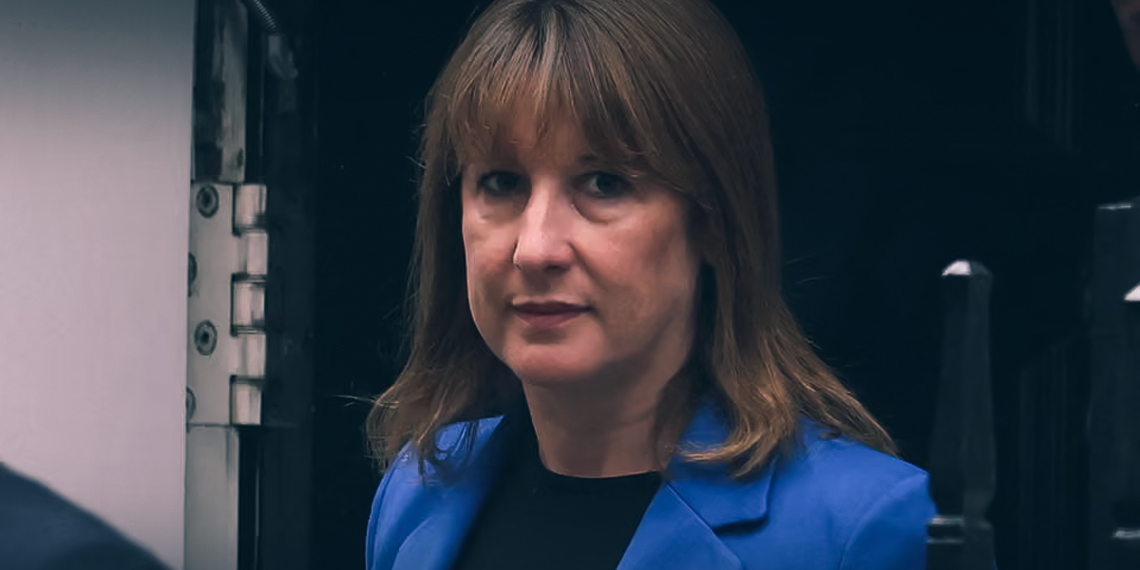
Britain’s long-term borrowing costs have surged to their highest level in nearly three decades, adding fresh pressure on Chancellor Rachel Reeves ahead of the crucial autumn budget.
The yield on 30-year UK government bonds rose to 5.723% on Tuesday, surpassing the previous 27-year peak of 5.649% set in April. Rising yields mean higher borrowing costs for the government, a worrying signal for the Treasury as fiscal headroom tightens.
Bond yields climb when prices fall, reflecting the interest rates demanded by investors lending to governments or companies. Analysts say the sharp rise has been fueled by persistent inflationary pressures and global sell-offs in long-dated government debt.
Pressure on the Treasury and the Pound
The increase in borrowing costs comes as Reeves prepares the autumn budget, where economists expect possible tax hikes of £18–28 billion to keep the government’s fiscal rule intact. City consultancy Capital Economics has suggested Reeves needs to raise billions in revenue to ensure debt begins falling within five years.
The pound also weakened sharply on Tuesday, falling 1.8 cents against the US dollar to $1.3365 — its steepest daily drop since April. Investors expressed concern that higher taxes or welfare cuts could stall growth while doing little to ease fiscal pressures.
Concerns Over Tax and Spending Plans
Market analysts warn that speculation over new taxes — including possible levies on high-value property sales or rental income — has rattled bond investors. Without credible spending controls, experts caution the UK risks sliding into a worsening fiscal position.
“Gilt yields have risen again in recent days, reflecting concerns that further tax increases could damage growth, add to inflation, and still leave a sizeable hole in the public finances,” said Mark Dowding, chief investment officer at RBC BlueBay Asset Management.
Opposition to potential welfare cuts has added to political risks, complicating the government’s options.
Global Markets and Investor Reaction
The surge in UK borrowing costs mirrors similar moves across Europe. France’s 30-year bond yields hit their highest level since 2009, while German and Spanish markets also recorded losses.
Meanwhile, investors turned to precious metals as safe havens. Gold hit a new record of $3,508 (£2,607) per ounce, while silver climbed above $40 for the first time since 2011.
London’s FTSE 100 slipped 0.7%, with retailers and property firms among the biggest fallers. Broader European indices saw sharper declines, reflecting widespread anxiety over fiscal sustainability.
For Reeves, the challenge is mounting: balancing tax policy, spending controls, and investor confidence as borrowing costs rise to levels not seen since 1998.
