
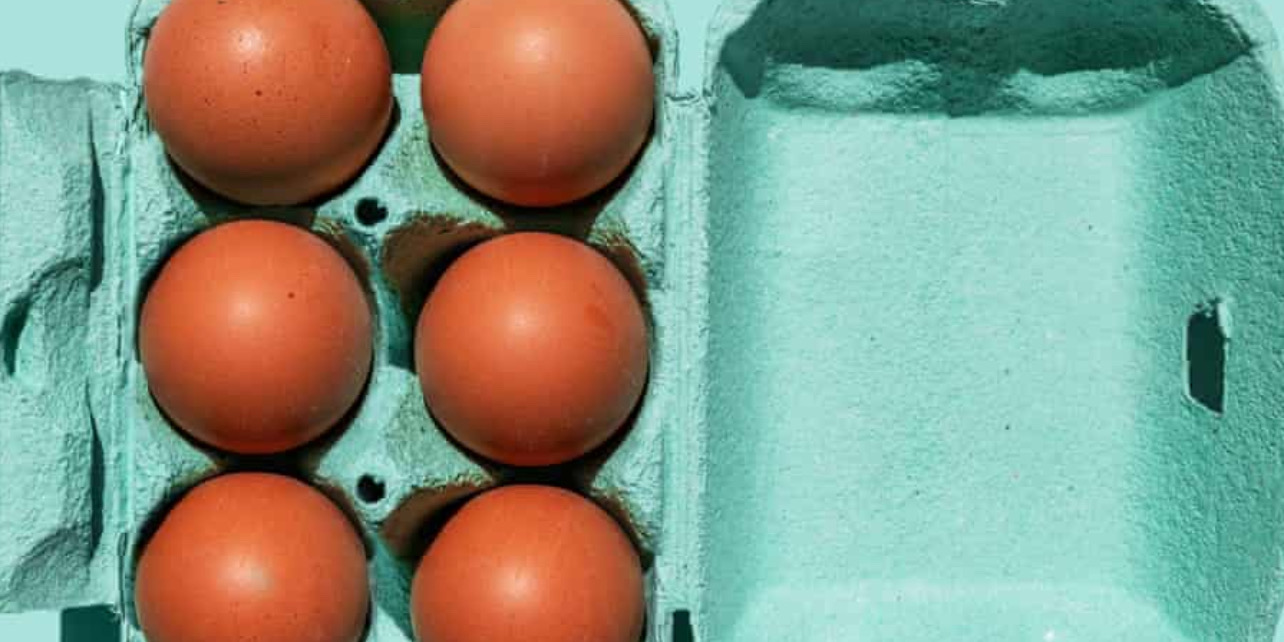
The cost of everyday essentials such as eggs, butter, and chocolate has jumped sharply, fuelling UK food inflation and adding pressure to already stretched household budgets.
According to the British Retail Consortium (BRC), food inflation rose to 4.2% in August, up from 4% in July, marking the fastest pace of increase in 18 months and the highest rate since February 2024.
Rising Costs of Staples
BRC chief executive Helen Dickinson said the increase was driven by high demand, tightening supply chains, and rising labour costs. “Staples such as butter and eggs saw significant increases,” she explained, while cocoa shortages from poor harvests pushed up chocolate prices.
Overall shop price inflation rose to 0.9% in August, even as non-food products dropped by 0.8%. Dickinson warned that new costs facing the retail sector—estimated at £7 billion following tax and wage changes in the last autumn budget—were likely to add more pressure.
Retailers Warn of Higher Inflation
More than 60 retail bosses from major chains including Tesco, Sainsbury’s and Boots have warned Chancellor Rachel Reeves that further tax rises in the upcoming autumn budget could worsen inflation and undermine plans to boost living standards.
The BRC predicts food inflation could reach 6% later this year. Mike Watkins of NIQ said seasonal weather effects, global supply chain costs, and the end of promotional deals had also driven the latest uptick.
“With households returning from summer holidays, many will have to reassess budgets in response to rising bills,” Watkins said.
Broader Inflation Pressures
Official figures showed UK inflation rose to 3.8% in July, above economists’ expectations, marking the tenth consecutive month above the Bank of England’s 2% target. Food and non-alcoholic beverage prices were up 4.9% year-on-year, compared to 4.5% in June, with beef, coffee, chocolate, and orange juice among the largest risers.
Climate-related challenges, including droughts in Spain, Italy and Portugal—key suppliers of fruit and vegetables to the UK—have further driven prices higher at a time of year when they usually fall.
Energy Bills to Rise Again
The squeeze on UK households is set to intensify with rising energy bills. Ofgem is expected to raise the energy price cap by 1% in October, increasing the annual dual-fuel bill to £1,737 from £1,720.
Charities warn the change could leave millions unable to cope. Simon Francis of the End Fuel Poverty Coalition said households were still paying 67% more for energy compared with 2020-21. The group estimates 12.1 million households are struggling to afford their bills.
“We are now approaching the fifth winter of the energy bills crisis, and the time for tinkering with the price cap is over,” Francis said.
