
The Home Office has confirmed plans for a “big surge” in asylum hotel closures in the new year, as the government faces mounting political pressure over immigration policies and the handling of asylum seekers.
According to officials, five more hotels are due to shut in the coming months, with ministers aiming to phase out hotel use entirely. The closures are part of a broader effort to cut costs and reduce reliance on temporary accommodation for asylum seekers.
Home Office Highlights Progress
Home Office Minister Angela Eagle said the government had inherited a “border security system in tatters” from its predecessors but stressed that progress was already visible.
She highlighted savings of £1 billion in asylum accommodation costs last year, a further £1 billion forecast for next year, and a 16% drop in the number of asylum seekers housed in hotels. The total has fallen from 400 hotels at a peak in 2023 to just over 200 now.
Eagle argued that while opposition parties offered “back-of-the-fag packet plans,” the current government is delivering “serious and sustainable” reforms, including faster deportations and new laws targeting foreign offenders.
Farage Pushes Hardline Deportation Plans
The announcement coincides with Reform UK leader Nigel Farage unveiling proposals for mass deportations, military base detention of new arrivals, and an expansion of flights to Rwanda and other partner countries.
Farage also vowed to withdraw the UK from the European Convention on Human Rights and replace the Human Rights Act with a new bill prioritising British citizens’ rights. Critics, however, dismissed his plans as “unworkable.”
Poll Shows Labour Pressure
A YouGov poll for The Times revealed that 71% of voters believe Labour leader Keir Starmer is mishandling the asylum hotel crisis, including many Labour supporters. The findings have intensified pressure on ministers to deliver results before the winter, when immigration and asylum issues become politically charged.
Rising Protests and Legal Challenges
Public anger over asylum accommodation has been further inflamed by violent incidents and high-profile criminal cases involving migrants. Protests outside hotels have grown, with Scottish Conservative leader Russell Findlay defending demonstrations as “lawful and justified.”
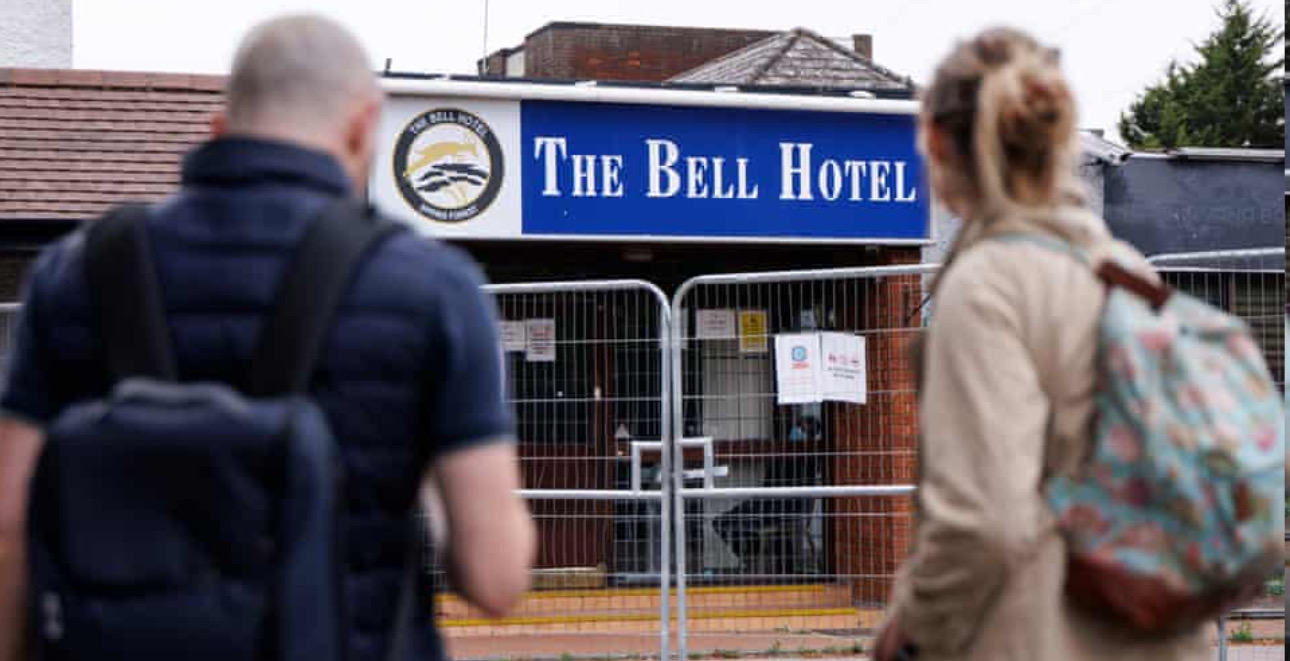
Meanwhile, a high court ruling ordering the removal of asylum seekers from the Bell Hotel in Essex has emboldened Conservative-led councils to mount further legal challenges. Tory leader Kemi Badenoch is due to meet councillors and legal experts this week to coordinate action against hotel use.
Government Expands Deportation Partnerships
Despite criticism, the government points to international agreements with France, Bulgaria, Romania, India, Vietnam, and Iraq as proof of progress. A UK-France treaty has already resulted in more detentions, while the “deport now, appeal later” scheme has expanded to 23 countries, with 66 charter flights removing hundreds of individuals, including serious offenders, in the past year.
The Home Office insists the strategy marks “tangible progress,” even as critics highlight delays in processing asylum claims and challenges in finding long-term housing.
