
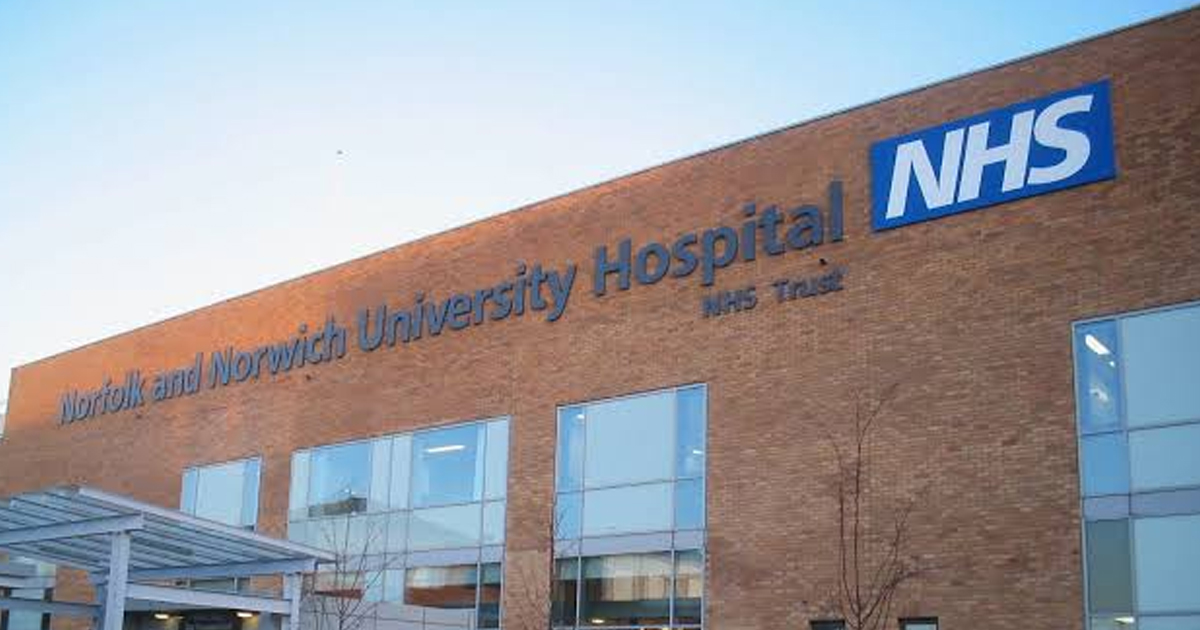
Private school pupils have been barred from taking part in official work experience schemes at some of the UK’s largest NHS hospital trusts, sparking controversy over access to medical careers.
Schemes at top London hospitals, including Barts and University College London Hospital (UCLH), are reportedly restricted to children from local state schools. The British Medical Association (BMA) advises aspiring doctors that clinical work experience is essential for securing a place on university medical courses, raising concerns that the restrictions could harm future applicants.
NHS trusts restrict private school access
A student from Emanuel School in south London was told by King’s College Hospital Trust that private school pupils were not eligible for its placements, even if they lived locally. A King’s College Hospital spokesperson said that of the 396 placements offered in 2024, the vast majority went to state school students.
At Barts Hospital, placements for private school pupils are reportedly only available if referred by a member of staff, while UCLH states on its website that it only accepts work experience students through partnerships with the Social Mobility Foundation and “selected local schools.” Exceptions may be made for relatives of staff members.
Labour’s private school policy adds pressure
The controversy comes amid Labour’s wider crackdown on private schools. Chancellor Rachel Reeves introduced a 20% VAT charge on private school fees in January 2025. The policy has led to an unexpected drop in pupil numbers, four times higher than government forecasts, and has triggered several school closures.
While the government had expected £200 million in VAT revenue, much of it has failed to materialise, and taxpayers now face an additional £90 million per year to support private pupils moving into state schools. Critics argue that Labour’s policy is punishing families and forcing pupils into an already overstretched public education system.
Bursary pupils hit hardest
Critics also warn that blanket restrictions unfairly penalise students from disadvantaged backgrounds who attend private schools on bursaries. Gordon West, head of careers at Stowe School, highlighted the case of one pupil on a 100% bursary who was denied access to medical work experience.
“This young woman is not from a wealthy background at all; she’s from one of the highest priority groups there are,” he said. “By excluding private school pupils, policies like those at King’s College also shut out bursary students from low-income families.”
The case has intensified the debate over equality of opportunity and whether NHS trusts should take school type into account when offering vital career experience.
