
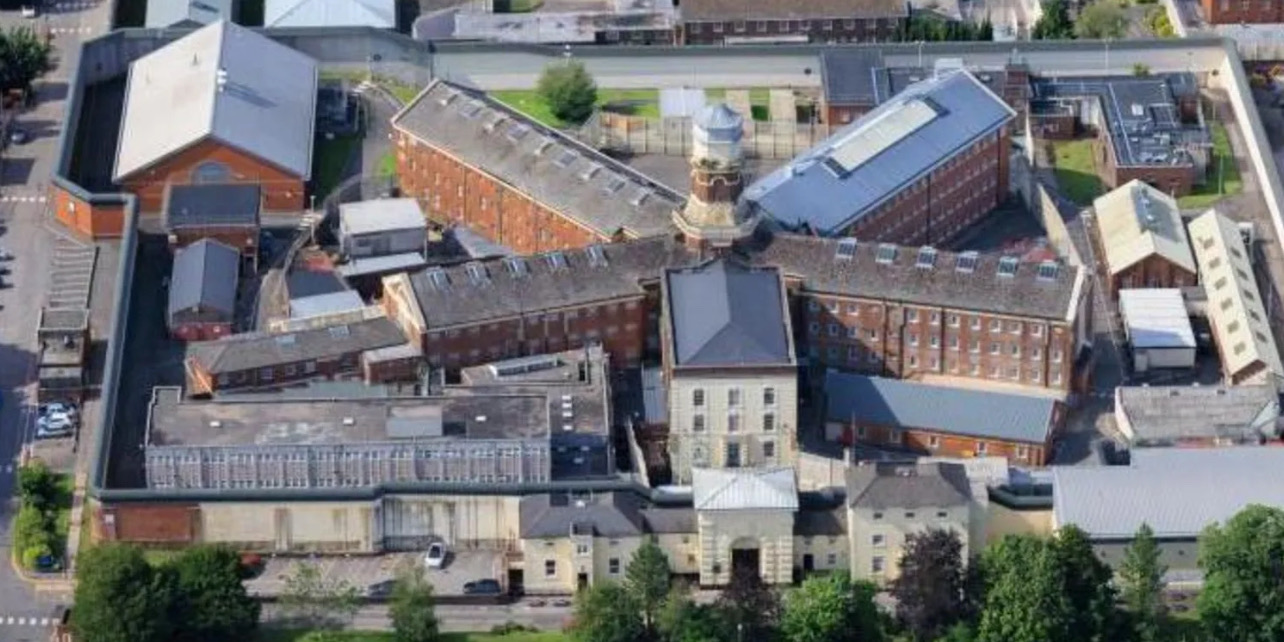
A damning investigation has revealed that Daniel Ayers, a 43-year-old inmate with severe mental illness, died by suicide at HMP Winchester after being denied essential mental health medication and care. The Prisons and Probation Ombudsman (PPO), Adrian Usher, confirmed that Ayers received no antidepressants or antipsychotic drugs during his month in custody, despite a known diagnosis of schizophrenia and a history of suicide attempts.
Ayers, from Dorchester in Dorset, was found dead in his cell on 25 July 2021, less than four weeks after being remanded on a charge of threatening a police officer with an imitation firearm. According to the report, he had become withdrawn and dishevelled, wearing only a blanket in his final days. Yet he was never assessed for mental health needs, despite being referred four times.
Medication Stopped Without Review
Prior to his incarceration, Ayers was prescribed a combination of methadone, antidepressants, antipsychotics, and diazepam. However, prison staff flagged the drug combination as risky and discontinued several medications without consulting his prior medical records or speaking with him. His diazepam dosage was also reduced without any discussion or consideration of the consequences.
“These actions deprived Mr Ayers of critical psychiatric support,” the ombudsman reported. “His condition visibly declined, but staff failed to initiate any self-harm monitoring protocol.”
Neglect and Staff Failures Cited
The report singles out a nurse employed by prison healthcare contractor PPG, who repeatedly closed Ayers’ mental health referrals without conducting assessments. That nurse has now been referred to professional regulators for further investigation.
An inquest held in January 2025 determined that Ayers’ death was “exacerbated by COVID-related restrictions,” including reduced staffing and infection control protocols that worsened prisoner isolation and mental health risks.
Prison Reforms Introduced
Following Ayers’ death, HMP Winchester has implemented new staff training and enhanced mental health procedures, according to the ombudsman’s conclusions. The Prison Service has yet to issue a comment on the findings.
This tragic case underscores ongoing concerns about the treatment of mentally ill prisoners in UK jails, particularly during and after the COVID-19 pandemic.