
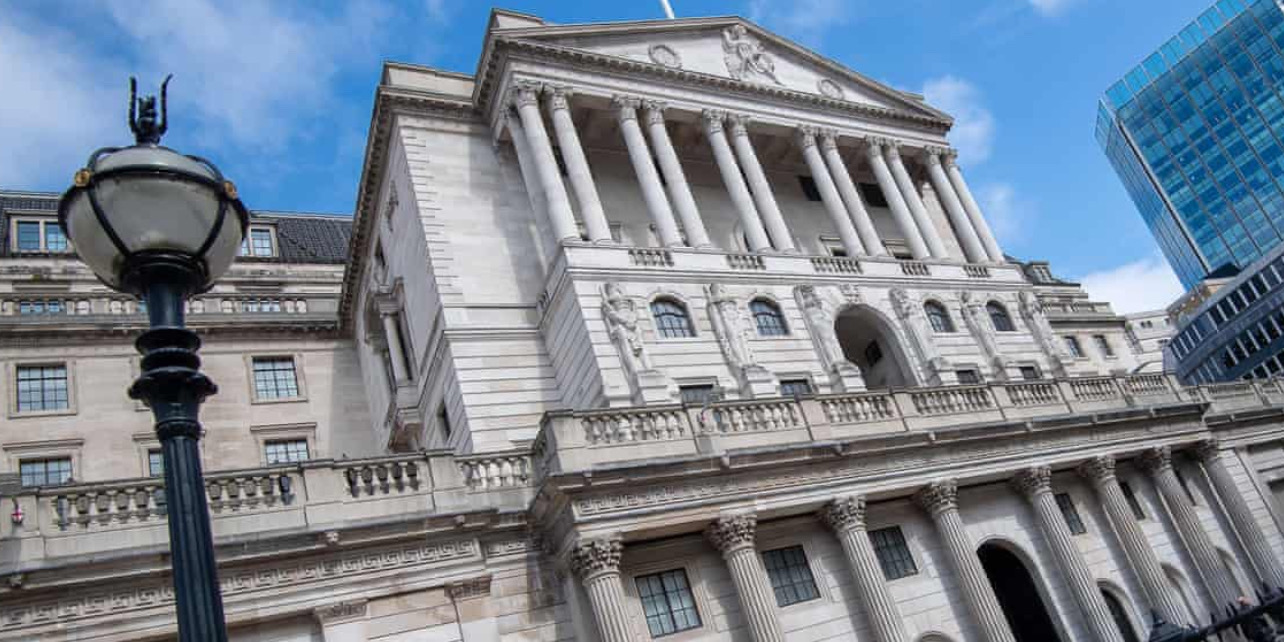
The Bank of England is expected to reduce interest rates this week in a move aimed at shielding the UK economy from slowing growth, increasing unemployment, and the global trade disruption triggered by new US tariffs under President Donald Trump.
Analysts widely anticipate that the Bank’s Monetary Policy Committee (MPC) will lower the base rate by 0.25 percentage points to 4% on Thursday. This would mark the fifth cut since August last year, returning rates to their March 2023 levels. Market forecasts place the likelihood of a rate cut above 80%, with expectations of a further reduction by the end of the year.
Lower interest rates would offer a boost to the economy by easing mortgage costs for homeowners and reducing borrowing pressures for UK businesses facing financial strain. Chancellor Rachel Reeves is likely to support the move as part of broader efforts to encourage investment and support struggling sectors.
However, the rate decision comes at a time of increasing economic uncertainty. The UK economy contracted by 0.1% in May and 0.3% in April, with experts pointing to the impact of US trade policies and additional business taxation introduced in the autumn budget, which came into effect in April.
Job market indicators have also weakened. The national unemployment rate has risen to 4.7% in the three months to May—the highest figure since mid-2021—while job vacancies have now dropped below pre-pandemic levels, suggesting reduced business confidence and slowing hiring activity.
Compounding the economic challenges, President Trump recently signed a trade agreement with the UK to cap most tariffs at 10%. Despite this, the US administration later announced a new round of global import tariffs of up to 50%, dealing a fresh blow to global trade and investor sentiment.
The International Monetary Fund (IMF) has forecast sluggish growth for the UK, estimating just 0.1% GDP growth in the third and fourth quarters of the year. A modest recovery to 0.3% growth is projected for 2026.
The Bank of England is also expected to issue updated economic forecasts alongside the interest rate decision. These could point to an extended period of stagflation—a scenario where economic growth stagnates while inflation remains high.
Inflation, as measured by the Consumer Prices Index (CPI), rose to 3.6% in the year to June, remaining significantly above the Bank’s 2% target. Rising prices for everyday essentials such as meat and butter have contributed to the increase, outpacing earlier projections.
Although wage growth has started to cool, rising food costs continue to influence household expectations about future inflation. This remains a critical factor for the MPC in assessing the risk of persistent inflationary pressure.
The vote within the MPC may not be unanimous. With core inflation still elevated and food prices surging, some members may resist further rate cuts, opting instead to wait for clearer signs of inflation easing.
The economic outlook for the UK remains uncertain, with the central bank facing the complex challenge of supporting growth without fuelling inflation. Thursday’s decision will be closely watched by financial markets, households, and businesses alike as they navigate a volatile global environment.
