
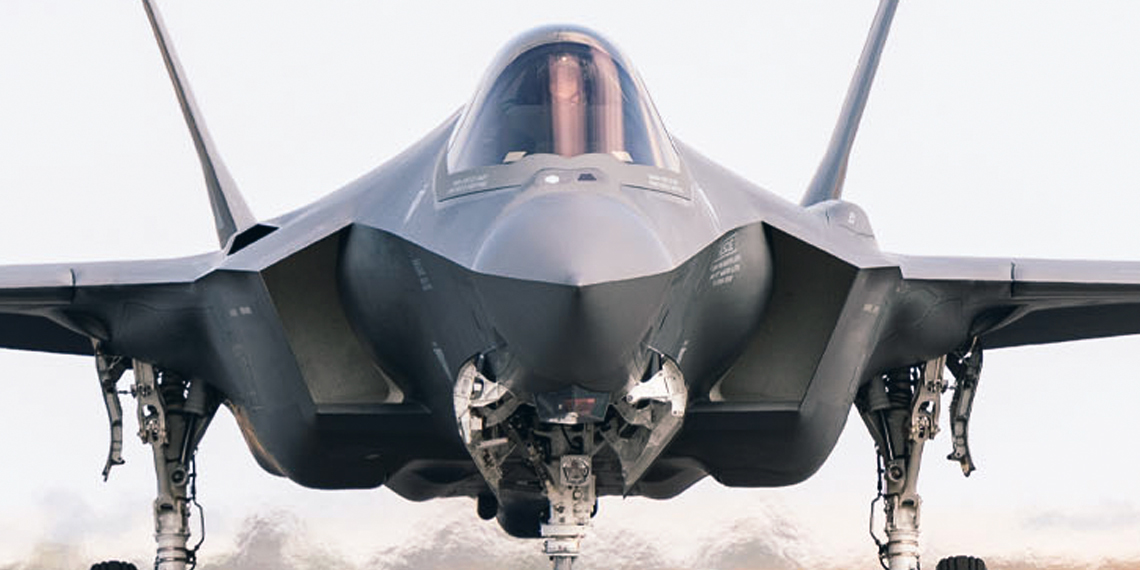
The High Court in London has ruled that the UK government acted lawfully in continuing the supply of F-35 fighter jet components to Israel through an international logistics programme, despite concerns over potential violations of international humanitarian law.
The legal challenge was brought by Palestinian human rights organisation Al-Haq, which contested the government’s decision to exclude these components from a wider suspension of arms export licences to Israel in September last year. The suspension covered 30 other licences, but not the F-35 parts, which are part of a global supply chain involving multiple countries, including the United States.
Al-Haq argued that the carve-out of the F-35 parts contradicted the UK’s obligations under both domestic and international law, particularly given the risk of the aircraft being used in breaches of humanitarian law. The organisation claimed that the Secretary of State failed to properly assess these risks and gave disproportionate weight to national security concerns.
The court, however, rejected all 13 grounds presented in the case, concluding that the government followed a lawful and rational process in maintaining the exemption for the F-35 programme. The judges found that such decisions fall within the remit of the executive, which is accountable to Parliament and the electorate, rather than the judiciary.
The UK government had argued that withdrawal from the F-35 joint strike fighter programme would damage national security and weaken its defence relationship with key allies, including the United States and NATO, during a period of heightened global instability.
Despite acknowledging the serious concerns raised, the court declined to assess the government’s evaluation of the risk of genocide or broader compliance with international law in relation to the supply of F-35 parts.
Legal representatives for Al-Haq expressed disappointment with the ruling and indicated their intention to appeal. Human rights experts have raised broader concerns about the implications of the court’s decision, warning that it highlights a significant gap in legal accountability when it comes to government actions on foreign policy and arms exports.
The case has drawn widespread public and political attention, further fuelling debate about the transparency and ethics of the UK’s arms trade policies, particularly in conflict zones.
