
The United Nations High Commissioner for Human Rights has criticized the UK Government’s decision to ban the activist group Palestine Action, describing the move as a troubling misuse of counter-terrorism legislation.
Volker Türk, who has held the UN human rights role since 2022, urged British authorities to reverse the proscription, calling it both disproportionate and unnecessary.
The group was officially banned under the Terrorism Act 2000 earlier this month, following claims by activists that they were responsible for spraying red paint on two military aircraft, reportedly causing £7 million in damage.
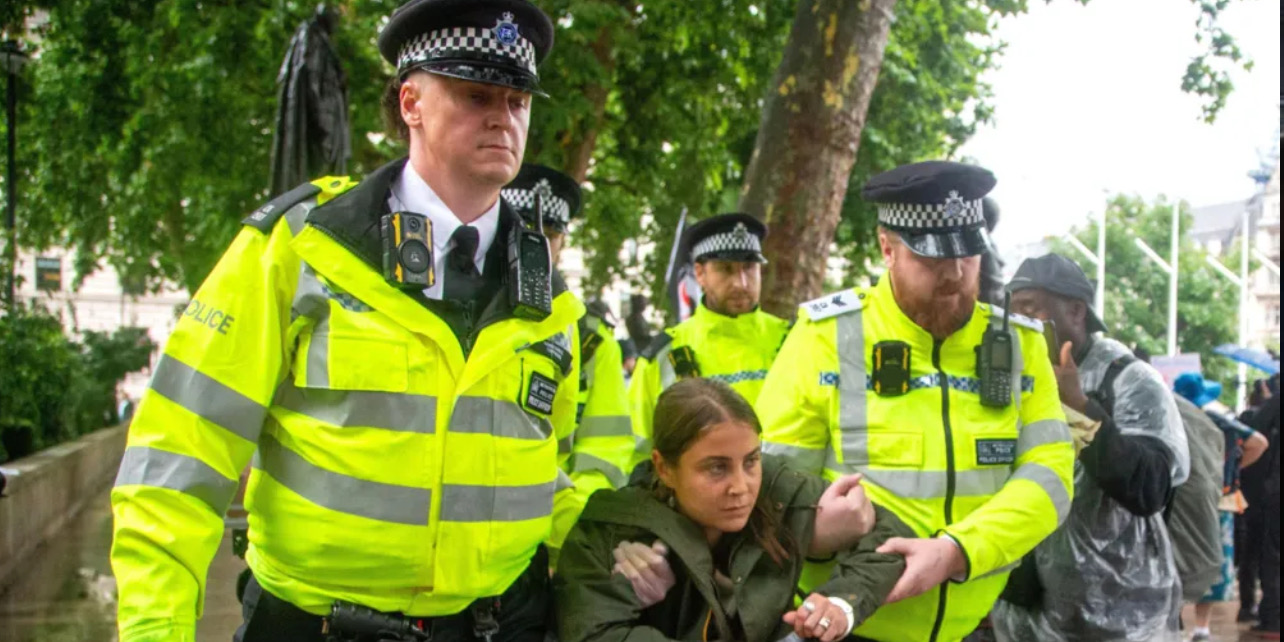
As a result of the ban, any form of membership or support for Palestine Action now constitutes a criminal offence punishable by up to 14 years in prison. Over 170 individuals have already been arrested under the Act since the prohibition came into effect.
Türk raised concerns that the ban infringes on fundamental rights such as freedom of expression, peaceful assembly, and association. He warned that it targets individuals who have not engaged in criminal activity but who support the group’s cause, potentially breaching the UK’s obligations under international human rights law.
Palestine Action has focused its campaign efforts on British arms manufacturers, particularly since the escalation of the conflict in Gaza. The UK Parliament approved the decision to proscribe the group on 2 July after an incident at RAF Brize Norton in Oxfordshire, where two Voyager aircraft were defaced. The aircraft were reportedly used in operations supporting the Israeli military.
Legal proceedings are ongoing, with several prosecutions related to Palestine Action’s activities between 2022 and 2024. Four individuals charged in connection with the Brize Norton incident are due to stand trial next year.
Türk also criticized the UK’s broad interpretation of terrorism, which includes serious property damage. He argued that international standards limit the definition of terrorism to acts intended to cause death, serious injury, or hostage-taking for the purpose of intimidating the public or pressuring a government.
He stated that expanding the definition to cover non-violent protest risks undermining the seriousness of genuine terrorist threats and misapplies counter-terrorism law.
The UK Home Office has not yet issued a public response, while the High Court is expected to deliver a judgment on the legality of the ban later this month.