
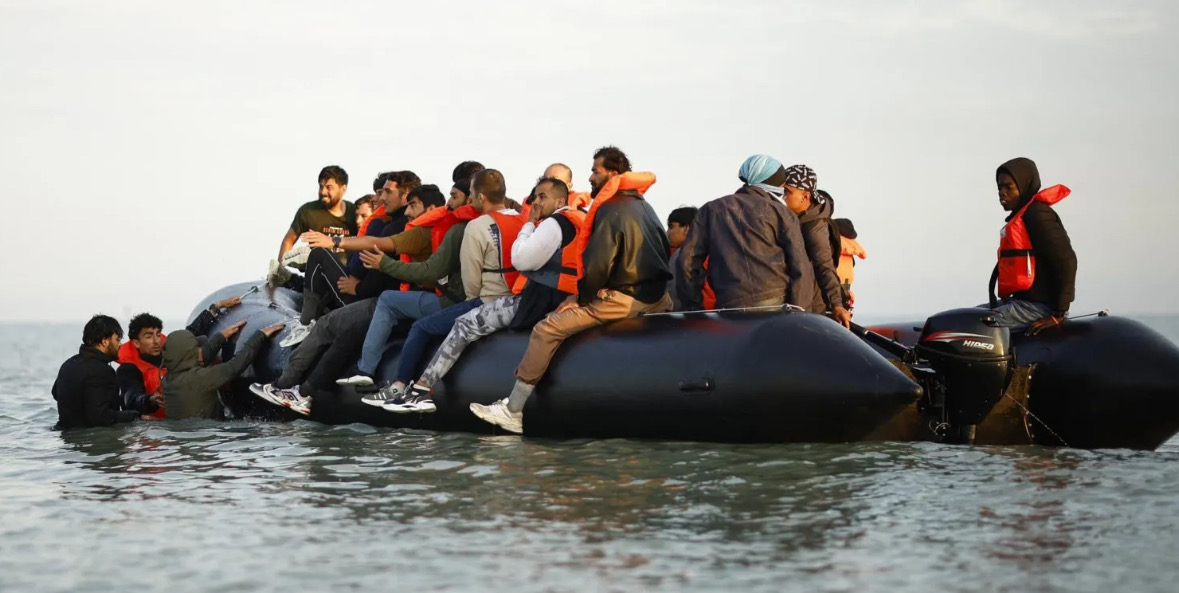
The UK is launching its first-ever people-smuggling sanctions targeting gang leaders, corrupt officials, and businesses fueling the illegal migration trade. The move is part of the government’s intensified efforts to disrupt criminal networks profiting from dangerous Channel crossings.
The initial UK people-smuggling sanctions package—set to be revealed on Wednesday—will name and shame around two dozen individuals and companies involved in smuggling operations. Those named will face asset freezes, travel bans, and restrictions from accessing the UK’s financial systems.
Foreign Secretary David Lammy described the measures as a global first, saying the UK is “ending the status quo” where smugglers prey on vulnerable migrants with impunity. “We are leading, others will follow,” he said.
The sanctions will apply to a wide range of enablers in the smuggling industry, including:
• Gang ringleaders organizing illegal crossings
• Police officers and public officials enabling routes
• Financial middlemen using informal systems like Hawala
• Fake passport dealers and firms supplying small boats
Further sanctions packages are expected to widen the net, but the first list aims to set the tone for long-term disruption of illegal migration networks.
Experts Warn Sanctions May Have Limited Impact
Despite the tough rhetoric, the Migration Advisory Committee expressed skepticism. Deputy chair Dr. Madeleine Sumption said she would be “surprised” if sanctions were a “game changer,” given the massive scale and complexity of the smuggling industry.
“There are so many people involved that targeting individuals is only likely to affect the margins,” she told BBC Radio 4. She added that success will depend on cooperation from countries where smugglers are based.
Labour Government Pledges to ‘Smash’ People-Smuggling Networks
Prime Minister Keir Starmer and Home Secretary Yvette Cooper have made dismantling criminal migration networks a top priority. Cooper called the new regime a “decisive step” that allows authorities to “target the assets and operations of people-smugglers wherever they operate.”
The Home Office says traditional law enforcement methods are often powerless against transnational gangs—making sanctions a crucial tool in cutting off funding and logistics.
But Shadow Home Secretary Chris Philp criticized the plan, saying, “You don’t stop Channel crossings by freezing a few bank accounts in Baghdad or slapping a travel ban on a dinghy dealer in Damascus.”
Channel Crossings Continue to Surge
More than 20,000 people have crossed the Channel in small boats in the first half of 2025—a nearly 50% increase compared to the same period last year, according to official Home Office data.
Refugee Council CEO Enver Solomon welcomed the attempt to disrupt criminal networks but warned that “enforcement alone will not stop dangerous Channel crossings” without legal and safe routes for asylum seekers.
Rising Tensions Amid Migration Debate
The sanctions announcement follows rising public tensions around the UK’s handling of asylum cases. Over the weekend, a protest in Essex outside a hotel housing asylum seekers turned violent after flares and bottles were thrown at police.
Reform UK leader Nigel Farage claimed the unrest reflected “genuinely concerned families,” warning that parts of the country are “close to civil disobedience on a vast scale.”
Earlier this month, the UK signed a “one in, one out” migrant return deal with France, allowing for reciprocal transfers of asylum seekers pending security checks.