
The UK inflation rate unexpectedly rose to 3.6% in June 2025, up from 3.4% in May, according to the Office for National Statistics (ONS). The UK inflation rise, driven primarily by higher fuel and food prices, caught economists off guard, who had forecast inflation to remain steady.
Motor fuel prices dropped less sharply than last year, pushing up the annual rate. Petrol fell by just 0.5p per litre between May and June, compared to a 3p fall in the same period in 2024. Diesel prices also recorded a smaller drop than expected, falling by only 0.6p month-on-month.
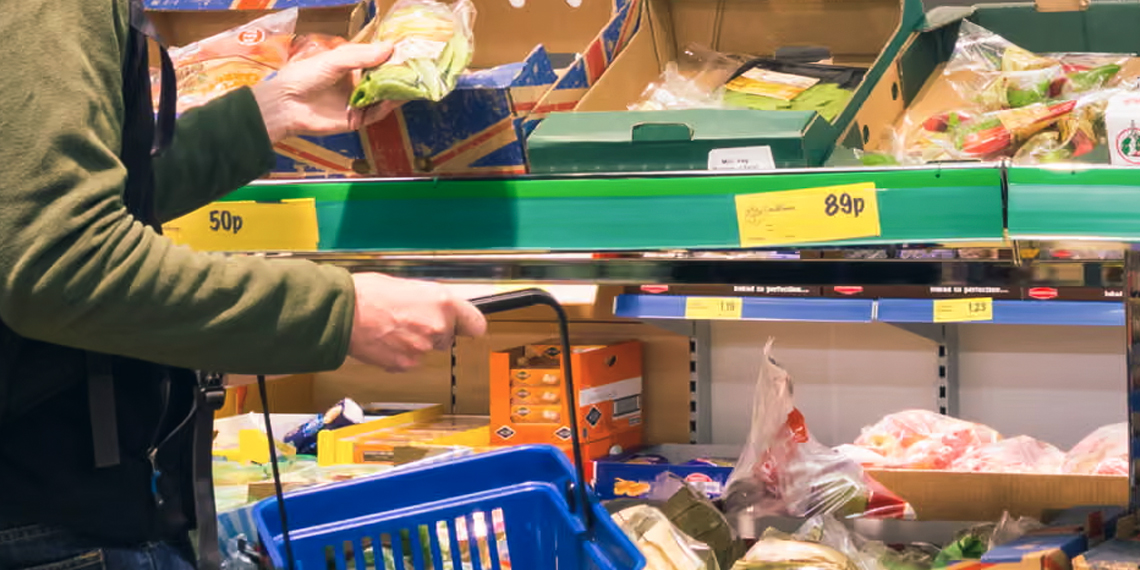
Food and drink inflation surged to 4.5%, the highest since February 2024. Key contributors include price increases in meat, milk, eggs, and cheddar cheese.
Challenge for Rachel Reeves Amid Economic Pressure
Chancellor Rachel Reeves now faces increased scrutiny over Labour’s economic management, especially after two consecutive months of negative growth and public concern over tax hikes. In her Mansion House speech, Reeves promised to reduce bureaucracy to help revive Britain’s economy.
However, economists warn the rising inflation complicates the Bank of England’s approach to interest rate cuts. The Bank has already lowered its base rate to 4.25% in May 2025, but persistent price pressures—especially in services—could delay further reductions.
Services inflation remained stubbornly high at 4.7% in June, mainly due to the biggest June jump in air fares since 2018. Economists had predicted a slight decline to 4.6%.
Households Face Ongoing Cost-of-Living Crisis
The inflation data underlines the continued strain on UK households. The annual rise in water bills, energy prices, and council tax has compounded living costs this year. The Bank of England expects inflation to peak at 3.7% in September—nearly double its 2% target.
Labour’s £25 billion hike in employer national insurance, rolled out in April, has sparked backlash from business groups warning of job cuts and price increases. Shadow Chancellor Mel Stride criticized Labour’s tax policies, saying they add pressure to struggling families.
Reeves acknowledged the difficulties faced by working people and pointed to recent actions, including a rise in the national minimum wage for 3 million workers, the launch of free primary school breakfast clubs, and the continuation of the £3 bus fare cap.
Suren Thiru, chief economist at the Institute of Chartered Accountants in England and Wales, noted that while policymakers may still consider easing rates in August, June’s inflation figures could slow down the pace of future cuts.
