
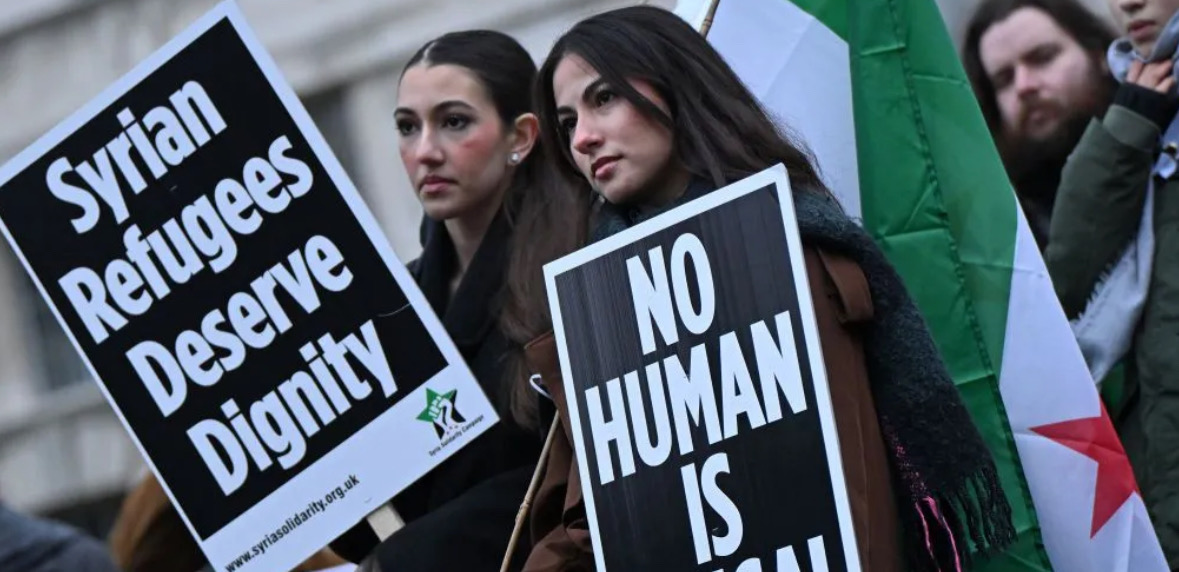
The UK Government has confirmed it will resume processing asylum applications from Syrian nationals, ending a seven-month suspension introduced in response to political upheaval in Syria.
The pause began in December 2024 following the fall of the Assad regime to forces led by the Islamist group Hayat Tahrir al-Sham (HTS). Since then, over 7,000 Syrians have been left in legal limbo, awaiting decisions on their asylum or settlement status in the UK.
Asylum Minister Dame Angela Eagle announced that the Home Office has now issued updated guidance, enabling caseworkers to assess claims with sufficient evidence and legal clarity. This follows months of uncertainty as the UK waited for stable and reliable information to support individual risk assessments.
The newly published Home Office guidance outlines the criteria for evaluating asylum claims in the context of Syria’s shifting political landscape. While reaffirming the UK’s commitment to case-by-case assessments, the document states that instability or conflict alone does not automatically justify protection under the UN Refugee Convention.
Applicants must demonstrate a well-founded fear of persecution or serious harm due to factors such as ethnicity, religion, political opinion, or other protected grounds. The onus remains on the claimant to present sufficient evidence to support their case.
The updated guidance further clarifies that while some groups—such as Kurds living in territories controlled by the Syrian National Army or Alawites linked to the former regime—may still face credible risks, many individuals, including Christians, Druze, and Shia Muslims, are now considered less likely to face persecution from the state or new authorities.
The Home Office also noted that those who fled Syria due to fear of the Assad regime may no longer be at risk solely for that reason, given the regime’s collapse. However, those with specific vulnerabilities or affiliations that place them at risk will still be eligible for protection under UK and international law.
Campaigners have welcomed the move to lift the suspension but warn that Syria remains a volatile and dangerous environment. The Refugee Council has stressed the need for rigorous, individual assessments to ensure no one is returned to harm.
Many Syrians affected by the pause have been living in government-funded accommodation, unable to work or access permanent housing while their claims were frozen. The pause also impacted those who had already been granted refugee status and were awaiting decisions on permanent settlement after five years of residency.
The new guidance acknowledges that while HTS now governs much of Syria and its leader Ahmad al-Sharaa has been installed as interim president, serious human rights concerns persist. For instance, recent attacks against the Alawite community in March resulted in the deaths of an estimated 800 people, allegedly carried out by HTS-affiliated groups.
Foreign Secretary David Lammy recently became the first UK minister to visit Syria since the start of the civil war 14 years ago, meeting with interim president al-Sharaa in a move seen as signalling a cautious diplomatic engagement with the country’s new leadership.
As the UK reopens its asylum procedures for Syrians, ministers face renewed pressure to ensure that refugee protections are upheld while navigating the complex risks posed by Syria’s fragmented political and security environment.