
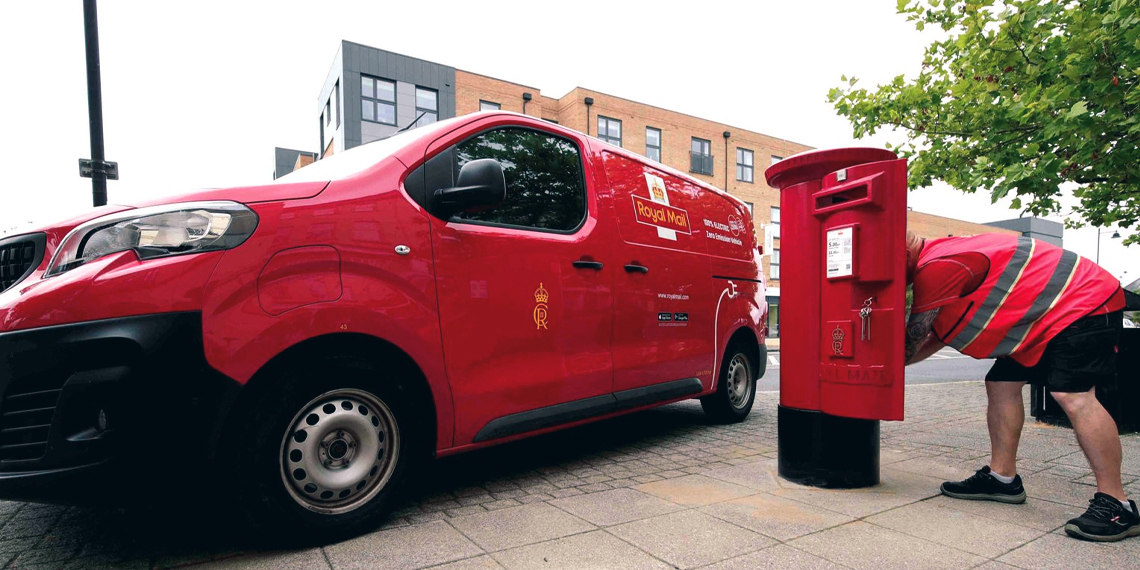
Royal Mail is set to end Saturday second-class letter deliveries, as part of a major shake-up unveiled by UK regulator Ofcom.
From 28 July, the postal service will also be permitted to deliver second-class mail on alternate weekdays, rather than daily, aligning operations with modern usage patterns.
Despite these changes, second-class post will still be required to arrive within three working days (Monday to Friday) of being sent, ensuring a baseline level of service is maintained.
The move comes after Ofcom’s wide-ranging consultation in 2024, prompted by Royal Mail’s ongoing failure to meet its universal service obligations.
Under the new rules, the target for first-class delivery will be eased from 93% next-day delivery to 90%, while the second-class delivery target drops from 98.5% to 95% within three working days.
Royal Mail to Benefit from Cost Savings
The regulator estimates these reforms could generate between £250 million and £425 million in savings, offering a financial lifeline to Royal Mail, now owned by Czech billionaire Daniel Křetínský.
Royal Mail welcomed the announcement, hailing it as a step towards a more efficient and sustainable service. Martin Seidenberg, chief executive of International Distribution Services (Royal Mail’s parent firm), said:
“This is good news for customers across the UK. It supports a reliable, efficient, and financially sustainable universal postal service. These changes follow extensive engagement with thousands of people and businesses, ensuring services reflect how people actually use mail today.”
Concerns Raised Over Service Standards
However, not everyone is convinced. Citizens Advice sharply criticised the decision, warning that scaling back services could do more harm than good. Tom MacInnes, the charity’s director of policy, commented:
“Ofcom has missed a major opportunity for meaningful reform. Slashing delivery standards and reducing service frequency in the name of savings doesn’t guarantee better reliability or higher standards.”
Acknowledging growing frustrations over delays—some letters reportedly taking weeks to arrive—Ofcom has introduced new enforceable rules. Under the updated framework, 99% of mail must not be more than two days late.
Changing Habits and Future Price Reviews
The decision reflects the sharp decline in letter volumes, which have dropped to less than a third of what they were two decades ago, with forecasts suggesting they’ll fall to just 20% of historic levels.
According to Ofcom, affordability and reliability now matter more to the public than speed. In line with these findings, the regulator will also review stamp pricing, with a consultation set for 2026 amid mounting concerns about cost.
A government spokesperson commented: “The public rightly expects a reliable and affordable postal service, with letters arriving on time no matter where in the UK they are sent.”
“These reforms are a response to changing usage, but Royal Mail must now work closely with unions and postal workers to uphold the universal service obligation, including a single price for UK-wide delivery.”
Ofcom has instructed Royal Mail to hold regular meetings with consumer groups and industry stakeholders to monitor the rollout and gather ongoing feedback.