
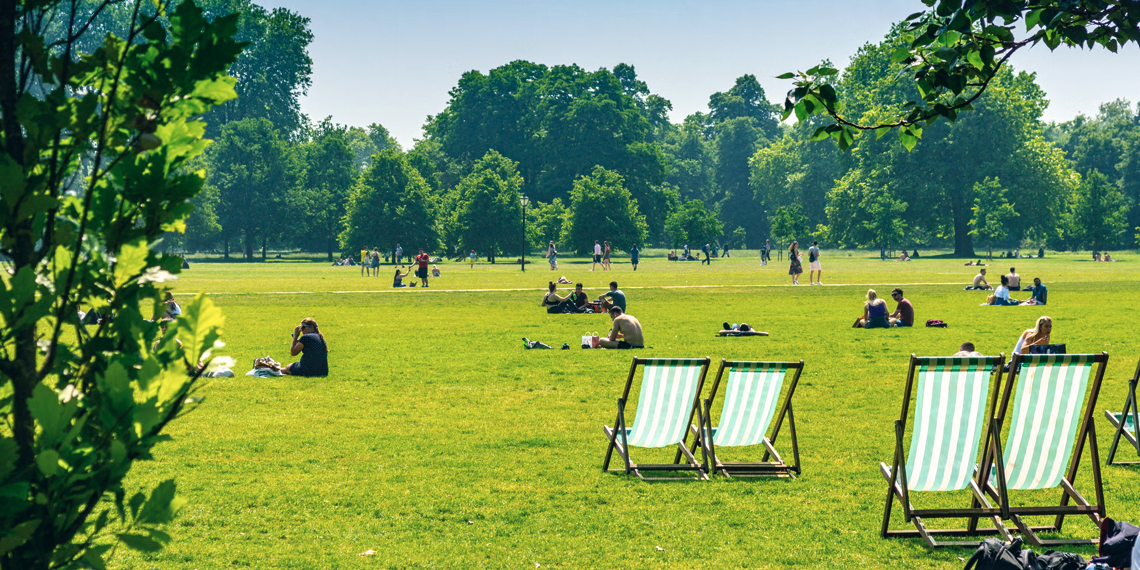
The United Kingdom may be on the verge of another intense heatwave, with temperatures projected to climb toward the 30°C mark from mid-next week into mid-July, according to the Met Office.
Forecasters have indicated that a warming trend will begin in the second half of next week, particularly affecting southern regions and potentially extending nationwide by mid-July. Although precise temperature predictions remain uncertain, weather models suggest a prolonged spell of high temperatures from 12 to 18 July.
This comes on the heels of the UK‘s second hottest June on record, with a peak of 34.7°C recently recorded in St James’s Park, London—surpassing the previous high of 33.2°C in Charlwood, Surrey. These scorching conditions marked the country’s second heatwave in under a month.
The UK Health Security Agency (UKHSA) issued amber heat health alerts for much of the country from 27 June to 2 July, warning of increased pressure on health and social care systems. Such alerts are the second-highest level, signalling significant risks to public well-being.
Following the hot spell, weather patterns shifted, with thunderstorms prompting yellow warnings in northeast England and parts of Scotland, alongside persistent rain in other northern areas. Southern regions remained drier with intermittent sunshine.
A recent Met Office study revealed that the UK is now 20 times more likely to experience temperatures above 40°C than it was in the 1960s. The UK’s first 40°C day was recorded in July 2022, when Coningsby, Lincolnshire, hit 40.3°C during Europe’s hottest summer on record.
Experts warn that these temperature extremes, intensified by human-driven climate change, are likely to become more frequent and severe, with a 50% chance of another 40°C day within the next 12 years. Higher temperatures than those experienced in 2022 are now considered plausible in the current climate, raising urgent concerns over wildfires, infrastructure disruption, and public health.
