
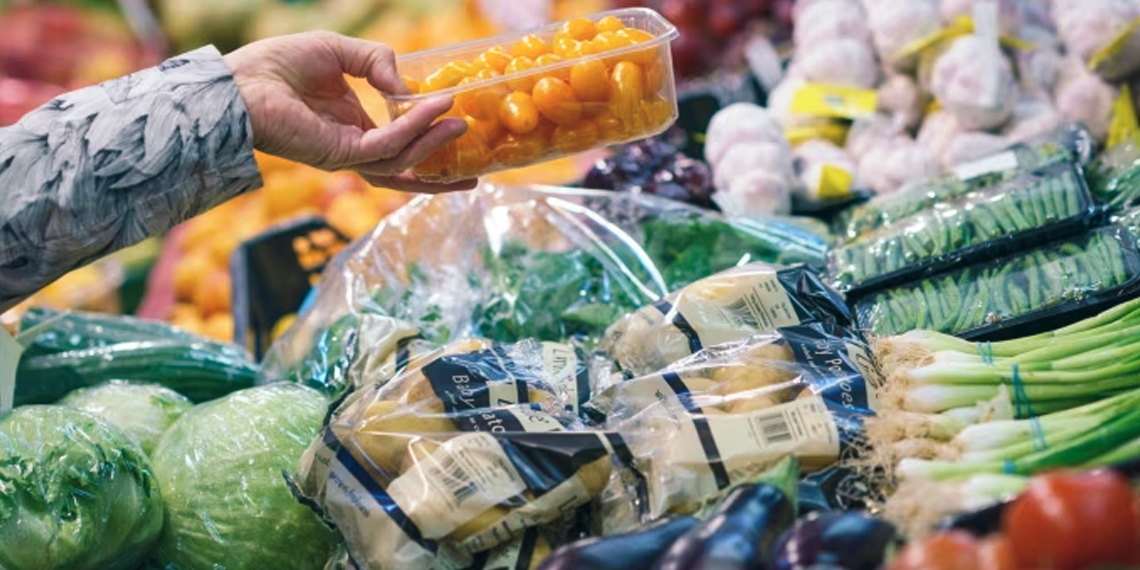
Food inflation in the UK has surged to its highest level in over a year, driven by dry weather affecting fruit and vegetable harvests and escalating supply chain costs, according to the latest data from the British Retail Consortium (BRC).
In June, annual food inflation reached 3.7%, a marked increase from 2.8% in May, and the highest since March 2024. The rise was fuelled by reduced crop yields, with dry conditions placing pressure on British farmers and pushing up retail prices for fresh produce.
Helen Dickinson, chief executive of the BRC, said: “Fruit and vegetable prices rose due to the unusually hot, dry weather which limited harvest yields, while meat prices were impacted by soaring wholesale costs and increased labour expenses.”
The Met Office confirmed spring 2025 as the warmest and sunniest on the UK record, presenting mixed consequences for agriculture. While early heat benefited crops like strawberries and tomatoes, the lack of rainfall severely stressed arable produce such as wheat and barley.
Nigel Jenney, CEO of the Fresh Produce Consortium (FPC), added: “Outdoor farming in the UK is under enormous pressure, and across Europe, extreme weather conditions are also disrupting production. These combined pressures are inflating costs across the food supply chain.”
With the UK importing 65% of its fresh produce, disruptions abroad further add to domestic price volatility. Global food costs have also climbed, with UN FAO data showing a 6% annual increase in May. Dairy prices rose by 21%, while vegetable oil was up 19%.
The BRC’s findings precede the official June UK inflation figures, due on 16 July. So far in 2025, both the BRC and Office for National Statistics (ONS) have recorded a gradual rebound in food price inflation compared to the latter half of 2024.
In May, the ONS highlighted significant monthly price hikes in meat, fish, dairy, and confectionery, contributing to overall food inflation of 3.4%.
The Bank of England has warned that inflation is likely to remain above its 2% target for most of the year, mainly due to stubbornly high energy and food prices. Elevated grocery costs also risk dampening the pace of interest rate cuts, as they heavily influence consumer inflation expectations.
Markets currently anticipate two quarter-point rate cuts by the Bank of England before the end of the year, down from the current base rate of 4.25%.
Within the latest BRC breakdown, fresh food prices climbed by 3.2% year-on-year in June, up from 2.4% in May. Ambient food prices—covering long-life goods like pasta, tinned items and cereals—rose by 4.3%, compared with 3.3% in May.
This uptick in food prices helped drive overall shop price inflation back into positive territory, with a 0.4% annual increase in June after a 0.1% decline in May. Non-food goods, however, continued to deflate, falling 1.2% compared to 1.5% the month prior.
Dickinson warned that retailers are facing a wave of cost pressures, including the April rise in employer National Insurance contributions and the National Living Wage, as well as mounting global instability and climate-related challenges.
“Just three months after the financial impact of last autumn’s Budget began to take effect, shop prices are back in inflationary territory for the first time in nearly a year,” she said.
Mike Watkins, head of retailer insight at NielsenIQ, which co-produces the report, noted that while good weather has temporarily boosted spending, persistent price increases could curb consumer demand later in the year.
