
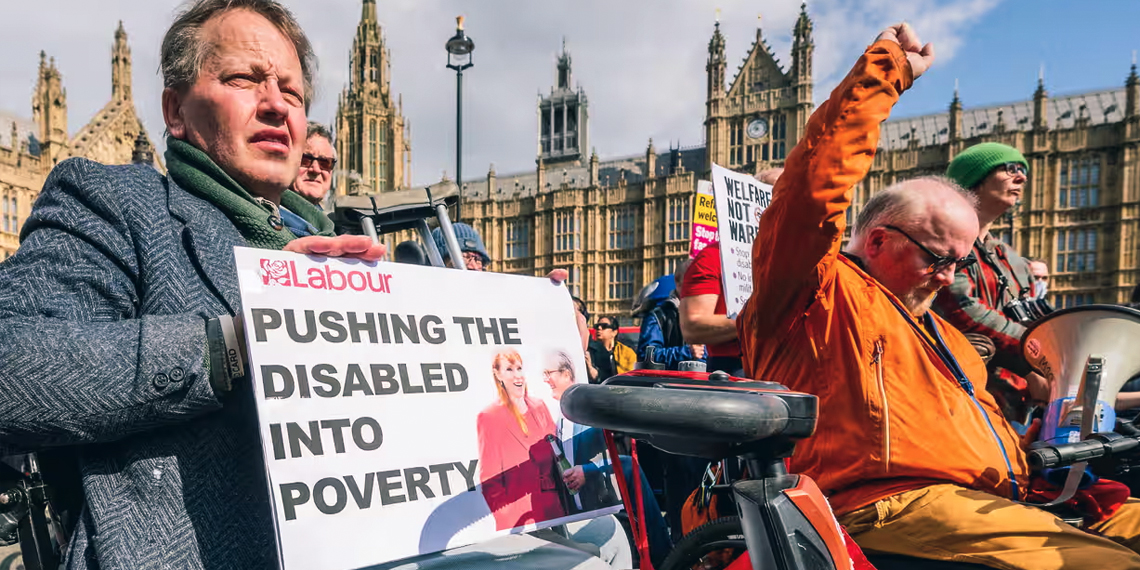
More than 150,000 people in the UK could still be driven into poverty under Labour’s revised welfare reforms, despite key concessions made to calm a significant rebellion from MPs.
The figure comes from the government’s own impact assessment, which was conducted after Downing Street agreed to soften the proposals.
Ministers are preparing to present the final package of changes ahead of a Commons vote on Tuesday. Despite adjustments, around 50 Labour MPs are still expected to vote against the bill.
The new assessment claims there would now be a negligible effect on child poverty, one of the most criticised aspects of the original plans. However, it warns that an additional 150,000 individuals could still fall into relative poverty by 2030 due to measures that will apply to new claimants. Previously, the forecasted number stood at 250,000.
Work and Pensions Secretary Liz Kendall is due to present the revised plans to MPs. Several former rebels, including Treasury select committee chair Meg Hillier, have reportedly changed stance following commitments to exempt existing disability claimants from the changes and to increase the health element of universal credit in line with inflation.
Although the latest concessions will cost the Treasury an extra £3 billion, Number 10 maintains the reforms are vital to control the spiralling welfare bill and overhaul a system they argue is no longer fit for purpose.
Keir Starmer’s spokesperson stated. “The broken welfare system we inherited is failing people every single day. It traps millions. It tells them the only way to get help is to declare they will never work again, and then abandons them with no help, no opportunity no dignity, and we can’t accept that.”
He added that the modelling on poverty impacts was “subject to uncertainty” and does not account for additional investments in health and social care. According to Labour, an extra £1 billion annually by 2030 will support people with disabilities and long-term health issues to access employment, helping them to move into work and gain financial independence.
On concerns that the changes would create a two-tier system by treating current and future claimants differently, the spokesperson said, “It’s not unusual for systems to operate at different levels, but yes, we’re entirely confident it will be legal.”
Some MPs, including former whip Vicky Foxcroft, have indicated they are still unlikely to support the proposals even after the amendments. Party whips are continuing conversations with MPs ahead of the vote, and further concessions have not been ruled out.
The government will also publish terms of reference for a review of Personal Independence Payment (PIP) led by Welfare Minister Stephen Timms. The review will be co-produced with disabled people, their representative organisations, MPs and experts.
Labour confirmed that £300 million in employment support would be brought forward over the next three years. Draft regulations will also be published for the “right to try” scheme, which aims to allow disabled individuals to attempt returning to work without risking their financial support.
Starmer’s spokesperson emphasised this would be genuine co-production, not merely consultation.
“It will be co-produced with disabled people, the organisations that represent them, experts and members of parliament. This approach ensures that the voices of those with lived experience are at the heart of shaping a system that develops better outcomes and better experiences for them.”
