
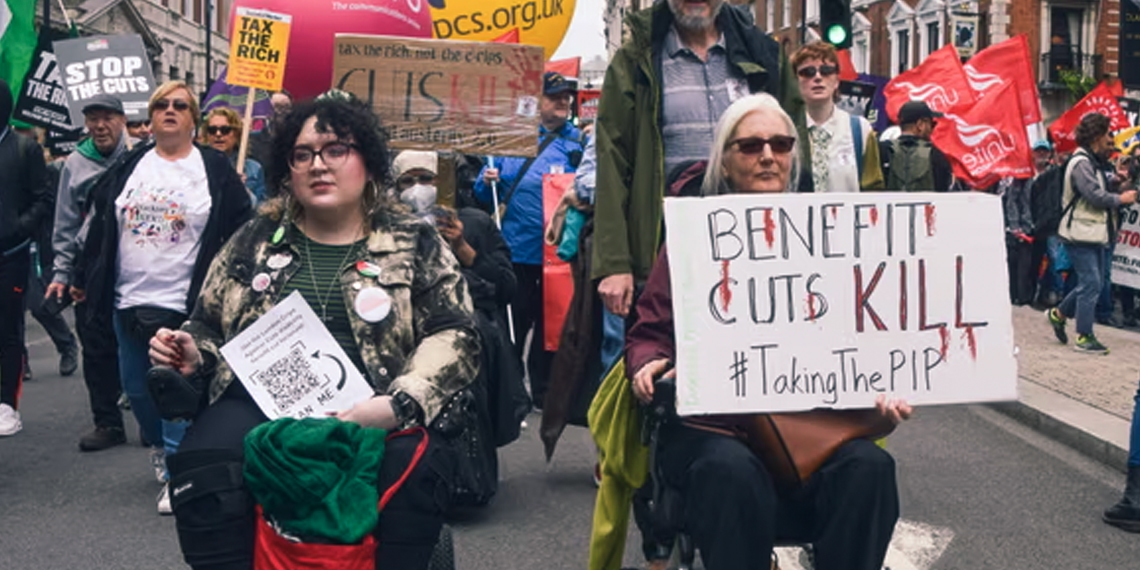
No 10 has announced significant concessions to its welfare reform bill in a bid to head off a revolt by over 120 UK Labour backbenchers, who had threatened to vote it down next week—potentially delivering a bruising first Commons defeat to Prime Minister Keir Starmer.
Liz Kendall, Secretary of State for Work and Pensions, wrote to Labour MPs on Thursday evening outlining a series of amendments reached after 24 hours of intensive talks between senior rebels and government representatives.
As first reported by The Guardian, the compromise proposals include shielding all current recipients of disability benefits from the proposed changes, and uprating the health component of Universal Credit in line with inflation.
Kendall also pledged a more wide-ranging review of the Personal Independence Payment (PIP) system, along with increased investment in return-to-work initiatives. Ruth Curtice, from the Resolution Foundation think tank, estimated the adjustments would cost approximately £3 billion—likely to be funded through tax rises.
In her letter, Kendall wrote: “We have listened to colleagues who support the principle of reform but are concerned about the pace of change and the potential impact on those already relying on the system.”
She continued: “Together, this is a balanced package that will ensure the long-term sustainability of social security, support people into employment, safeguard those unable to work, and ease anxiety for existing claimants. I’m grateful to colleagues for their constructive engagement on these crucial reforms.”
Meg Hillier, Chair of the Treasury Select Committee and a leading figure among the rebels, told BBC Radio 4’s Today programme: “This is a substantial shift for disabled people—that’s the heart of the matter. It’s about supporting the vulnerable.” She added that she had already received messages from constituents who felt reassured by the government’s movement on the issue.
Earlier this week, more than 120 Labour MPs had signed an amendment calling for the bill to be paused indefinitely, citing deep concerns about its effect on disabled claimants. Many were particularly alarmed by the original proposal to cut £5bn by making it harder to access PIP.
Despite Thursday’s concessions, a number of MPs remain opposed to the revised plan, warning it risks creating a “two-tier” welfare system separating current and future claimants.
Labour backbencher Alex Sobel told BBC Two’s Newsnight: “Whether someone acquires a disability at birth, five years ago, or tomorrow, their entitlement should be the same.” His colleague, Nadia Whittome, echoed the sentiment on social media, saying: “These changes don’t go far enough—and should worry all of us. If you become disabled tomorrow, you could still be left without proper support.”
York Central MP Rachael Maskell said: “I, along with many others, cannot support this backroom agreement.”
Nonetheless, it is understood that all select committee chairs who had endorsed the original amendment are now backing the government, signalling that dozens of moderate MPs are likely to follow suit.
Some disability charities have welcomed the changes. Jackie O’Sullivan, Strategy Director at Mencap, said: “It’s the right decision and sends a clear message: plugging holes in the public finances should not come at the expense of disabled people.”
However, the MS Society criticised the move, accusing ministers of “kicking the can down the road” and merely postponing an impending crisis.
Government whips are now confident they have the numbers to see the bill through on Tuesday, having previously faced a near defeat on one of their flagship economic measures.
Health Minister Stephen Kinnock told BBC Breakfast: “I believe the bill will pass its second reading on Tuesday.” He added: “We’re making transformative changes for people on Universal Credit, including the biggest increase in support since the 1980s and ending unnecessary reassessments for those who clearly cannot work—but none of this can happen if the bill fails.”