
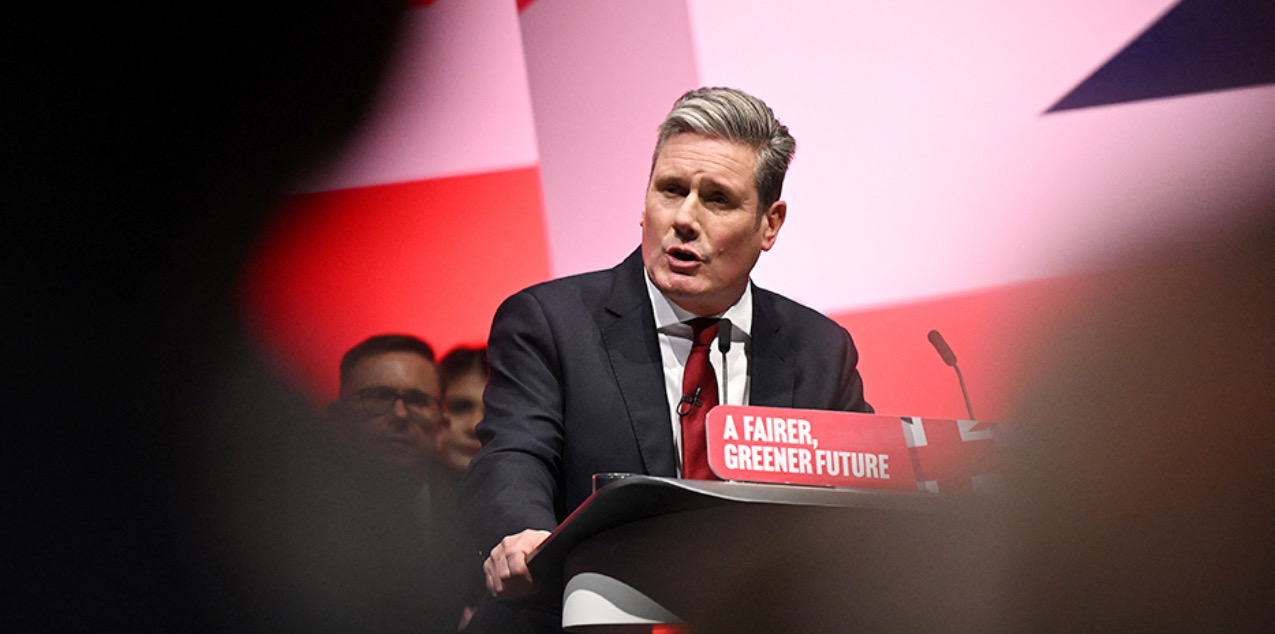
Public confidence in the UK government has dropped to its lowest level on record, according to the British Social Attitudes Survey from NatCen.
Only 12% of respondents believe Labour prioritizes the national interest, while a staggering 46% say they “almost never” do. Among over 4,000 voters sampled, just 19% feel the country is run well enough—this is a sharp fall compared to historical post-election rebounds.
For instance, 33% trusted the government post-Blair’s 1997 win, with only 12% doubting them “almost never” did. Support for “almost never” has surged.
Meanwhile, a record 60% back electoral reform, advocating proportional representation, and 53% now prefer coalition governments over single-party rule. Only 36% favor retaining the current voting system.
These strains—economic stagnation, high cost-of-living, labor-market softness—fuel public anxiety and erode trust. Citizens, struggling with real incomes and under-served public services like the NHS and social care, are pushing for change: electoral system reform and coalition politics.
The drop in trust reflects not just political fatigue, but a deeper unease about where the UK is headed—financially and socially—in a time of continuing global uncertainty.
Why It Matters
Economic policy limits: With inflation sticky and growth sluggish, the government faces limited room to maneuver.
Politics of reform: Growing appeal for smaller parties and coalitions could reshape elections and policymaking.
Public distrust cycle: If economic conditions stagnate, confidence may decline further, pressuring political stability.
