
The UK government has announced a delayed and phased rollout of the Radio Teleswitch Service (RTS) switch-off, amid growing concern that hundreds of thousands of households could face higher energy bills or even lose heating access.
Previously set for 30 June, the nationwide deactivation of the RTS—a legacy system managing older electricity meters—will now be staggered, starting with only 600 homes over three weeks. The decision follows mounting pressure from consumer groups and reports of widespread technical issues with meter replacements.
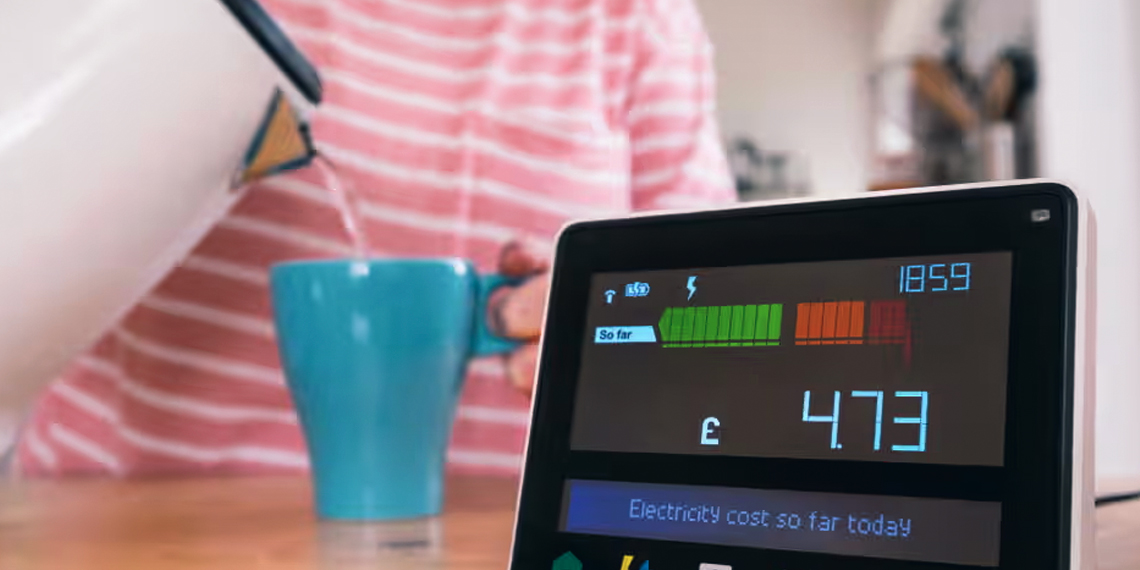
The RTS, introduced in the 1980s, allows energy suppliers to remotely control heating and water systems via long-wave radio. With the system due for decommissioning, customers are being urged to switch to smart meters, but some households report connectivity problems, failed installations, or increased energy costs following the change.
Households Warned of Unexpected Bill Increases
Energy users who rely on cheaper night tariffs for storage or immersion heating have been particularly vulnerable. One customer, Bryan Jones from Cornwall, described the transition to a smart meter as “one of the worst financial decisions” he’s ever made, citing inaccurate charges and technical malfunctions.
Despite suppliers offering compensation and assurances, many households are still waiting for functional replacements. Some, like a couple in West Sussex, say poor signal strength has prevented smart meter installations for over a year.
Industry and Regulators Respond
Energy UK, the industry trade body, says technical solutions—including pre-programmed smart meters—are now available for all homes. Customers previously told they couldn’t switch should recontact their suppliers.
Ofgem, Britain’s energy regulator, insists that no customer should be financially worse off due to the meter upgrade. It has demanded suppliers offer the same or equivalent tariffs and is pushing for faster replacement rates, currently at 1,800 meters per day.
Charlotte Friel, Ofgem’s director of retail pricing and systems, said the cautious approach should “reassure customers” but stressed the urgency of the switch. Government ministers, Ofgem, and Energy UK will meet biweekly to monitor the transition, with a special focus on Scotland—home to a third of all remaining RTS meters.
Campaigners Demand Transparency
Simon Francis of the End Fuel Poverty Coalition criticised the unrealistic deadline and called for a transparent timetable showing which regions will be affected and when. He warned that without strong protections, vulnerable households could face loss of service or soaring bills.
Consumer groups are urging the government and energy firms to commit to firm guarantees that no customer will lose access to heating or hot water, or be charged more as a result of the meter upgrade.
