
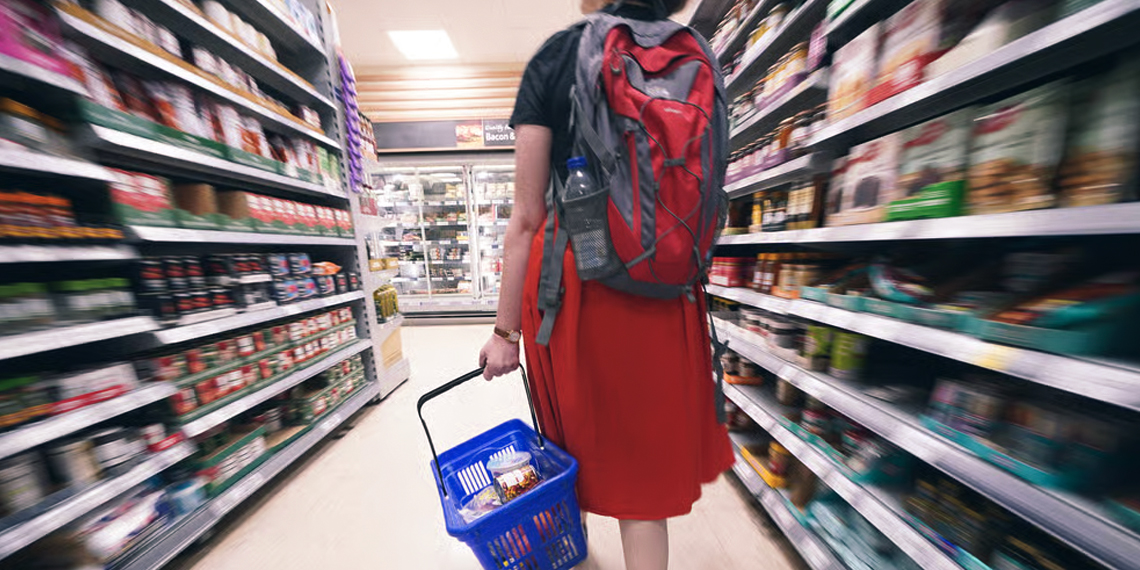
Grocery prices in the UK have surged by 4.7% year-on-year, marking the highest level of supermarket inflation since March 2024, according to new data from market analysts Kantar.
The latest rise in food inflation follows a steady climb in recent months, up from 4.1% in May and 3.8% in April, reflecting persistent cost pressures across the retail sector.
Despite the increase in prices, British shoppers made a record 490 million supermarket trips in the four weeks to 15 June—an average of nearly 17 visits per household, the highest volume recorded by Kantar since the early days of the pandemic in March 2020.
More Frequent Trips, But Smaller Baskets
While footfall has grown, the average spend per visit dipped slightly, falling by 3p to £23.89, suggesting that shoppers are visiting stores more often but buying less per trip.
Total take-home grocery sales rose 4.1% year-on-year during the same four-week period, driven in part by the warmer weather and seasonal shopping trends.
Summer Fruit Surge and Changing Eating Habits
With summer temperatures on the rise, the nation’s love for fruit flourished: 2,400 packs of strawberries were sold every minute, and sales of more exotic choices soared, with mango purchases up 27% and blueberries increasing by 10%.
However, overall grocery volumes declined by 0.4%, the first drop this year. Analysts at Kantar suggest this may be partially linked to the growing popularity of GLP-1 weight loss medications, which are beginning to influence consumer habits at the till.
Fraser McKevitt, Head of Retail and Consumer Insight at Kantar, noted: “Supermarkets are entering uncharted territory as weight-loss drugs become more common. Around 4% of households now include a GLP-1 user—almost double last year’s figure.”
“Four in five users say they’re cutting back on chocolates and crisps, and nearly three-quarters intend to buy fewer biscuits. It’s a trend the industry can’t afford to ignore.”
Shoppers Turn to Own-Label Products Amid Price Pressures
Amid persistent concerns over rising costs, shoppers are favouring supermarket own-label ranges, which saw a 4.2% sales increase, outpacing branded goods. Consumers continue to seek value as inflation remains elevated across key staples.
Market Share Shifts: Ocado and Lidl Outperform
Ocado emerged as the fastest-growing grocery retailer, with sales up 12.2% in the 12 weeks to 15 June, raising its market share to 1.9%.
Lidl led growth among physical supermarkets, posting an 11.2% rise in sales, achieving double-digit growth for the third month running, and claiming 8.1% of the market. Aldi followed closely with a 6.5% sales boost, expanding its share to 10.9%.
Tesco recorded the largest market share gain, up 0.5 percentage points to 28.1%, maintaining its position as the UK’s dominant grocer.
In contrast, Asda’s sales fell by 1.7%, reducing its share to 11.9%, as the retailer continues to face challenges amid growing competition from discounters and digital players.