
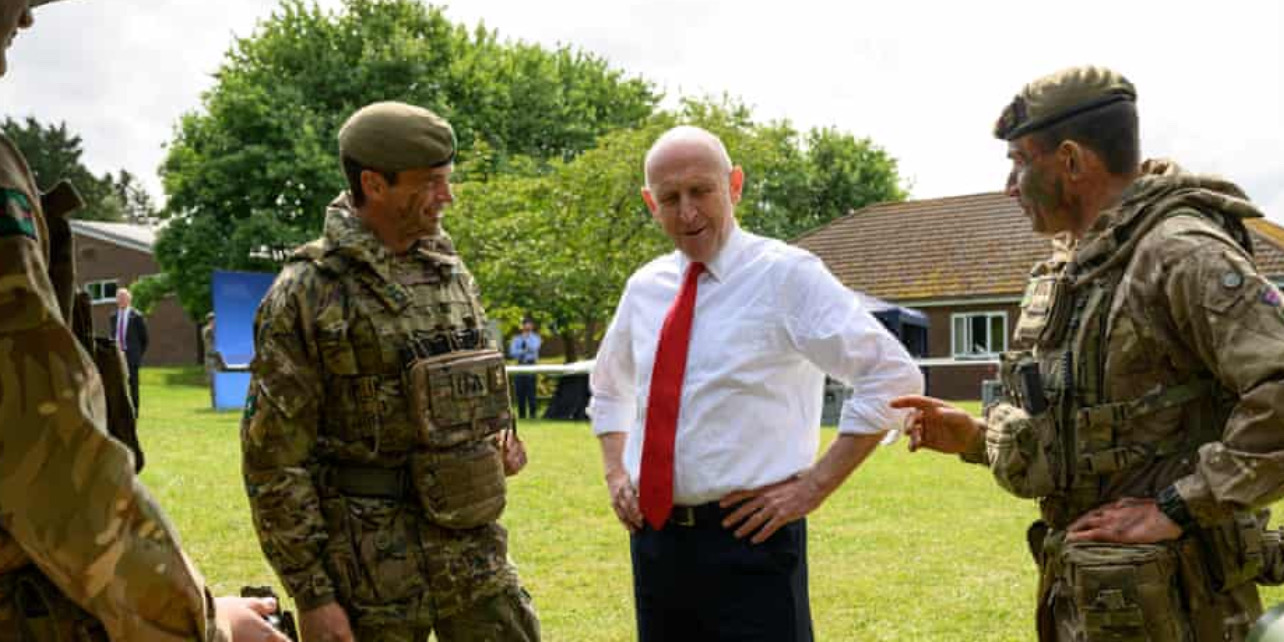
UK Defence Secretary John Healey has admitted that long-standing gagging policies preventing members of the armed forces from speaking to the media or Members of Parliament without prior authorisation were unlawful. The concession comes after a legal challenge from two female service members, who allege they were raped while serving in the Royal Air Force (RAF) and Royal Navy.
The women, legally identified as EPX and PGH, argued that the Ministry of Defence (MoD) policies violated their freedom of expression and enabled a culture of silence around sexual assault in the military. They claimed the restrictions stopped them from publicly discussing their traumatic experiences and how their complaints were mishandled.
Policies Silenced Victims and Protected Abusers
In a statement to the High Court, PGH described how the policy created an environment where perpetrators “feel protected” and could rely on colleagues to cover up sexual violence. The restrictive regulations, she said, reinforced a toxic culture of secrecy within the armed forces.
The MoD initially attempted to dismiss the legal case, citing a relaxed policy implemented earlier this year. However, High Court Judge Mr Justice Saini ruled that the department must be held accountable for the consequences of the previous rules. Following this, the MoD formally accepted in writing that the gagging policy was incompatible with military personnel’s rights under UK law.
Shocking Personal Accounts of Military Abuse
EPX alleged that she was raped during RAF training and later ostracised after filing a complaint. Her accused attacker was acquitted in a military trial she described as “poorly handled”. PGH reported being raped at a navy base social event, stating she was coerced with alcohol and later dismissed by military police who made “excuses for the accused”.
Despite a 2021 parliamentary inquiry revealing that two-thirds of women in the armed forces have faced bullying or sexual harassment, EPX was barred from discussing her case publicly due to the gagging order. She said the idea of requesting permission to speak filled her with “dread” and fear of her personal information being mishandled.
Legal Action Continues Over Press and Parliamentary Rights
Both women intend to continue their legal challenge, arguing that current MoD policies still fail to guarantee the right to speak to the press or Parliament about sexual abuse and misconduct.
Emma Norton of the Centre for Military Justice, representing the two women, clarified they are not seeking to discuss classified material but are instead fighting for the right to speak about “rape, sexual assault, misogyny, and harassment”—issues that have no place in any workplace.
Rising Concern Over Military Sexual Abuse Culture
Allegations of sexual misconduct continue to mount within the UK military. The issue gained renewed attention following the suicide of 19-year-old gunner Jaysley Beck, who was allegedly sexually assaulted and harassed before her death. The tragedy sparked an outpouring of testimonies from other victims across online platforms.
A spokesperson for the Ministry of Defence stated, “The welfare of all our Armed Forces personnel is an absolute priority. Relevant policies have been amended to recognise the rights of our people.” They added that further comment was inappropriate due to ongoing legal proceedings.
