
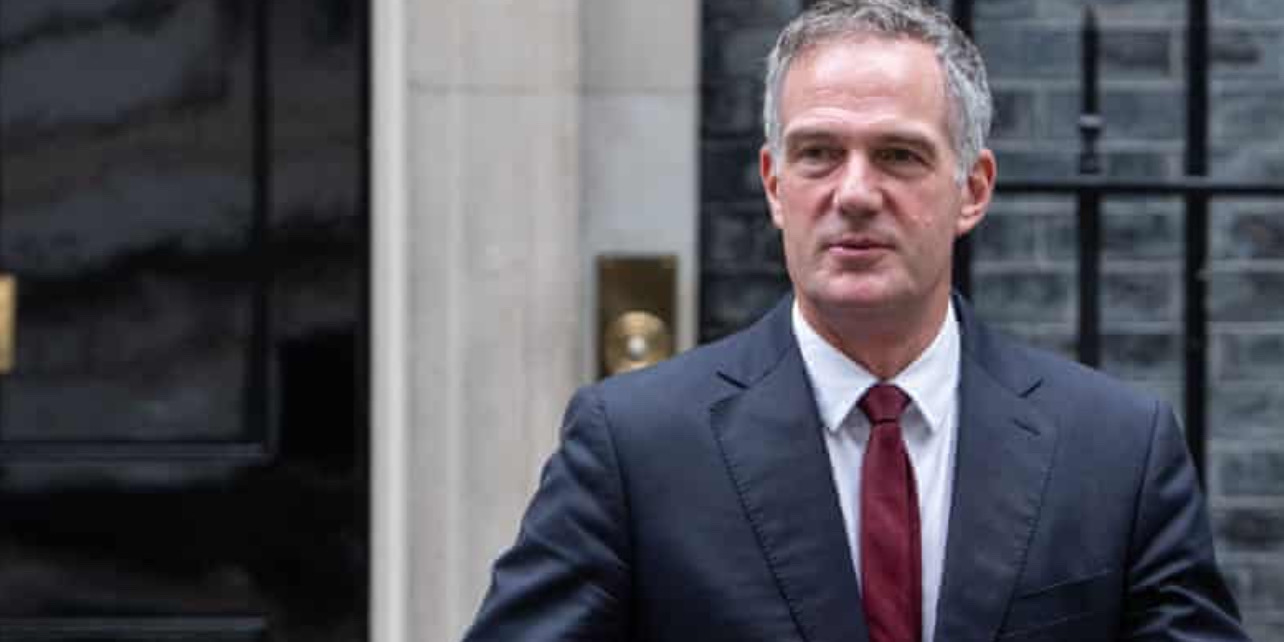
The UK’s Technology Secretary Peter Kyle has urged the workforce to shift from fearing artificial intelligence (AI) to embracing it, warning that those who fail to adapt risk being left behind. With major firms such as Google, Amazon, and BT supporting a nationwide upskilling initiative, the UK government aims to train 7.5 million workers in AI by 2030.
Speaking after meetings with tech industry leaders, Kyle said many workers initially approach AI with hesitation. However, he believes this fear quickly transforms into enthusiasm once people understand the technology. “Once they start using AI, it turns to exhilaration,” he noted, adding that using tools like ChatGPT is easier and more rewarding than many expect.
He emphasised that AI training doesn’t require complex scientific knowledge. “People don’t need to get trained in quantum physics. They need to understand how AI works, how to interact with it, and how it can enhance their roles at work,” Kyle said.
Generational Divide in AI Usage Can Be Bridged in Hours
A significant generational gap in AI usage exists, with over-55s using AI tools half as much as those over 35. But Kyle believes this divide can be closed with as little as two and a half hours of targeted training. “Everyone currently in employment is capable of learning the skills needed to thrive in an AI-driven economy,” he stated.
Starmer and Global Trends Highlight Public Concerns
Prime Minister Keir Starmer acknowledged public scepticism around AI during London Tech Week. He promised that the government will demonstrate how AI can create wealth, jobs, and improve public services. However, polling data shows people in the UK, US, Australia, and Canada are more concerned about AI’s impact than those in large EU economies.
Mixed Outlook: Threats and Opportunities
The Organisation for Economic Co-operation and Development (OECD) warns AI could cause job losses in skilled professions like law and finance. The International Monetary Fund (IMF) estimates 60% of jobs in advanced economies are exposed to AI, with half potentially negatively affected. However, the Tony Blair Institute argues that while some roles may disappear, new jobs will emerge as AI adoption expands.
Copyright Debate Settled as Data Bill Passes
Kyle also addressed the recent debate over AI and copyright. After facing opposition in the House of Lords, the data bill has now passed without further amendments on copyright issues. He promised a “reset” in the government’s approach, balancing creative rights with innovation. “We must ensure creatives are fairly rewarded in the digital age, while partnering with the AI industry for future growth,” he said.
