
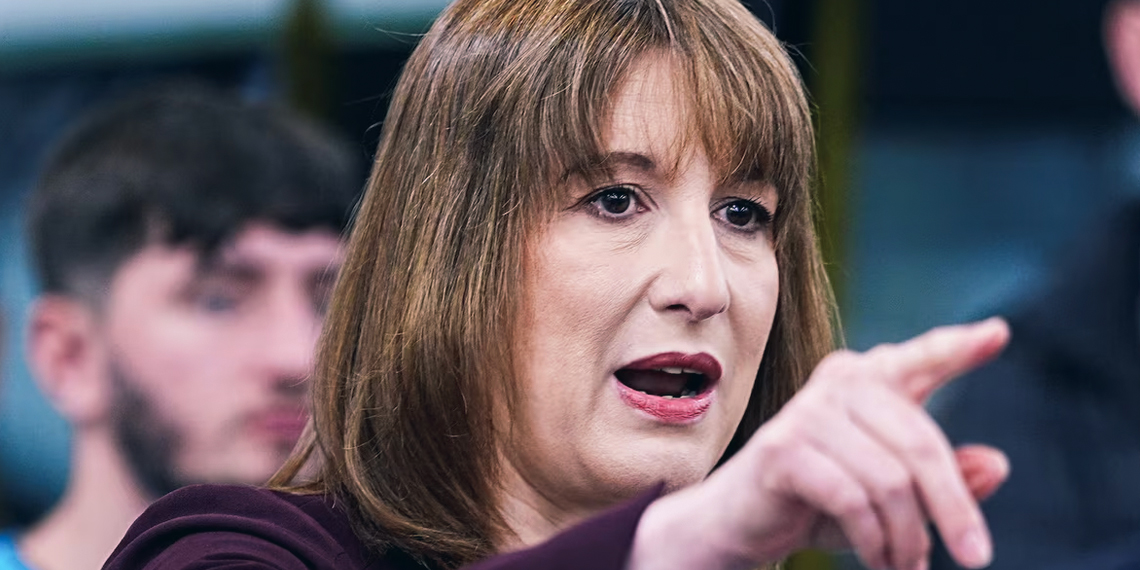
The UK government will end the use of hotels for asylum seekers before the next general election in 2029, Finance Minister Rachel Reeves confirmed on Wednesday, outlining a move aimed at cutting public spending and easing pressure on local communities.
In a speech detailing long-term fiscal plans, Reeves announced that housing asylum seekers in hotels—currently costing the government £3.1 billion annually—would be phased out during the current parliamentary term. Ending the practice is projected to save the public purse around £1 billion per year.
“We will be ending the costly use of hotels to house asylum seekers in this parliament,” Reeves said, reaffirming Labour’s commitment to overhauling the UK’s asylum accommodation system.
Thousands of migrants arrive annually on England’s southern shores, often via small boats. With processing backlogs and limited housing capacity, many have been placed in hotels across the country, sparking public concern over costs, tourism impacts, and local opposition.
Reeves explained that the reduction in hotel use would be achieved by streamlining the asylum system—investing in resources to clear backlogs, accelerate appeal hearings, and deport individuals who do not meet asylum criteria.
The Labour Party previously vowed to end the hotel policy ahead of the 2024 general election but had not set a firm timeline. Reeves’ statement now anchors that goal to 2029, aligning with the current parliamentary term.
The pledge comes amid increasing scrutiny over the UK’s immigration policy and rising demand for more sustainable and community-friendly solutions to asylum processing.
