
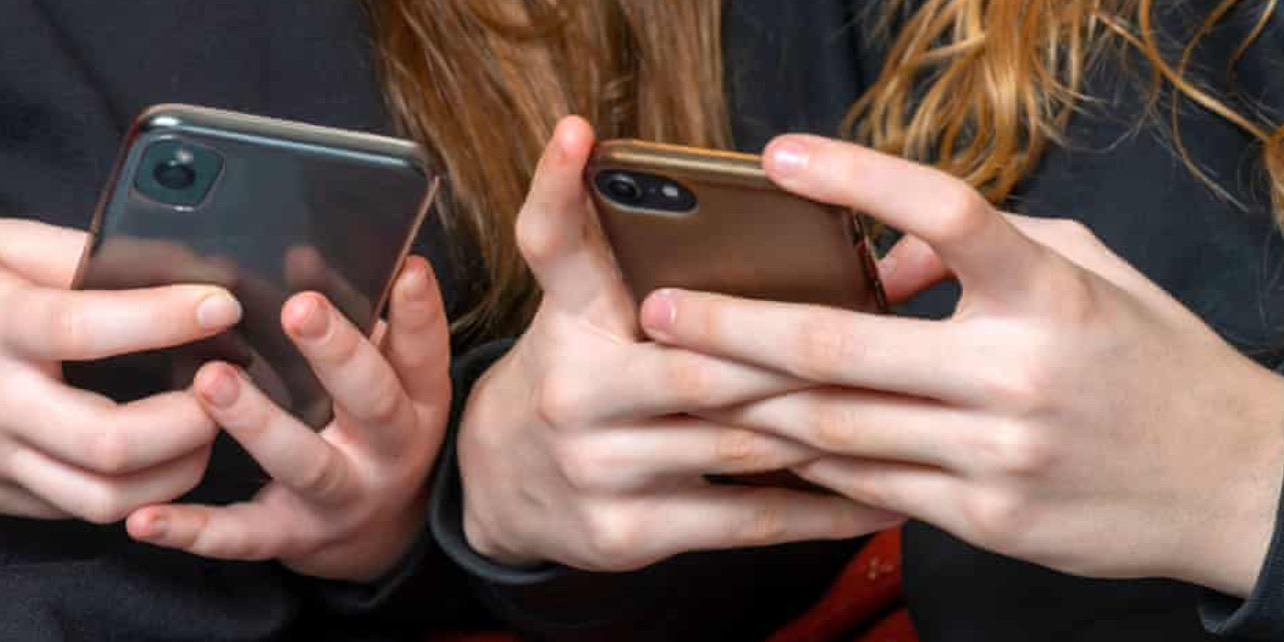
Ministers are considering introducing social media app curfews to tackle rising addiction among children, according to Technology Secretary Peter Kyle. As concerns mount over excessive smartphone use by young people, the government is weighing new restrictions such as two-hour daily limits or bans on access after 10pm and during school hours.
Kyle, whose department leads on online safety, said his aim was to foster healthier digital habits and reduce the negative effects of screen addiction. Speaking on the BBC’s Sunday with Laura Kuenssberg, he said: “I’m looking at some of the addictive nature of these apps and trying to find ways to disrupt that behaviour. We want children to develop positively online, not get trapped in unhealthy patterns.”
The measures could be part of broader reforms to the UK’s Online Safety Act, which already requires platforms to remove illegal content and enforce age-appropriate materials by July. Kyle hinted at stronger legislation if necessary, warning platforms that failure to comply may result in criminal sanctions.
While Kyle ruled out a blanket social media ban for under-16s—saying it’s “not on the cards”—he stressed that all options remain open. Previous proposals to raise the digital age of consent from 13 to 16 were scaled back, but a commitment to further research remains in place.
A recent YouGov survey of children aged 8 to 15, commissioned by the Children’s Commissioner, revealed that nearly a quarter spend over four hours daily on internet-enabled devices. Another 45% use devices between two and four hours a day, raising alarm among parents and educators.
Education Secretary Bridget Phillipson is also reviewing the impact of smartphone bans in schools, a move supported by the National Education Union. Current guidance advises against phone use during the school day but leaves enforcement to individual schools.
Amid growing concern, parent-led initiatives such as the Smartphone Free Childhood campaign have emerged, urging families to delay giving children smartphones or social media access until age 16.
With digital well-being now a priority, ministers are seeking to balance innovation with protection—especially for the most vulnerable.
